Culture & Entertainment · India Bureau
Nepal flood victims mourned through symbolic cremations as search efforts stall
Families in Nepal's flood-ravaged districts have turned to traditional rituals, cremating kusha grass effigies in place of missing loved ones as hopes of recovery fade. Over a hundred symbolic cremations have been performed at sacred sites across the Kathmandu Valley.
LSN India ·
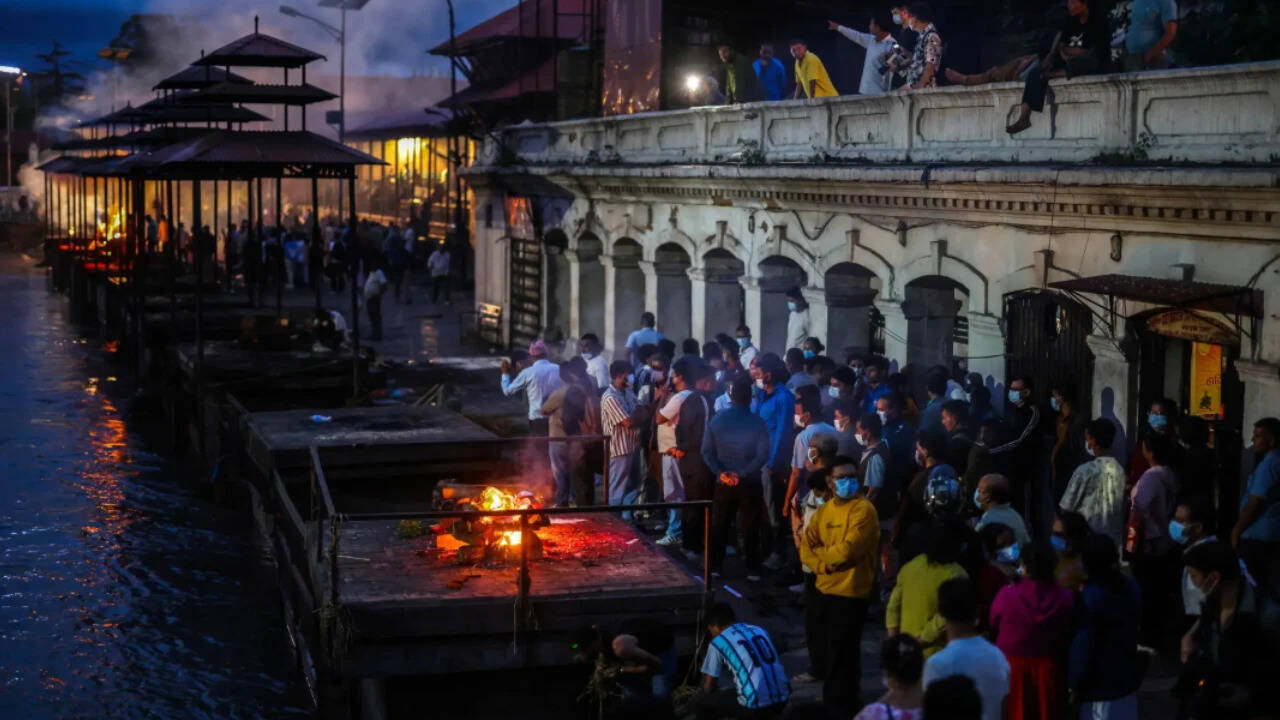
Grief-stricken relatives in Nuwakot and Rasuwa districts have begun performing traditional cremations for flood victims whose bodies remain unrecovered, underscoring the mounting toll of the disaster. With extensive search operations yielding limited results, families have resorted to ancient Hindu customs, using effigies woven from kusha grass to represent their missing kin in funeral rites.
Priests have guided bereaved families through these sacred rituals, meant to provide spiritual closure and aid in the liberation of souls according to Hindu tradition. The symbolic cremations represent a poignant response to the challenges faced by rescue teams in locating and recovering bodies swept away by floodwaters across difficult terrain.
At Kathmandu's Pashupati Aryaghat, one of Nepal's holiest cremation sites, more than one hundred grass effigies have been consigned to the funeral pyres in recent days. The ritual cremations serve as both a spiritual observance and a public acknowledgment of the lives lost in the flooding, providing grieving families an opportunity to perform final rites despite the absence of physical remains.
The disaster has left scores of people missing across multiple districts, with search and rescue operations continuing to face obstacles due to damaged infrastructure and challenging geography. The reliance on symbolic cremations highlights the scale of the humanitarian crisis and the emotional toll on communities still grappling with the flood's aftermath.