World · World News Bureau
Nepal floods expose gaps in cross-border early warning systems
Recent flooding in Nepal has highlighted critical deficiencies in regional alert mechanisms, raising urgent questions about disaster preparedness across the Himalayan region. Experts warn that improved international coordination for weather monitoring and flood warnings has become essential.
LSN World News ·
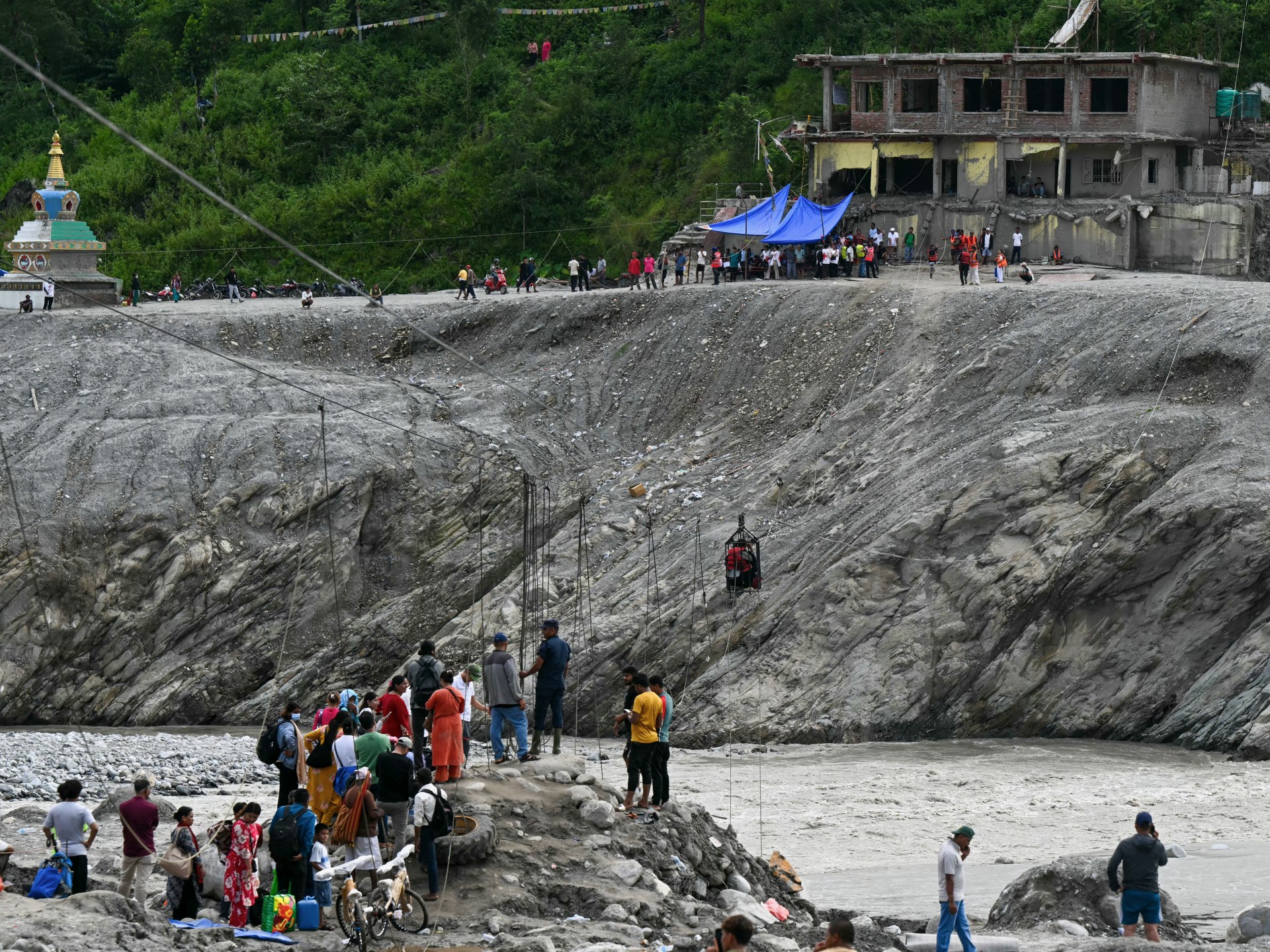
The floods that devastated parts of Nepal have triggered a broader examination of how countries in South Asia prepare for and communicate about natural disasters originating in mountain regions. Officials and disaster management specialists say the event underscores a troubling reality: cross-border warning systems remain inadequate despite the region's vulnerability to climate-related hazards.
Hydromet experts point out that mountain-sourced floods often affect downstream communities in neighboring countries within hours, leaving limited time for evacuation and emergency response. The Nepal incident revealed communication gaps between upstream and downstream nations, suggesting that information about rising water levels and weather patterns is not consistently or rapidly shared across borders.
Scientists emphasize that the Himalayan mountain range, with its complex geography and unpredictable weather patterns, demands a coordinated regional approach to early warning systems. Currently, each nation operates largely independent monitoring networks, creating vulnerabilities when disaster events span multiple countries.
Regional governments and international organizations are now examining frameworks for real-time data sharing and synchronized alert protocols. Experts stress that without such cooperation, vulnerable populations in low-lying areas remain at significant risk, particularly as climate patterns become increasingly unpredictable.