World · India Bureau
Nepal floods intensify scrutiny of China's upstream dam projects
Devastating floods in Nepal have reignited concerns about Beijing's hydroelectric dam construction along shared river systems in the Himalayas. The disaster underscores regional anxieties over transboundary water management and climate vulnerability.
LSN India ·
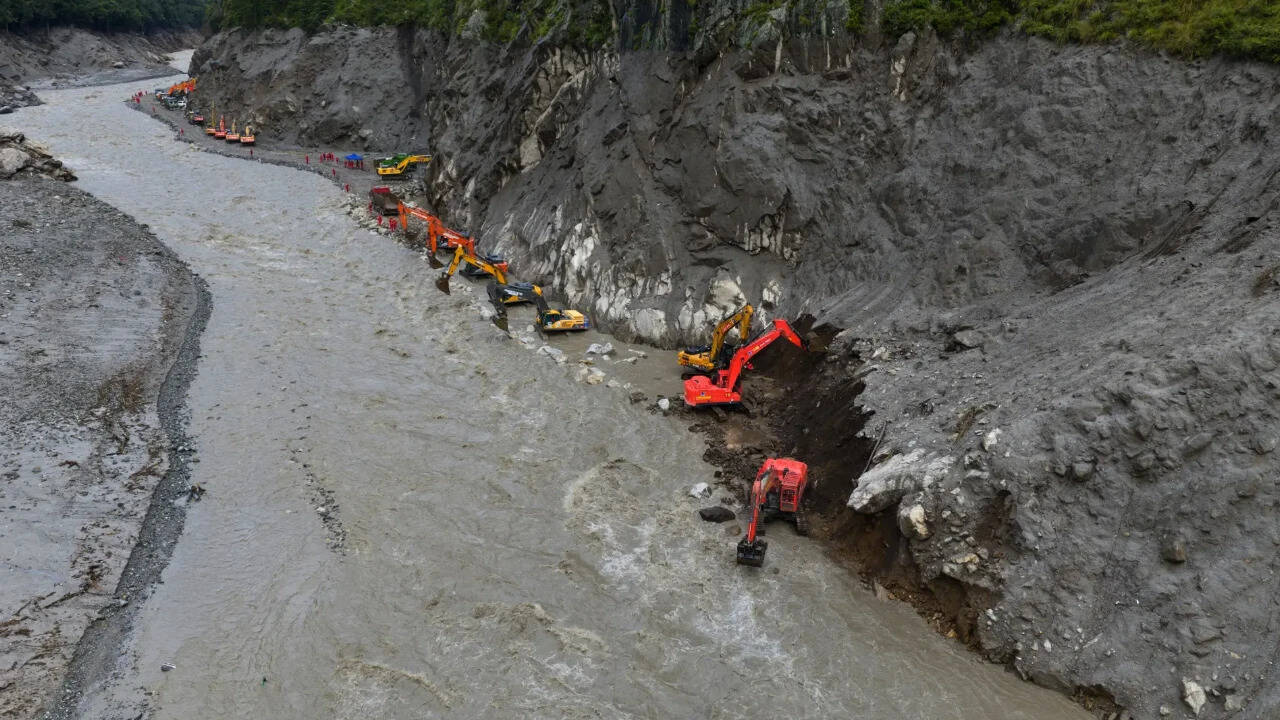
Severe flooding across Nepal has claimed dozens of lives and displaced thousands, prompting fresh questions about infrastructure development practices in the Himalayan region. The disaster has drawn attention to multiple hydroelectric projects under construction or operation along rivers that originate in Tibet and flow through Nepal, many backed by Chinese investment and technical expertise.
Nepal shares several major river systems with China, including the Koshi, Gandak, and Karnali rivers. While hydroelectric dams promise clean energy and flood management benefits, downstream nations like Nepal worry about the environmental and safety implications of large-scale dam construction in tectonically sensitive mountainous terrain. Engineers and hydrologists have flagged concerns that upstream dams could alter natural water flow patterns during monsoon seasons, potentially exacerbating flood risks.
China has significantly expanded its infrastructure footprint across the Himalayan region in recent years, with the Belt and Road Initiative financing numerous energy projects. However, critics argue that transboundary water management protocols remain inadequate, with limited information sharing between Beijing and Kathmandu regarding dam operations during extreme weather events.
The Nepal floods have intensified calls from regional analysts and civil society groups for stronger multilateral frameworks governing shared river systems. Officials and experts stress the need for enhanced early-warning systems, coordinated dam management protocols, and greater transparency in upstream infrastructure development to mitigate disaster risks for downstream populations.