World · Singapore Bureau
Nepal glacier collapse posed prediction challenge, experts say
Disaster specialists have attributed the difficulty in forecasting Nepal's recent glacier collapse to the resource-intensive monitoring required across mountainous terrain. Predicting such catastrophic events demands extensive surveillance infrastructure that remains beyond current capabilities in the region.
LSN Singapore ·
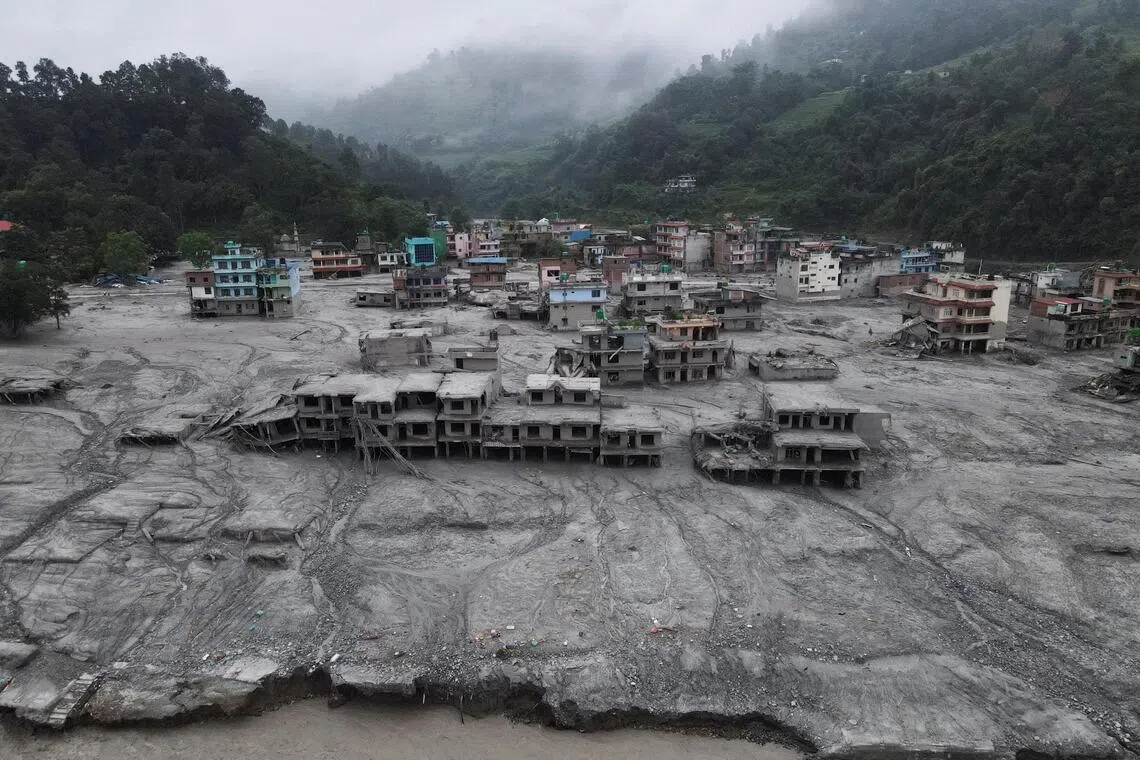
Experts investigating Nepal's glacier disaster have highlighted the inherent challenges in predicting such sudden natural catastrophes, pointing to the vast geographical areas and intensive monitoring systems required to detect warning signs.
The collapse, which occurred in the Himalayan region, underscores the limitations of current early-warning mechanisms in mountainous terrain. Disaster management specialists note that forecasting glacier-related events would necessitate comprehensive surveillance networks spread across extensive high-altitude zones, requiring substantial financial and technical resources.
The difficulty in prediction stems partly from the complex geological and meteorological factors that trigger glacier failures. Temperature fluctuations, precipitation patterns, and structural stress within ice masses interact in ways that remain unpredictable despite advancing scientific knowledge.
Authorities in Nepal have acknowledged these constraints while emphasizing the need for improved monitoring systems. The incident has prompted regional disaster management agencies to reassess early-warning protocols and consider enhanced surveillance technologies for high-risk glacial areas across South Asia.
Experts recommend prioritizing community preparedness and evacuation procedures in glacier-adjacent regions, given the unpredictability of such events. Enhanced coordination between meteorological services and local authorities is seen as crucial for mitigating risks in vulnerable mountain communities.