World · Bangladesh Bureau
Nepal's deadliest natural disasters: A history of devastating loss
Nepal has endured some of South Asia's most catastrophic natural disasters, from earthquakes and floods to landslides that have claimed thousands of lives. Understanding this tragic history is essential for comprehending the region's vulnerability to natural hazards.
LSN Bangladesh ·
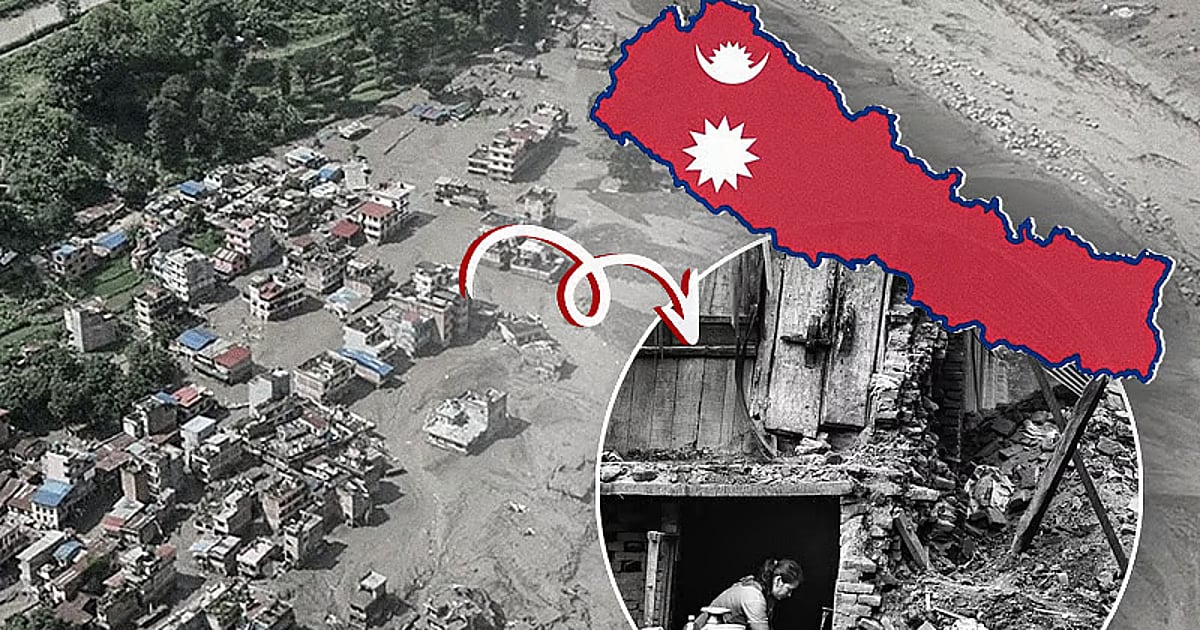
Nestled in the Himalayan region, Nepal faces persistent threats from multiple natural disasters due to its mountainous terrain, monsoon climate, and position along major seismic fault lines. The country's vulnerability has been demonstrated repeatedly throughout its modern history, with disasters causing immense loss of life, displacement, and economic damage.
The 2015 earthquake stands as one of Nepal's most catastrophic natural disasters in recent memory, with a magnitude of 7.8 triggering widespread destruction across the Kathmandu Valley and surrounding regions. Thousands perished in the initial quake and subsequent aftershocks, while countless homes, temples, and infrastructure were reduced to rubble. The disaster exposed the country's limited disaster preparedness capabilities and highlighted the urgent need for improved building codes and early warning systems.
Beyond seismic events, Nepal regularly confronts devastating monsoon-induced disasters including floods and landslides that claim hundreds of lives annually. Flash floods have swept through river valleys with devastating force, while landslides triggered by heavy rainfall have buried villages and cut off communities. The 1993 flooding across the Terai region exemplified the scale of such catastrophes, affecting millions of people across multiple districts.
Historians and disaster management experts point to earlier earthquakes in 1833 and the 1934 Bihar-Nepal earthquake as among the most destructive events in recorded Nepali history. These events shaped settlement patterns and construction practices across the country. Climate change and deforestation have additionally intensified flood and landslide risks, making disaster mitigation increasingly critical for Nepal's future stability and development.