World · World News Bureau
Nepal's deadly floods signal climate shift in Himalayan region
Devastating flood events in Nepal are offering scientists a stark preview of how warming temperatures are altering weather patterns across the Himalayas. Experts warn that increasing glacial melt and changing precipitation cycles pose growing risks to millions of people across South Asia.
LSN World News ·
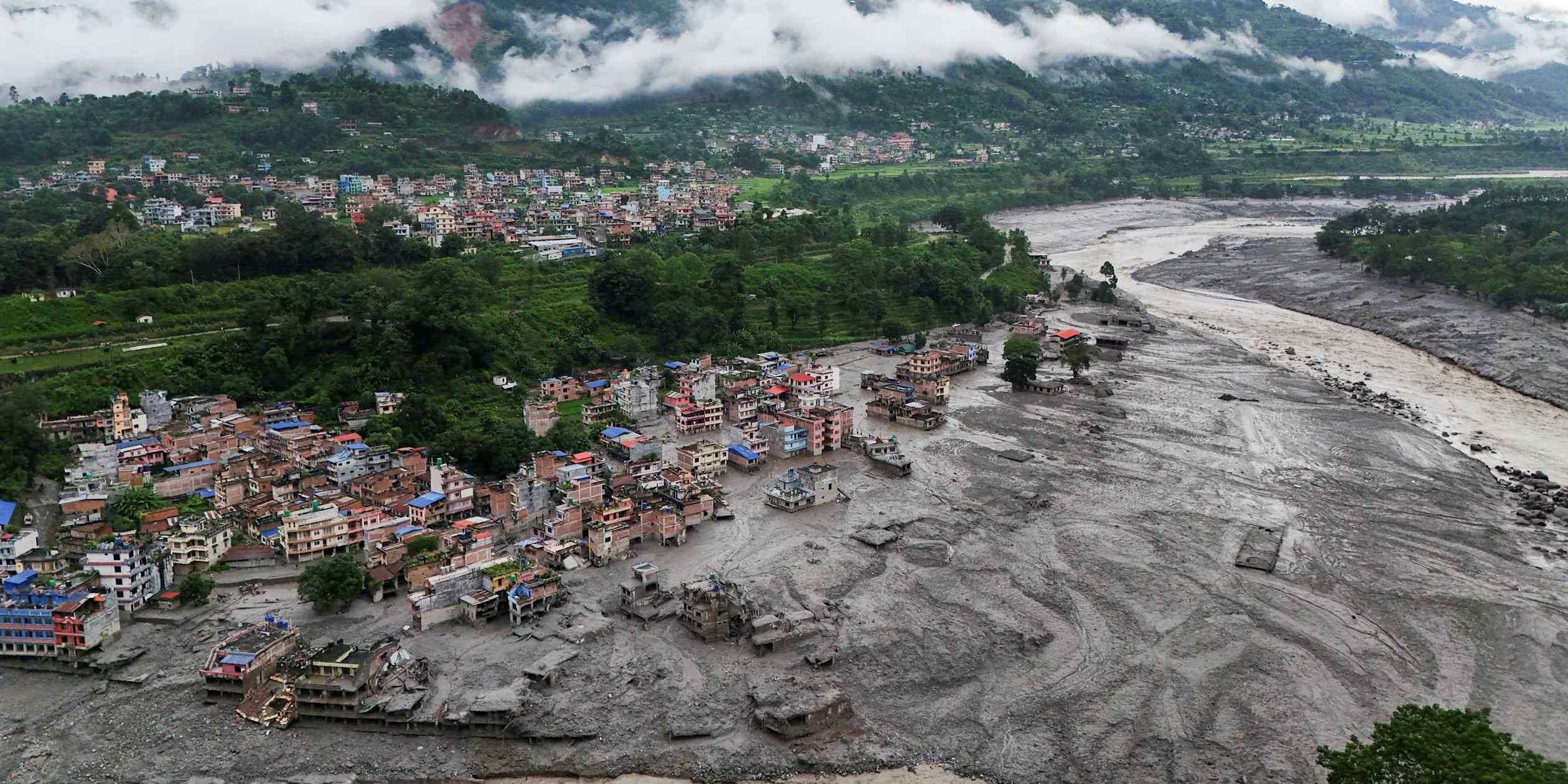
Recent catastrophic flooding in Nepal has prompted climate scientists to examine the connection between rising regional temperatures and increasingly severe weather events in the Himalayan region. The floods, which claimed numerous lives and displaced thousands of residents, reflect patterns that researchers say are consistent with accelerating climate change in one of the world's most vulnerable mountain zones.
The Himalayas contain the world's largest concentration of glaciers outside the polar regions, and warming temperatures are fundamentally altering how water moves through these mountain systems. As glaciers retreat at accelerating rates, the timing and intensity of seasonal water flows are shifting unpredictably, creating conditions for both severe flooding and prolonged droughts. Scientists note that traditional weather patterns that communities have adapted to over centuries are becoming increasingly unreliable.
The implications extend far beyond Nepal's borders. The Himalayan region serves as the water source for billions of people across South and Southeast Asia, including major river systems that sustain agriculture, hydropower generation, and drinking water supplies throughout the subcontinent. Climate experts warn that without significant adaptation measures, the region faces mounting challenges in managing water resources amid continued warming.
Governments and international agencies are beginning to focus greater attention on early warning systems and climate adaptation strategies for mountain communities. However, experts stress that such measures alone cannot address the scale of change anticipated as global temperatures continue to rise, underscoring the urgency of broader climate mitigation efforts.