World · World News Bureau
Nepal's devastating floods receive scant international attention and aid
Climate experts point to wealthy nations' reluctance to acknowledge their role in global warming as a factor in the muted international response to Nepal's recent flooding disasters. The disparity in media coverage and humanitarian assistance compared to other natural disasters has drawn criticism from climate advocates.
LSN World News ·
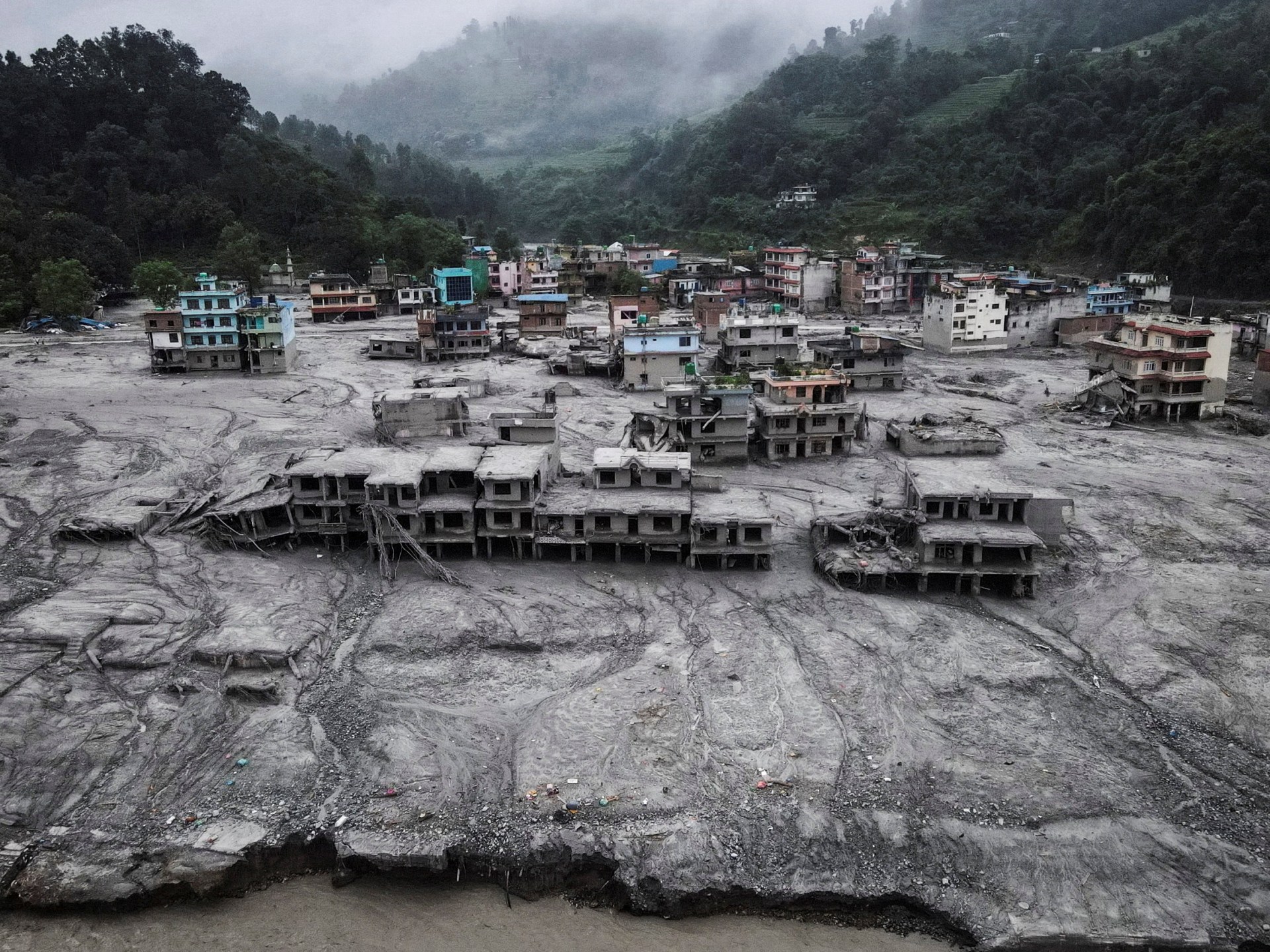
Nepal has faced increasingly severe flooding in recent years, yet the scale of international response and media attention remains notably limited compared to similar disasters in other regions. Climate researchers and development organizations have highlighted this disparity, attributing it partly to wealthy industrialized nations' reluctance to accept responsibility for their historical and ongoing contributions to greenhouse gas emissions.
Nepal, one of the world's most vulnerable countries to climate change impacts, contributes minimally to global emissions while experiencing devastating consequences from shifting weather patterns. The Himalayan nation faces intensifying monsoons, glacier melt, and flash floods that displace thousands and destroy critical infrastructure annually. Despite these mounting crises, international aid flows and diplomatic attention have remained comparatively sparse.
Climate policy experts argue that acknowledging the connection between Nepal's flooding and global warming patterns would require wealthy nations to confront their outsized role in the climate crisis. Such recognition could create political and financial obligations for climate reparations and accelerated emissions reductions. This dynamic, observers suggest, has created a structural disincentive for prominent engagement with Nepal's climate-related disasters at the international level.
Nongovernmental organizations working in Nepal emphasize that the country requires sustained international support for both immediate disaster response and long-term climate adaptation infrastructure. The gap between Nepal's pressing needs and available global resources remains significant, underscoring broader questions about climate justice and burden-sharing in an interconnected world.