World · World News Bureau
Nepal's devastating floods signal climate risks for South Asia
The recent flooding in Nepal underscores mounting environmental threats facing the Himalayan region, with implications extending across shared river systems into India and beyond. Climate change is intensifying weather patterns that could trigger increasingly severe disasters throughout South Asia.
LSN World News ·
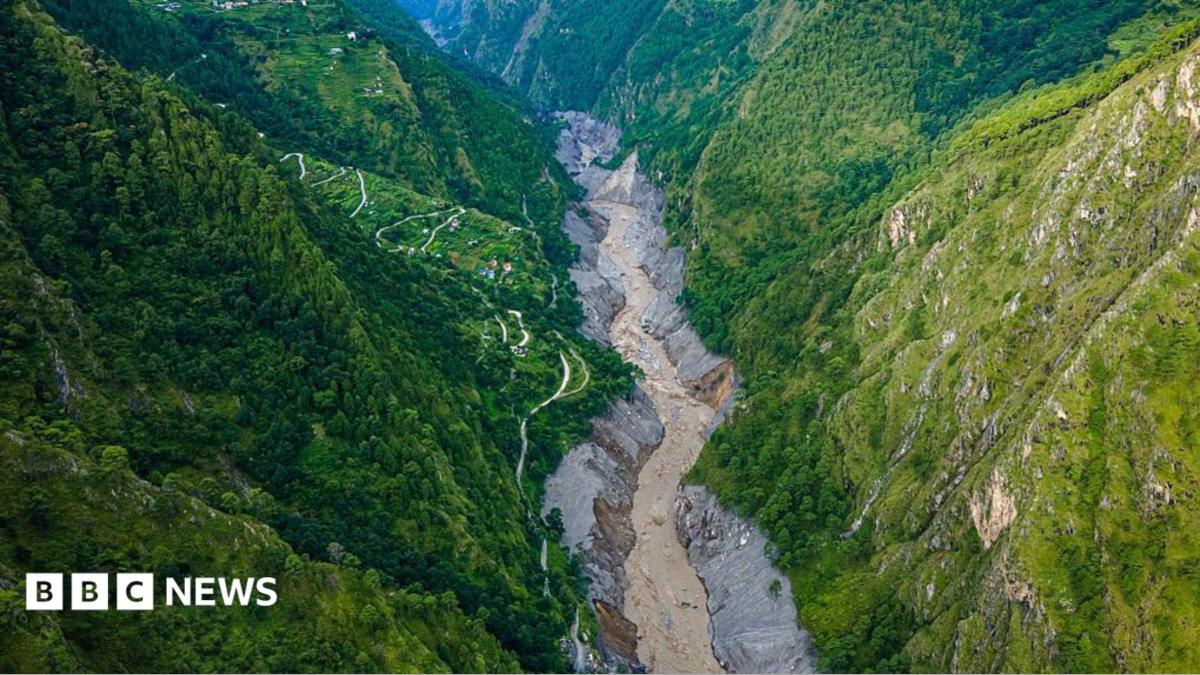
Nepal's recent flooding has exposed the vulnerability of communities across the Hindu Kush-Himalayan region to extreme weather events amplified by climate change. The disaster serves as a stark reminder that environmental hazards do not respect borders, with water systems and atmospheric patterns affecting multiple nations simultaneously.
The Himalayan watershed supplies crucial water resources to major river systems that flow through India, Bangladesh, and other neighboring countries. Heavy monsoon rainfall and glacial melt from rising temperatures have intensified flooding risks, threatening millions who depend on these waterways for agriculture, drinking water, and hydroelectric power.
Climate scientists warn that Nepal's recent experience may represent a preview of more frequent and severe weather events likely to strike the region in coming decades. The disaster underscores the urgent need for coordinated regional disaster preparedness and climate adaptation strategies that account for shared environmental challenges.
India and Nepal, along with other Himalayan nations, face mounting pressure to strengthen early warning systems, improve infrastructure resilience, and coordinate cross-border water management. Regional cooperation on climate adaptation has become critical as environmental stresses mount and extreme weather events grow more unpredictable.