World · World News Bureau
Nepal's devastating floods signal climate shift in Himalayan region
Recent catastrophic flooding in Nepal has exposed the region's vulnerability to extreme weather events, with climate scientists warning that warming temperatures in the Himalayas are fundamentally altering precipitation patterns and increasing disaster risk.
LSN World News ·
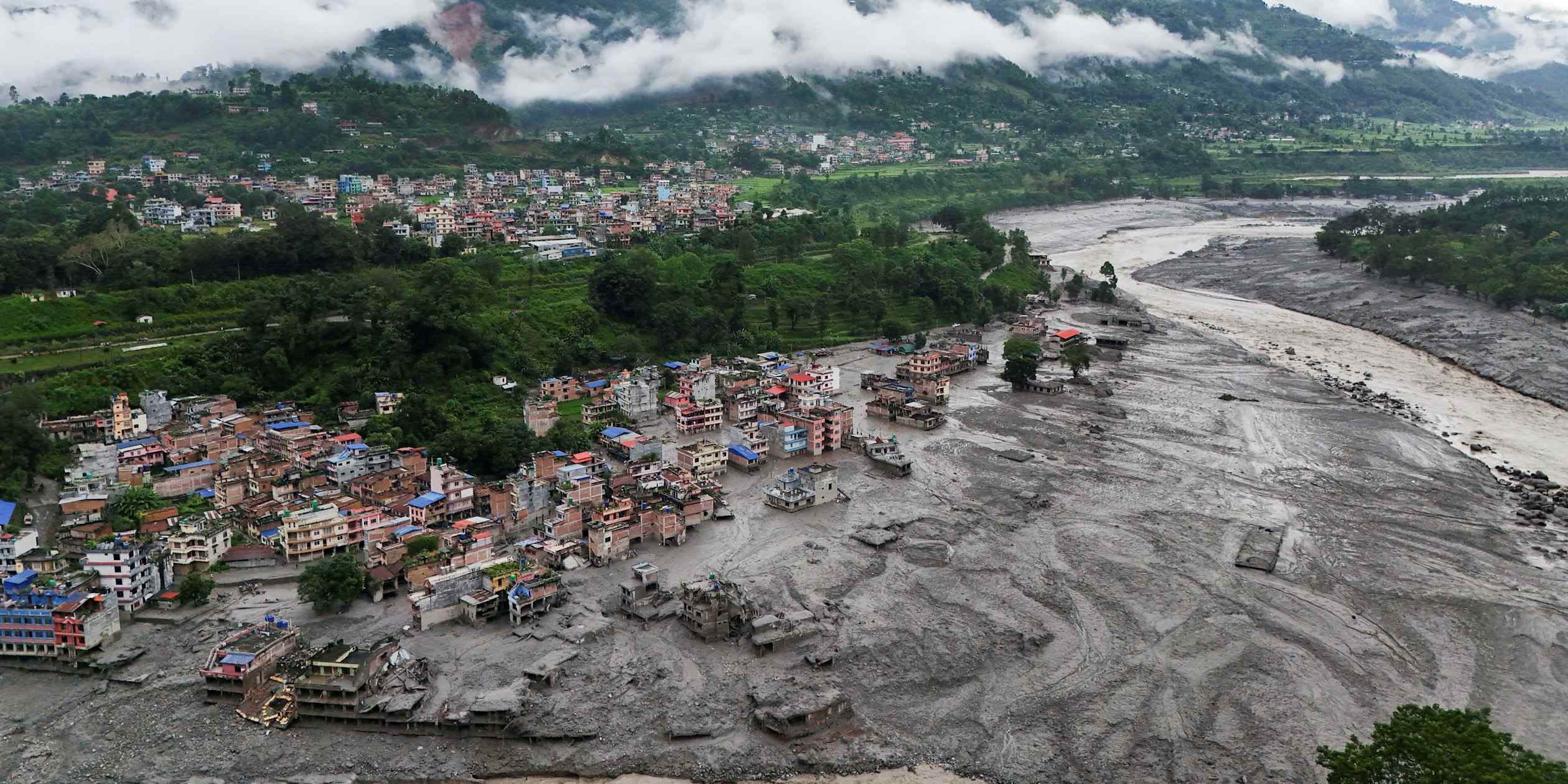
Nepal has experienced severe flooding in recent weeks, with water and debris sweeping through valleys and communities across the country. The disaster has claimed numerous lives and displaced thousands of residents, destroying homes, infrastructure and agricultural land in its wake. Early assessments suggest the flooding ranks among the most destructive weather events the nation has faced in recent years.
Climate researchers point to the broader environmental context underlying these catastrophic events. Rising temperatures in the Himalayan region are causing glaciers to melt at accelerating rates while intensifying monsoon precipitation. This combination creates ideal conditions for flash floods and landslides, particularly in steep terrain where drainage systems cannot manage sudden water surges.
The Nepalese government and international agencies are mobilizing relief efforts to assist affected communities. However, experts warn that without significant climate action, such extreme weather events will become increasingly common across South Asia. The floods underscore the urgent need for improved disaster preparedness infrastructure and long-term climate adaptation strategies throughout the Himalayan region and beyond.
Many climate scientists view the Nepal disaster as a harbinger of how warming global temperatures will reshape the world's mountain systems. As glaciers continue retreating and weather patterns intensify, vulnerable populations in the Himalayas face mounting environmental hazards that threaten both immediate safety and long-term livelihoods.