World · Singapore Bureau
Nepal's Flood Crisis Exposes Weather Forecasting Vulnerabilities
Recent devastating floods in Nepal have highlighted critical gaps in the country's early warning systems and raised questions about data-sharing arrangements with neighbouring China. The disaster underscores the challenges of maintaining weather monitoring infrastructure in mountainous terrain.
LSN Singapore ·
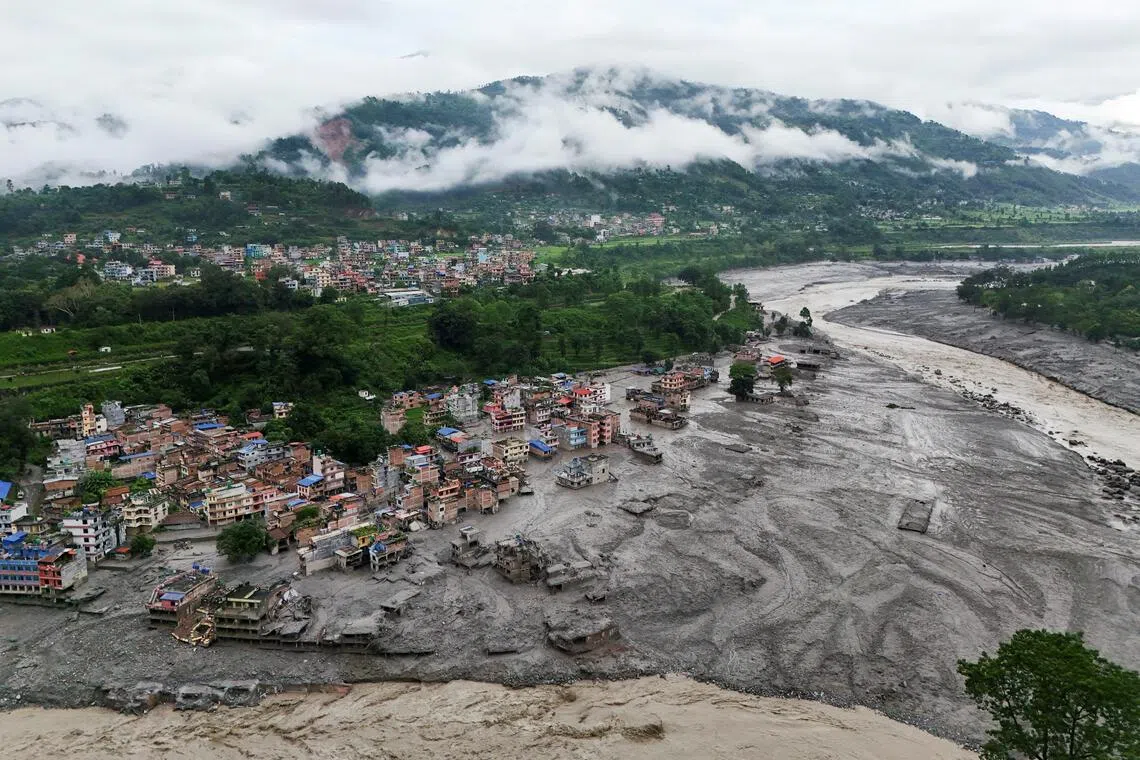
Nepal's recent flooding has laid bare significant deficiencies in its ability to predict and prepare for extreme weather events, with experts pointing to inadequate monitoring networks and communication barriers between regional meteorological agencies.
The country's weather station network remains sparse, particularly in high-altitude regions where many rivers originate. Installing and maintaining observation equipment in the Himalayan ranges presents substantial logistical and financial hurdles, leaving critical gaps in real-time weather data collection. These blind spots have hampered forecasters' ability to issue timely warnings to communities in vulnerable downstream areas.
Coordination issues with China, through which several major Nepali river systems flow, have further complicated early warning efforts. Experts argue that enhanced data-sharing arrangements between the two countries—including precipitation readings and river flow information from Tibetan plateau monitoring stations—could significantly improve Nepal's flood preparedness. At present, the flow of meteorological intelligence across the border remains inconsistent.
The flooding has spurred calls for investment in Nepal's weather infrastructure and stronger regional cooperation mechanisms. Officials acknowledge that upgrading the country's forecasting capabilities will require sustained funding and technical expertise that currently stretch limited resources. Regional analysts suggest that establishing formal data-exchange protocols with upstream nations could provide a cost-effective complement to domestic monitoring efforts.