World · India Bureau
Nepal's floods expose fragile Himalayan ecosystem to lasting damage
As floodwaters recede across Nepal, environmental experts warn of deep ecological consequences beyond the immediate disaster. The debris-laden torrents have left Himalayan habitats and river systems facing significant long-term degradation.
LSN India ·
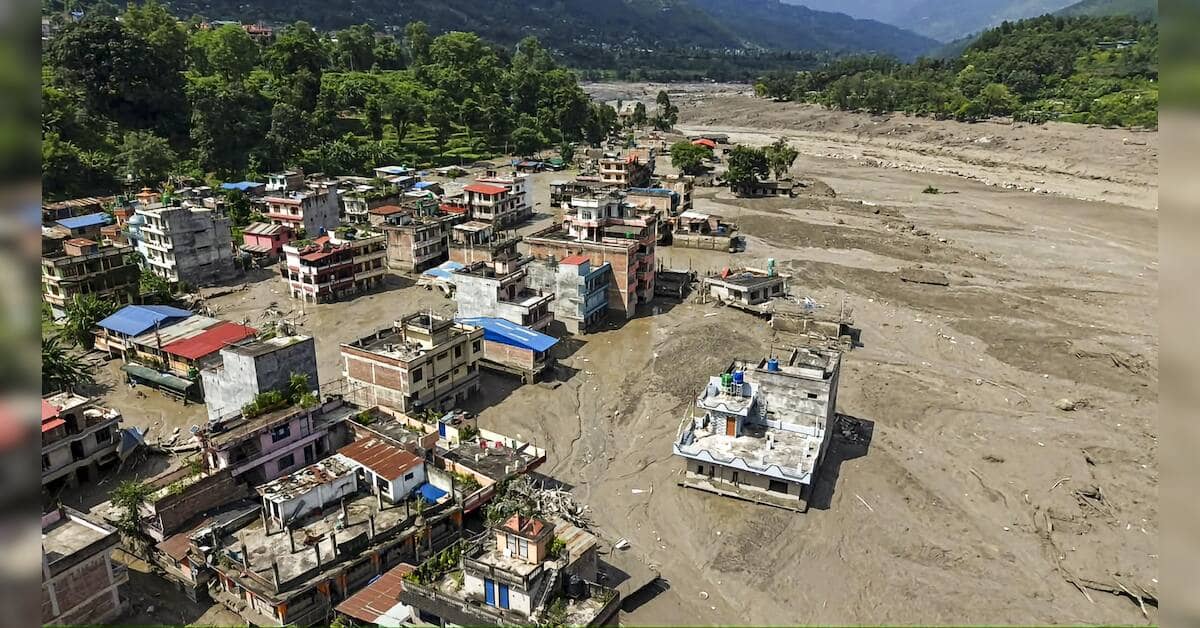
Nepal's recent flooding has brought attention to vulnerabilities extending far beyond immediate loss of life and property. While rescue operations have concluded and waters have subsided, scientists caution that the true environmental toll remains unfolding across one of the world's most ecologically sensitive regions.
The torrential flows have deposited massive quantities of sediment, debris, and pollutants across river systems and downstream ecosystems. In the steep Himalayan terrain, such scouring events can fundamentally alter riverbed composition, destroy riparian vegetation, and disrupt habitats for endemic species found nowhere else on Earth. The debris accumulation poses particular concern for aquatic biodiversity in a region already facing pressure from climate change and developmental activities.
Slope stability has also been compromised by the deluge. Flash floods have triggered landslides that continue to reshape hillsides, removing topsoil and vegetation cover essential for preventing future erosion. These scars on the landscape may take decades to naturally recover, leaving mountainsides vulnerable to further degradation during future monsoon seasons.
Environmentalists emphasize that Nepal's disaster underscores the interconnectedness of Himalayan ecology. Damage occurring at higher elevations cascades downstream, affecting water quality and ecosystem health across the region and beyond national borders. The incident adds urgency to conversations about long-term environmental management and climate resilience in one of Asia's most water-sensitive zones.