World · Singapore Bureau
Nepal's forensic labs race to identify thousands of flood disaster victims
Understaffed laboratories in Nepal are undertaking a massive identification effort following devastating floods that claimed victims from dozens of countries, including foreign tourists. The small forensic facilities face unprecedented pressure as they work through thousands of remains.
LSN Singapore ·
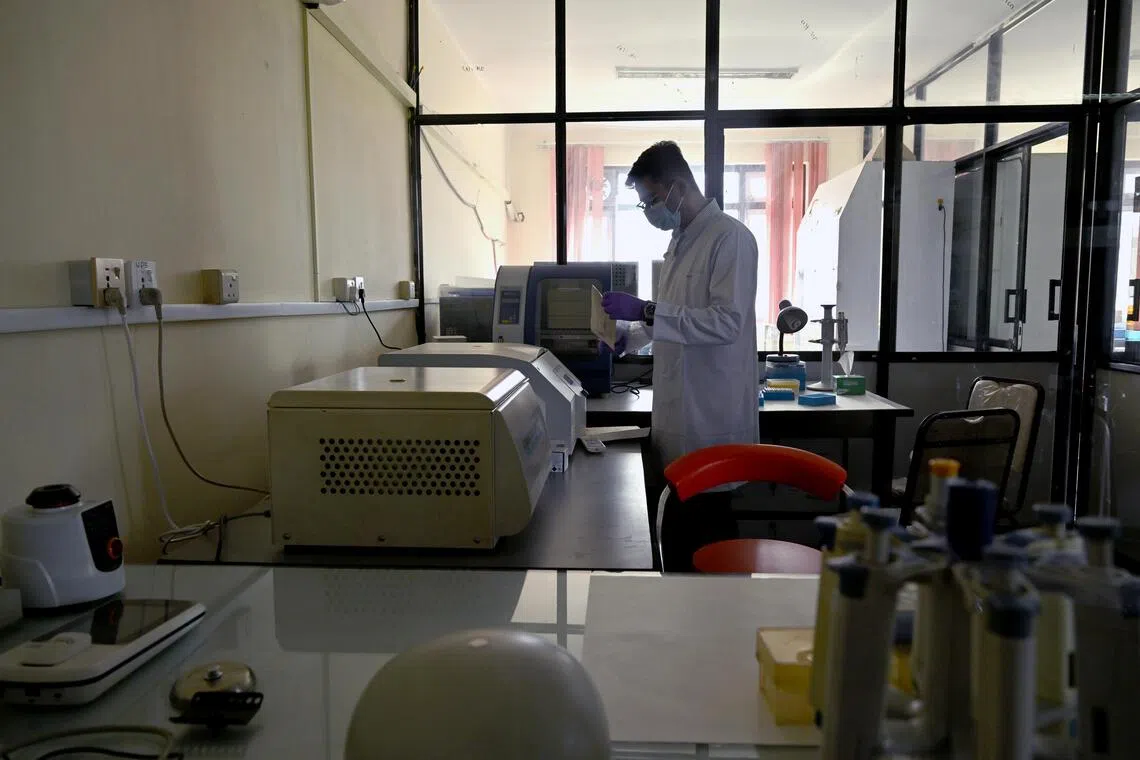
Nepal's forensic laboratories have become the focal point of a massive victim identification operation following catastrophic flooding that has claimed lives across the region. The facilities, traditionally equipped to handle a fraction of current caseloads, are now processing remains from thousands of victims spanning at least 30 nationalities.
The scale of the challenge has exposed significant capacity constraints within Nepal's forensic infrastructure. Limited staff, basic equipment, and lack of specialized training in mass disaster victim identification have complicated efforts to return remains to families and enable proper burial rites across multiple countries and religious traditions.
Among the deceased are numerous foreign tourists who were in Nepal when the floods struck, adding layers of complexity to the identification process. International coordination has become essential, with authorities working to match DNA samples, dental records, and personal effects to identify victims whose families await news from across South Asia, Europe, and beyond.
Forensic teams have appealed for additional resources and international assistance to accelerate identifications. The operation underscores broader vulnerabilities in disaster response infrastructure across the region, particularly concerning the ability of smaller nations to manage large-scale mass casualty incidents.