World · India Bureau
Nepal's glacier collapse disaster was predicted months earlier, warn experts
A catastrophic flash flood in Nepal that killed hundreds was foreshadowed by scientific warnings about accelerating glacier melt and increased flood risks across the Himalayan region. The International Centre for Integrated Mountain Development (ICIMOD) had documented alarming increases in ice loss rates and glacial hazards months before the disaster.
LSN India ·
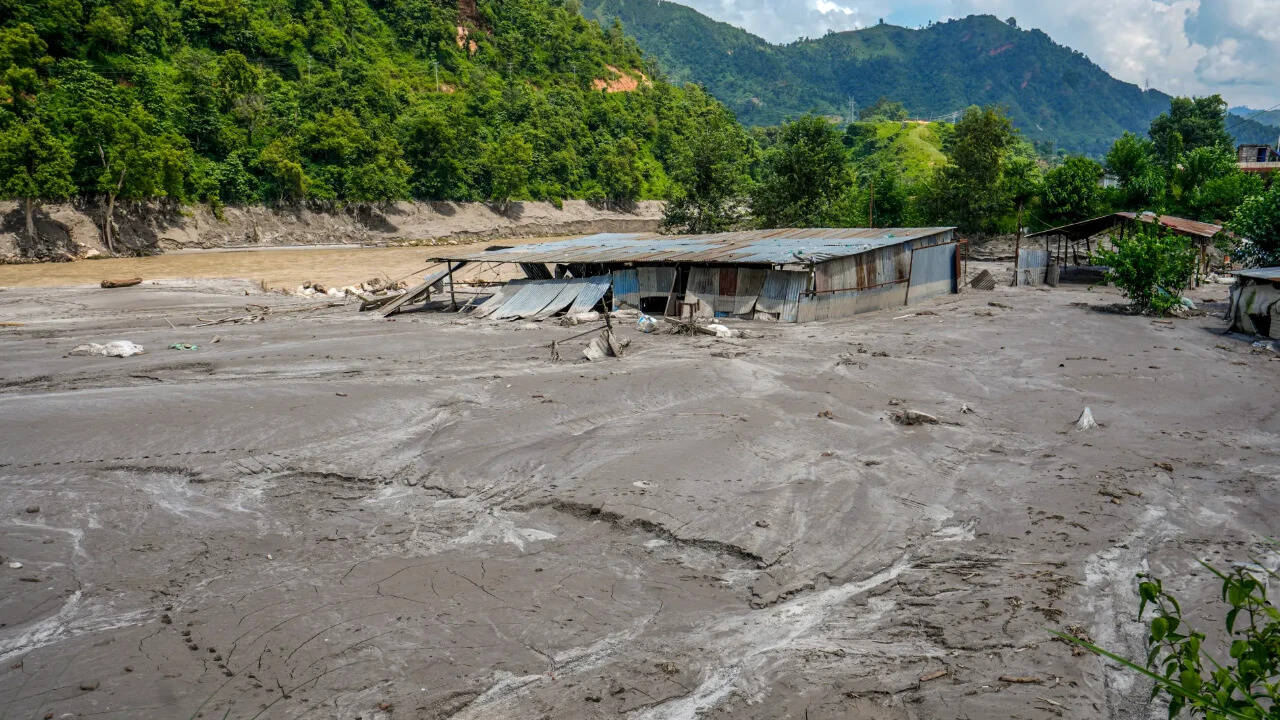
The recent flooding in Nepal and Tibet that triggered a devastating glacier collapse has rekindled focus on scientific warnings issued by regional research institutions months prior to the disaster. ICIMOD's assessments documented a concerning acceleration in glacier retreat across the Hindu Kush-Himalayan region, with ice loss rates having doubled in recent years, creating heightened vulnerability to cascading water-related disasters.
The catastrophic flash flood, triggered when a glacier collapsed, claimed hundreds of lives and left many others missing across affected areas. The disaster underscored the escalating risks posed by rapidly shrinking mountain glaciers, which are now melting faster than larger ice masses in the region. Smaller glaciers, in particular, are disappearing at accelerated rates, intensifying the frequency and severity of hazards such as glacial lake outburst floods (GLOFs) that threaten downstream communities.
Scientists have emphasised that these cross-border mountain disasters demand coordinated regional responses, as glacial systems and river systems do not respect national boundaries. Communities in Nepal, India, Bhutan, and other South Asian nations share interconnected water systems that are increasingly vulnerable to rapid climatic changes affecting high-altitude ice reserves. Experts have called for enhanced monitoring systems, early warning mechanisms, and coordinated preparedness strategies among neighbouring countries to mitigate risks from future glacier-related hazards.