World · World News Bureau
Nepal's hydropower dominance faces new test after devastating floods
Recent flooding has disabled more than a tenth of Nepal's electricity generation capacity, highlighting the vulnerability of a nation heavily dependent on hydroelectric power. The disaster underscores growing concerns about the risks of relying too heavily on a single energy source in a region prone to climate-related disasters.
LSN World News ·
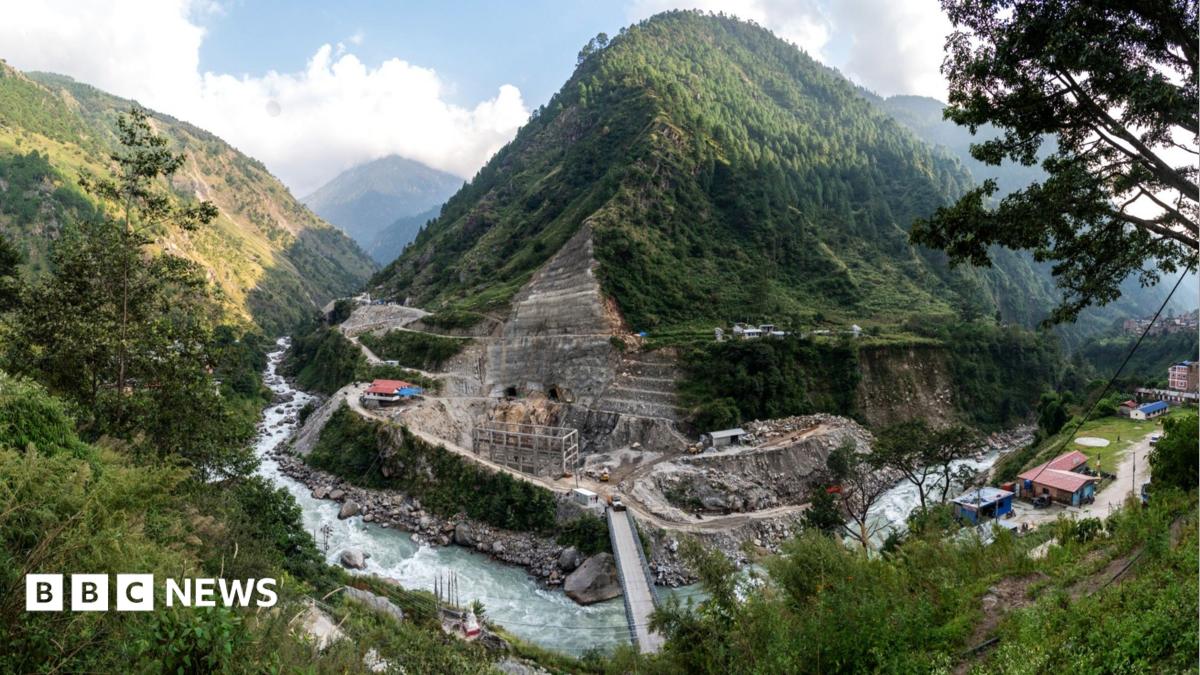
Nepal's ambitious strategy to position itself as a regional hydropower hub has encountered a significant setback following last week's devastating floods, which damaged or disabled generating facilities accounting for more than 10 percent of the country's total energy production capacity.
The extensive damage to hydroelectric installations has exposed the inherent risks of Nepal's energy portfolio, which is heavily weighted toward water-based power generation. While hydropower represents a renewable and relatively clean energy source, the recent disaster demonstrates how climate-related events can rapidly disrupt supply chains and leave the nation vulnerable to blackouts and energy shortages.
Nepal has invested heavily in hydroelectric infrastructure over recent years, viewing the sector as crucial for economic development and positioning the nation as an electricity exporter to neighboring countries. However, the flooding episode has reignited debate among policymakers and energy analysts about the need for greater diversification in energy sources to enhance grid resilience.
Government officials and energy experts have indicated that rehabilitation efforts are underway, though repair timelines remain uncertain. The incident is expected to prompt renewed discussions about Nepal's long-term energy security strategy and the importance of balancing hydropower expansion with investments in alternative renewable sources such as solar and wind power.