World · Singapore Bureau
Nepal's hydropower dreams tested as climate impacts disrupt energy plans
A recent disaster has knocked out roughly 10 per cent of Nepal's hydroelectric generation capacity, exposing vulnerabilities in the nation's strategy to expand renewable energy production. The incident highlights growing challenges facing South Asia's ambitious hydropower projects amid changing climate conditions.
LSN Singapore ·
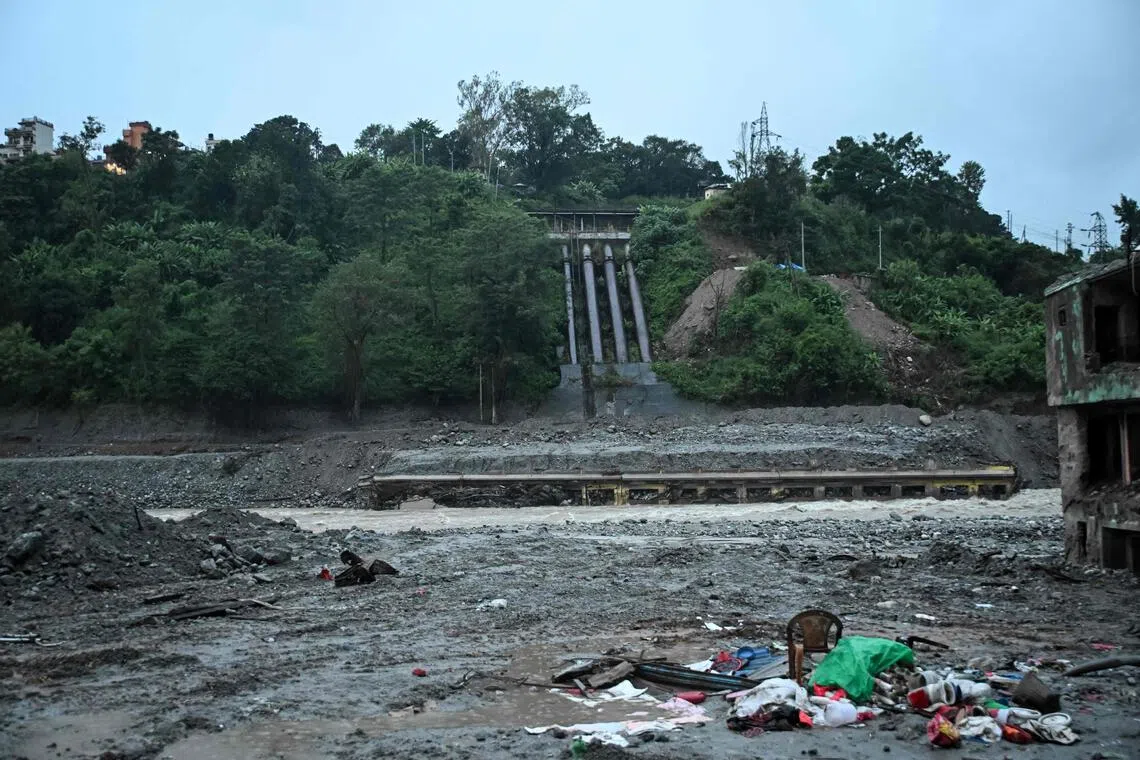
Nepal's push to become a regional hydropower hub has encountered a significant setback after a disaster disabled approximately 410 megawatts of generation capacity. The outage underscores the technical and environmental risks threatening the country's energy independence plans, which heavily depend on expanding hydroelectric infrastructure across its mountainous terrain.
Nepal has long positioned hydropower as a cornerstone of its development strategy, targeting increased electricity exports to neighbouring India and domestic consumption growth. However, climate-related disruptions—including irregular precipitation patterns, glacial melt, and extreme weather events—are complicating operations at existing facilities and raising questions about the reliability of proposed projects.
The loss of 410 megawatts represents a substantial portion of Nepal's power generation network, leaving the nation vulnerable to continued supply shortages. Energy analysts say the country must balance its hydropower ambitions with investment in climate-resilient infrastructure and diversified energy sources to ensure stable electricity supply in coming decades.
Nepal's experience reflects broader regional challenges as South and Southeast Asian nations pursue renewable energy targets while grappling with climate change impacts. Experts warn that without adequate planning and climate adaptation measures, hydropower-dependent economies risk undermining their long-term energy security and economic growth objectives.