World · Malaysia Bureau
Nepal's hydropower reliance faces mounting climate and geological threats
With over 90% of its electricity derived from hydropower, Nepal confronts growing vulnerabilities to climate variability and seismic risks that threaten long-term energy stability. The nation's heavy dependence on a single power source is creating critical challenges for economic development and grid reliability.
LSN Malaysia ·
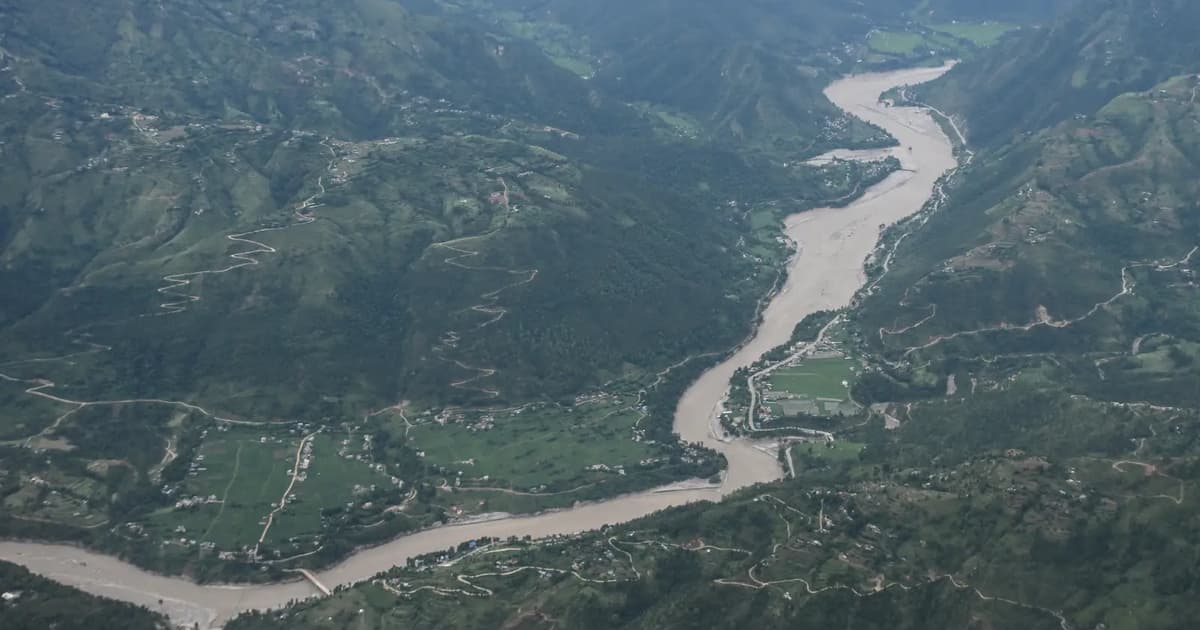
Nepal's energy infrastructure remains heavily concentrated in hydropower generation, a dependency that increasingly exposes the Himalayan nation to environmental and geological hazards. Climate fluctuations affecting monsoon patterns and river flows have already demonstrated the fragility of relying on a single energy source, with seasonal variations creating periodic shortages and surpluses that strain the national grid.
The country's vulnerability extends beyond weather patterns. Nepal's location along major tectonic fault lines means seismic activity poses a persistent threat to dam infrastructure and water availability. A significant earthquake could compromise critical hydropower installations, potentially crippling electricity supply across the nation and disrupting economic activity dependent on reliable power.
Energy security analysts warn that diversifying Nepal's power generation portfolio has become essential for sustainable development. While hydropower offers renewable benefits, over-concentration in this sector limits resilience and leaves little margin for operational disruptions. Experts suggest developing alternative energy sources, including solar and wind capacity, to build redundancy into the system.
International climate projections suggest the Hindu Kush-Himalayan region may experience unpredictable precipitation patterns in coming decades, further complicating hydropower planning. Nepal's policymakers face mounting pressure to balance the nation's existing hydropower investments with long-term energy diversification strategies that can withstand both climatic shifts and natural disasters.