World · Singapore Bureau
Nepal's tourism sector reels from fresh climate disaster in Rasuwa
Devastating floods in Nepal's mountainous Rasuwa district have claimed multiple lives and underscored the nation's vulnerability to climate-related disasters. The disaster threatens to compound challenges facing Nepal's already fragile tourism industry.
LSN Singapore ·
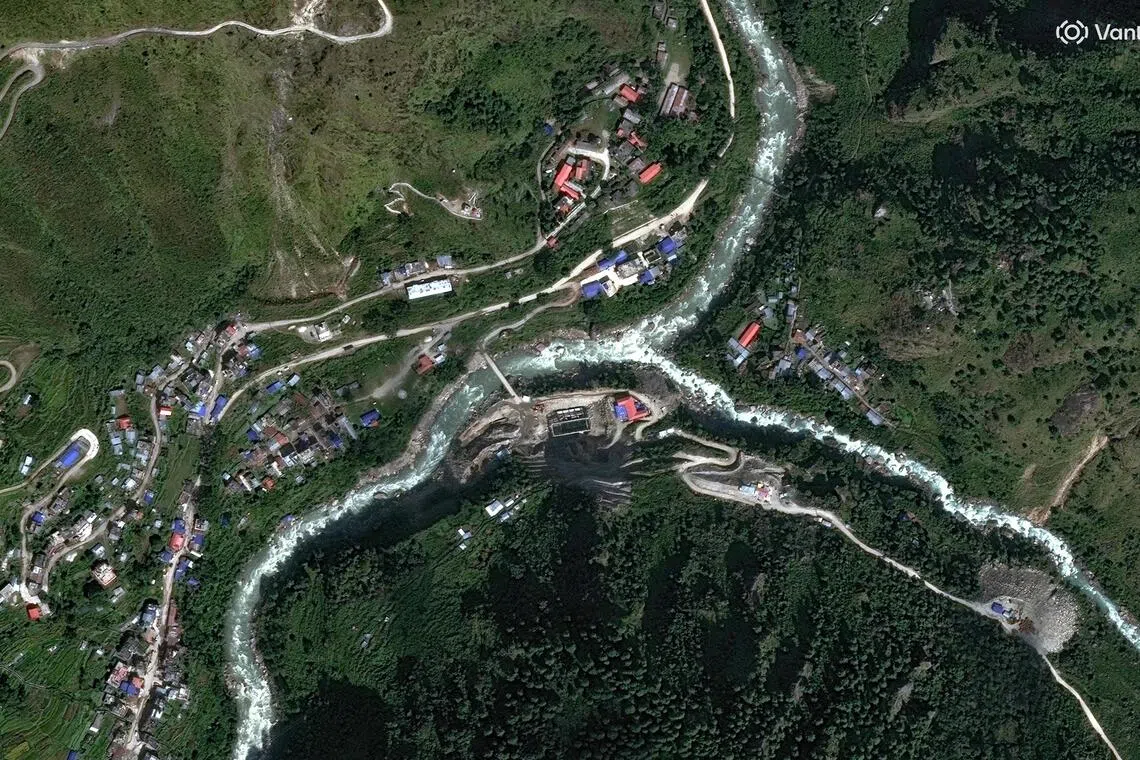
Nepal faces mounting pressure to address its exposure to climate-related hazards following catastrophic flooding in the Rasuwa district, which borders Tibet. The disaster has killed dozens and displaced hundreds of residents, with search and rescue operations continuing in affected areas. Infrastructure damage, including the destruction of roads and bridges, has isolated communities and disrupted economic activity in the region.
The floods represent a significant setback for Nepal's tourism sector, which has struggled to recover from previous disruptions. Rasuwa, a gateway to trekking routes and mountainous attractions popular with international visitors, has seen tourism activity curtailed as authorities assess damage and safety risks. The disaster raises fresh questions about the viability of tourism infrastructure in high-altitude and flood-prone areas.
Climate scientists have linked the increasing frequency and severity of such events to broader environmental shifts affecting the Hindu Kush-Himalayan region. Nepal's topography, combined with monsoon patterns and glacier melt, creates conditions conducive to flooding and landslides during wet seasons. Experts warn that without robust adaptation measures, the nation faces escalating risks to both its population and economic interests.
Government officials have acknowledged the need for enhanced early warning systems and improved disaster preparedness across mountain communities. Regional cooperation with neighboring countries, including Tibet-administered areas, is also being discussed to better manage cross-border water management and flood mitigation. Tourism operators are calling for comprehensive risk assessments before reopening routes to international visitors.