World · Singapore Bureau
Nepal seeks joint glacier risk study with China amid climate concerns
Nepalese political parties are calling for a coordinated Nepal-China research initiative to assess dangers posed by glacial lakes in the Himalayas. The push comes as experts emphasize the need for enhanced early warning systems and real-time data sharing between the two nations.
LSN Singapore ·
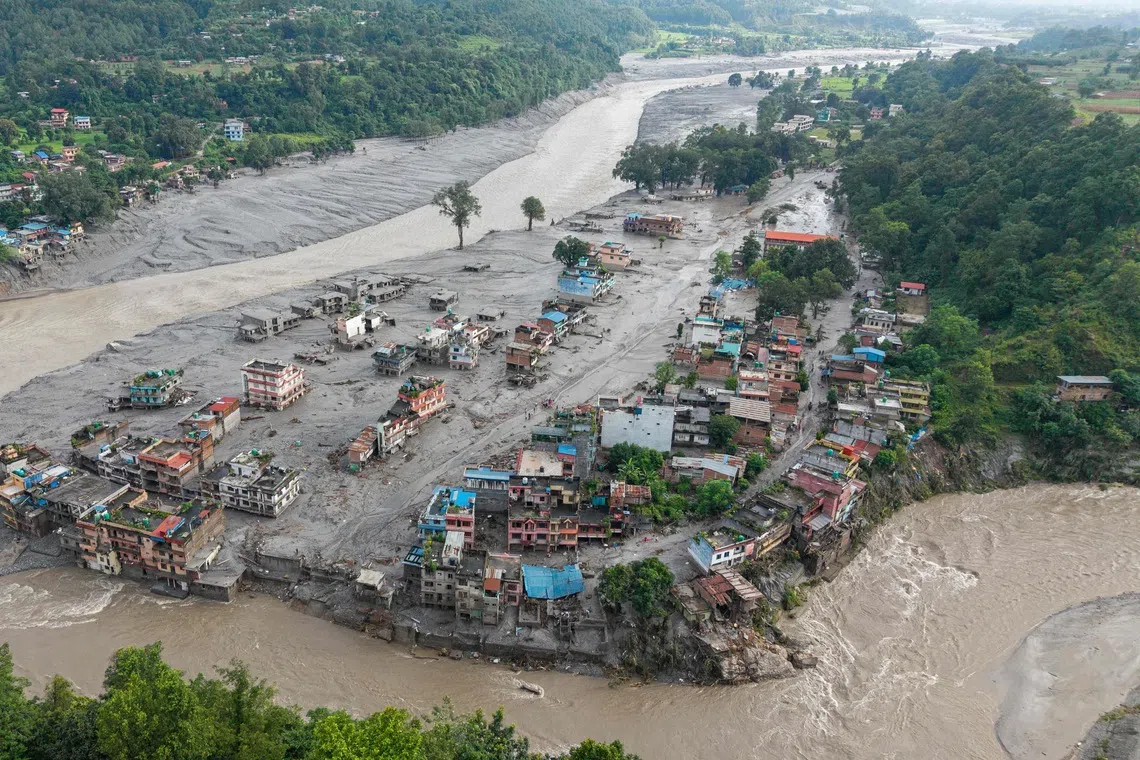
Political leaders in Nepal have united in demanding a comprehensive bilateral study with China to evaluate the growing risks associated with glacial lakes in the shared Himalayan region. The move reflects mounting concerns about potential outburst floods from these high-altitude water bodies, which could threaten communities and infrastructure across both countries.
Parties represented in Nepal's parliament argue that a joint research effort would enable better assessment of glacial lake hazards and help establish protocols for managing the risks. The initiative would complement existing climate change adaptation strategies in a region increasingly vulnerable to environmental shifts.
A key component of the proposed partnership involves strengthening early warning systems that can detect dangerous conditions in real time. Experts have highlighted gaps in current monitoring capabilities, noting that enhanced data sharing between Kathmandu and Beijing would improve response times and potentially save lives in downstream areas.
Nepal's glacial lakes have grown in size and number in recent decades due to climate-driven glacier retreat. Scientists warn that without coordinated management and robust warning mechanisms, communities in both Nepal and downstream regions in China face elevated risks from glacial lake outburst floods, which can occur with little warning and cause devastating damage.