World · Bangladesh Bureau
Nepal struggles with devastating monsoon floods, landslides kill dozens
Heavy rainfall has triggered widespread flooding and landslides across Nepal, claiming multiple lives and displacing thousands. Experts attribute the disaster to seasonal monsoon patterns combined with geographical vulnerability.
LSN Bangladesh ·
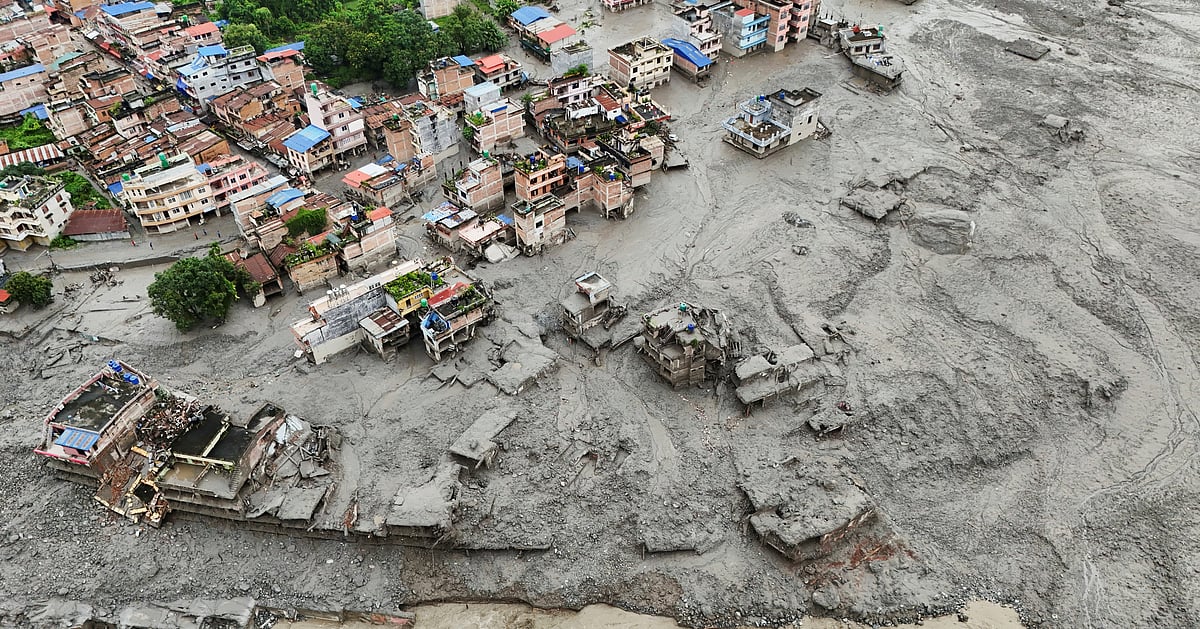
Nepal faces a humanitarian crisis as monsoon rains intensify across the country, causing severe flooding and triggering deadly landslides in mountainous regions. The South Asian nation's hilly and mountainous terrain makes it particularly susceptible to water-related disasters during the June-to-September monsoon season, when heavy precipitation destabilizes slopes and swells river systems beyond capacity.
Authorities have confirmed numerous deaths resulting from landslides and flash floods, with rescue operations ongoing in affected districts. Entire communities have been cut off as swollen rivers destroyed bridges and roads, hampering access for emergency responders and humanitarian aid. Local officials report that many villages remain unreachable, complicating efforts to assess the full scale of the disaster.
Geological experts note that Nepal's monsoon vulnerability stems from its complex topography combined with soil conditions prone to destabilization. The country's rapid urbanization and infrastructure development in flood-prone areas have also heightened risks for residents. Climate scientists have pointed to shifting precipitation patterns that may intensify monsoon impacts in future seasons.
Government agencies have mobilized emergency response teams to conduct search and rescue operations in the worst-affected areas. Preliminary reports indicate significant damage to homes, agricultural land, and critical infrastructure. As recovery efforts continue, officials emphasize the need for improved early warning systems and disaster preparedness measures to mitigate future casualties.