World · Singapore Bureau
Nepali communities lead grassroots relief efforts as floods devastate nation
As international aid organizations mobilize resources, ordinary Nepalis are playing a crucial role in disaster recovery efforts following severe flooding across the country. Local communities are organizing volunteer networks and resource distribution systems to support those affected by the catastrophe.
LSN Singapore ·
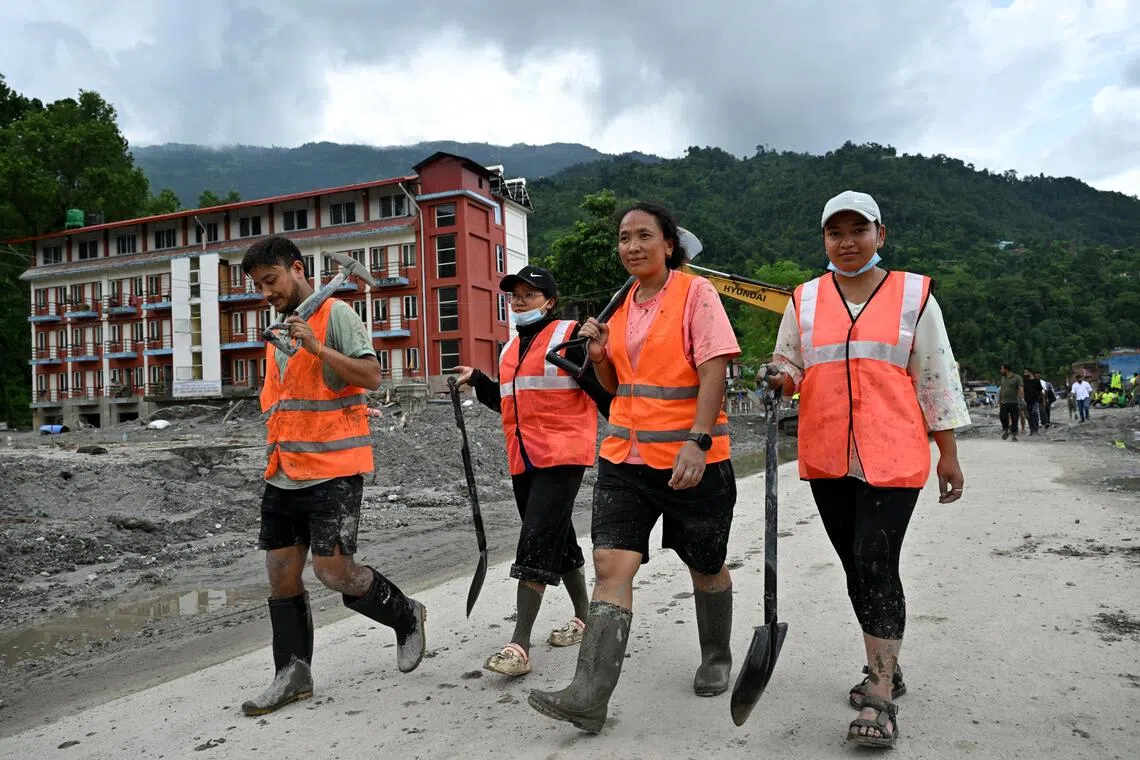
Communities across Nepal have mobilized rapidly in response to devastating floods that have swept through the nation, with residents organizing themselves into volunteer networks to fill gaps in relief efforts. Local citizens are coordinating shelter distribution, food supplies, and rescue operations in affected areas, demonstrating resilience in the face of widespread destruction and displacement.
While international aid agencies establish their coordination mechanisms, Nepali volunteers have already established themselves as vital components of the recovery infrastructure. In villages and urban centers alike, residents are pooling resources and labor to assist their neighbors, creating informal supply chains that deliver essentials to isolated communities cut off by floodwaters.
The grassroots response underscores the capacity of local populations to organize effective disaster response before external assistance fully mobilizes. Government officials have acknowledged the contributions of these volunteer efforts, noting that community-led initiatives have accelerated the pace of relief distribution in several regions.
As recovery efforts enter their critical early phases, the combination of international resources and local coordination suggests a comprehensive approach to addressing immediate humanitarian needs. Organizations working in Nepal have noted that the effectiveness of relief operations depends significantly on the cooperation and knowledge of communities familiar with local terrain and social structures.