Politics · Malaysia Bureau
Netanyahu courts Arab parties as Israeli coalition talks intensify
With votes nearly tallied from Israel's recent elections, Benjamin Netanyahu's right-wing bloc holds 53 seats while opposition forces command 48, leaving both camps short of the 61-seat majority required to form a government.
LSN Malaysia ·
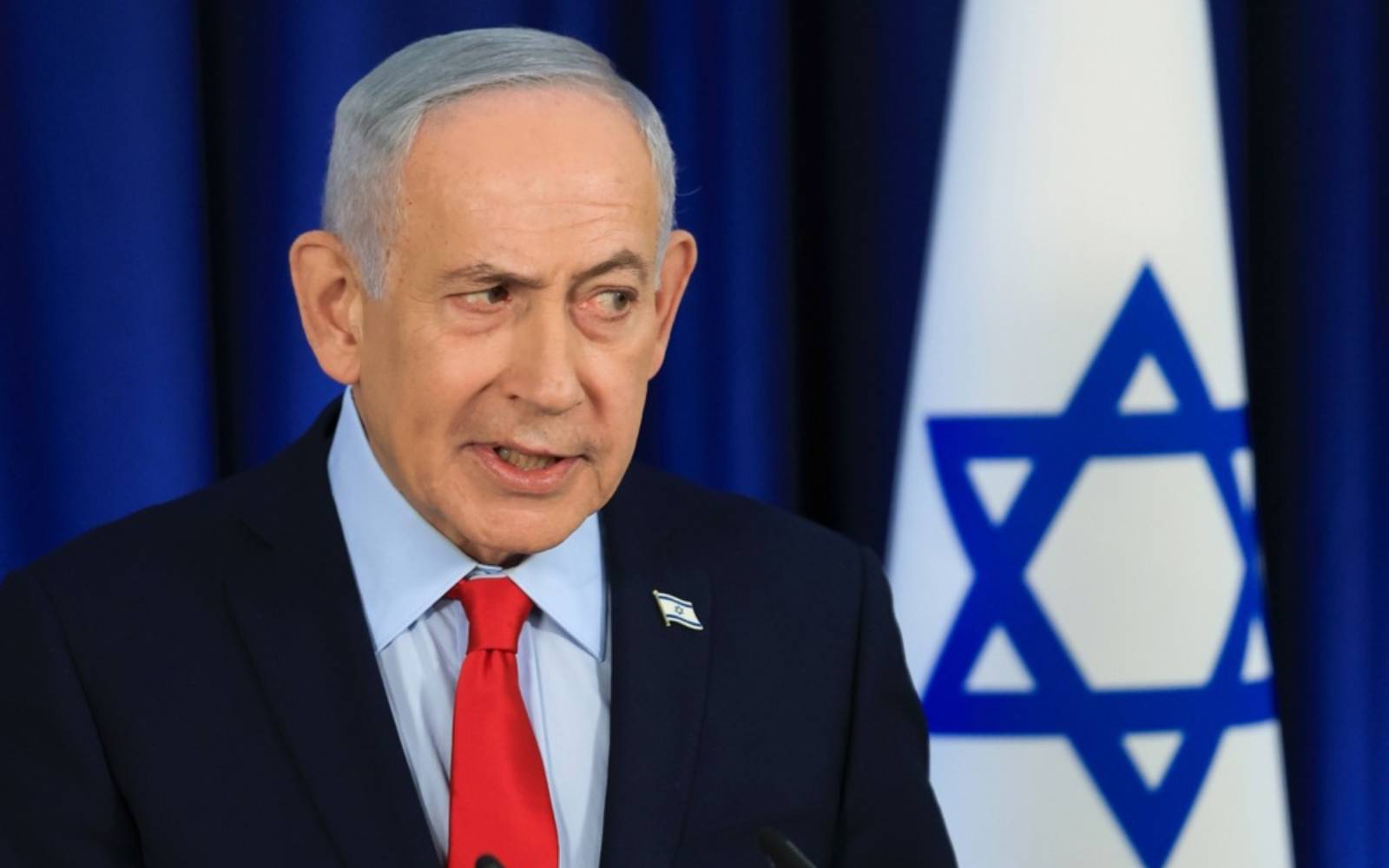
Netanyahu faces mounting pressure to secure parliamentary support from Arab political parties as he manoeuvres to assemble a governing coalition following inconclusive election results. The Likud leader's bloc remains significantly short of the threshold needed to command the Knesset, forcing him to pursue negotiations with minority parties that have traditionally remained outside governing coalitions.
Opposition leader Gadi Eisenkot's alliance, while maintaining substantial parliamentary representation, faces similarly challenging arithmetic in building a viable government. The 13-seat gap separating both camps has made negotiations with Arab parties, which hold several seats, potentially decisive in determining Israel's political trajectory.
Coalition formation talks are expected to intensify in the coming days as both camps seek the support necessary to reach the critical 61-seat threshold. The involvement of Arab parties in government formation represents a significant development in Israeli politics, marking a potential shift in how minority representation factors into executive power-sharing arrangements.
Israeli political analysts note that successful coalition negotiations will likely require substantial concessions and policy commitments from whichever bloc secures Arab party backing. The outcome could reshape the country's legislative priorities and approach to minority rights representation in the coming parliamentary session.