Politics · World News Bureau
Netanyahu, Eisenkot vie for Israeli coalition control
Israel faces a critical political juncture as two rival factions maneuver to secure majority support in the Knesset. The outcome will determine which leader can assemble a viable governing coalition.
LSN World News ·
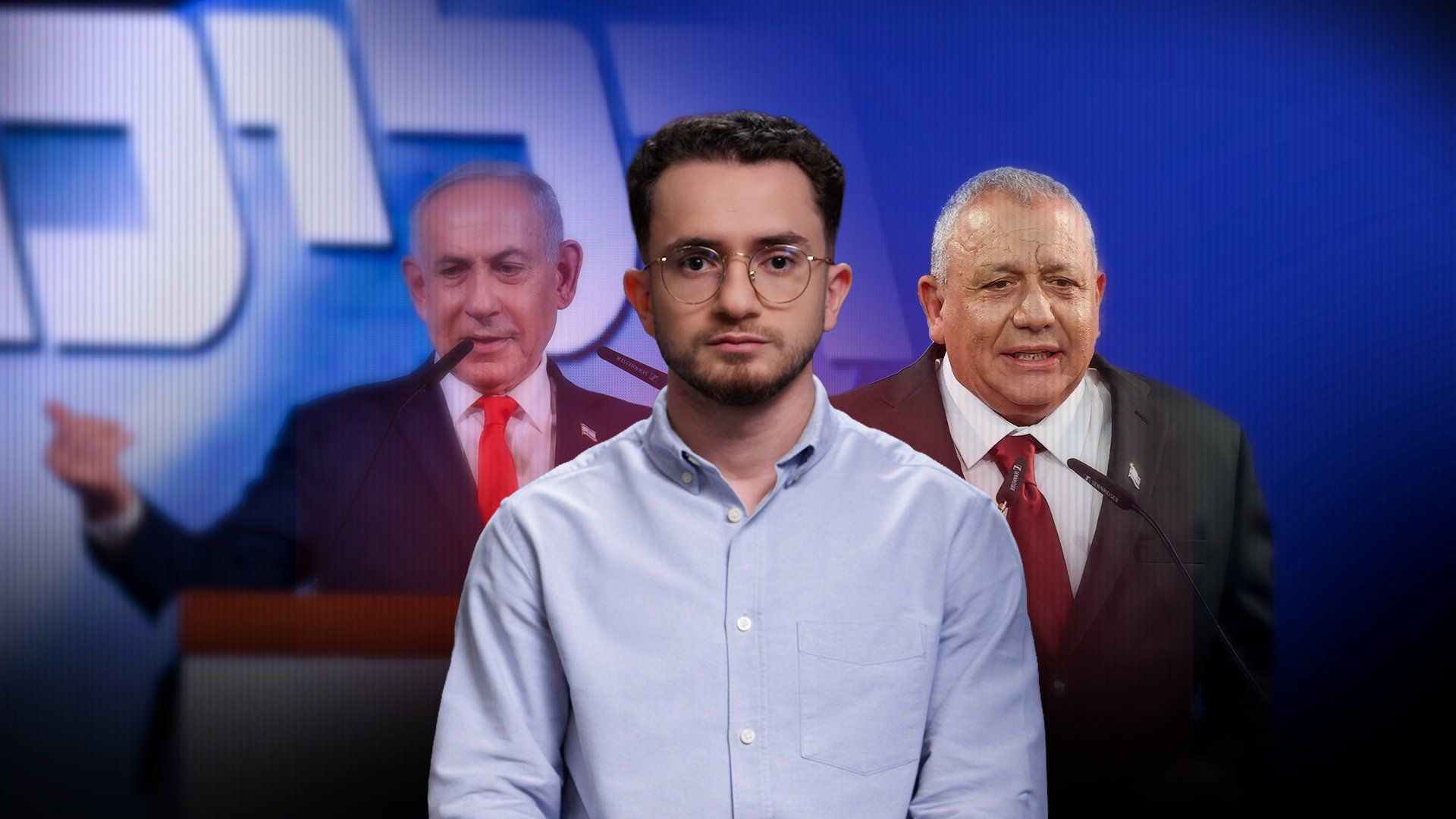
Israeli politics entered a new phase of uncertainty as former Prime Minister Benjamin Netanyahu and challenger Benny Eisenkot engaged in competing efforts to forge a parliamentary majority. The struggle to form a stable government underscores deepening divisions within the Knesset, with neither faction commanding automatic support from a clear coalition partner base.
Netanyahu's political machine has traditionally relied on support from right-wing and ultra-Orthodox parties, though recent electoral shifts have complicated those traditional alliances. Eisenkot, whose political positioning appeals to centrist and security-minded voters, represents an alternative pathway for coalition formation that would exclude Netanyahu from the prime minister's office.
The outcome remains fluid, with multiple smaller parties holding crucial votes that could tip the balance either direction. Coalition negotiations in the Israeli parliament have become increasingly complex following recent election results that fragmented the political landscape and prevented any single bloc from securing a decisive majority.
Both camps are engaged in intensive talks with uncommitted lawmakers and smaller factions to secure the 61 Knesset seats required for a governing coalition. The political uncertainty has raised concerns about Israel's stability during a period marked by significant regional security challenges.