Politics · Malaysia Bureau
Netanyahu faces critical election test amid political fragmentation
Israel's veteran Prime Minister Benjamin Netanyahu confronts a decisive electoral moment as the nation's fractured political landscape offers him potential advantages in coalition-building. The longtime leader's political fortunes hinge on his ability to navigate nationalist currents and secure parliamentary backing.
LSN Malaysia ·
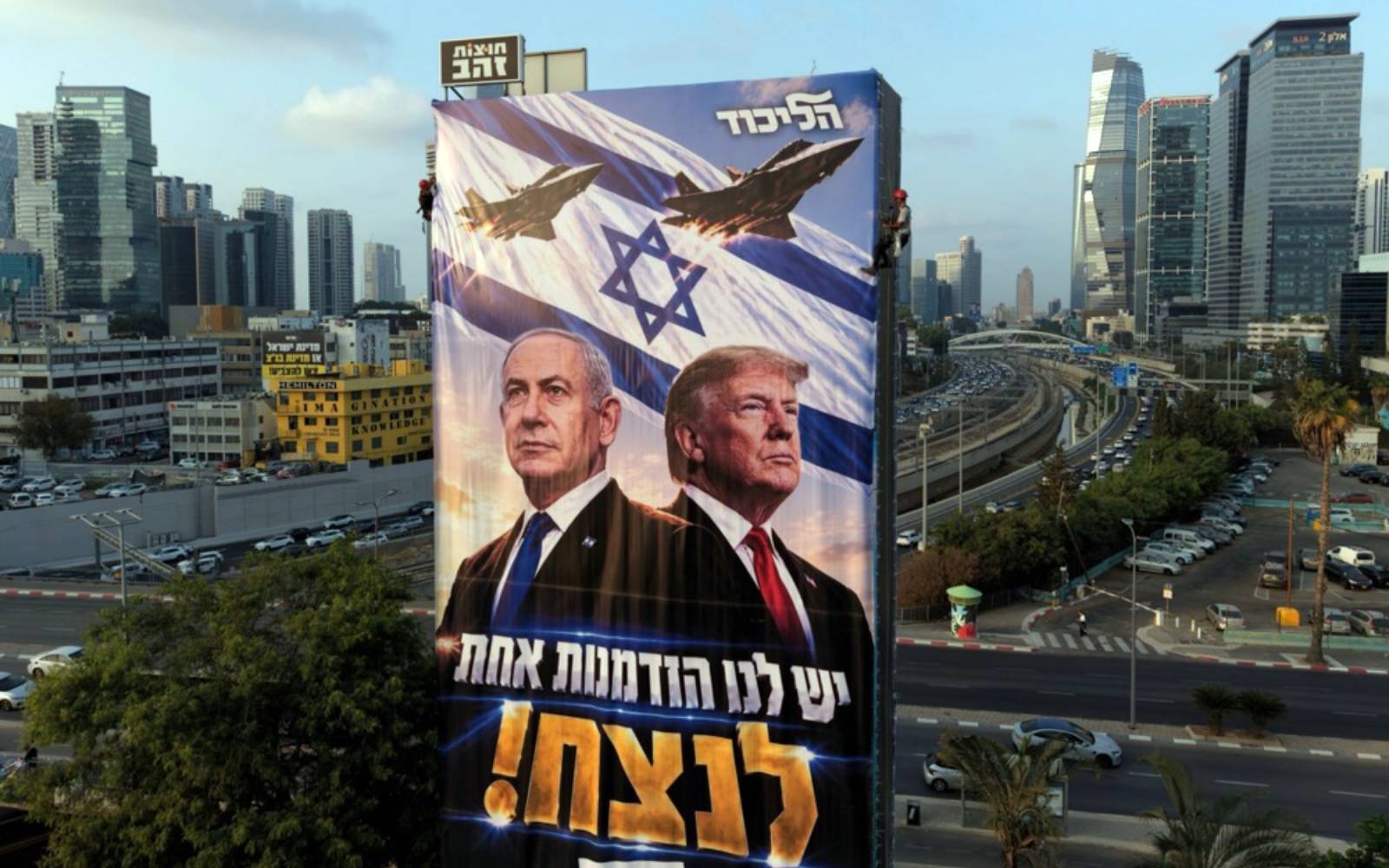
Benjamin Netanyahu, Israel's longest-serving prime minister, is staking his political future on navigating a deeply polarised electoral environment. As the country prepares to vote, the fractured nature of Israeli politics presents both significant challenges and potential opportunities for the nationalist politician to secure a governing coalition.
Netanyahu has demonstrated considerable survival instincts throughout his political career, repeatedly bouncing back from setbacks and reinventing his electoral strategy. His experience in coalition negotiations and understanding of Israel's complex multi-party system position him as a figure capable of assembling a working majority, even in a splintered parliament.
The deepening of nationalist politics within Israeli society has fundamentally reshaped the electoral landscape, creating new alignments among right-wing and far-right parties. These shifts may work in Netanyahu's favour, as like-minded parties could prove more amenable to coalition arrangements with his Likud faction than centrist or left-leaning alternatives.
However, Netanyahu faces mounting complications, including legal pressures and internal party dynamics that complicate his path forward. The outcome of the election will reveal whether his political machinery remains capable of assembling a majority government, or whether the fragmentation of Israeli politics has finally outpaced his renowned tactical abilities.