Politics · India Bureau
Netanyahu faces tough Israeli election test on security record
Benjamin Netanyahu seeks to convert military gains into political victory as Israeli voters prepare for pivotal October 27 polls. The election outcome will largely depend on how voters assess the government's response to the October 7 Hamas attack and subsequent security operations.
LSN India ·
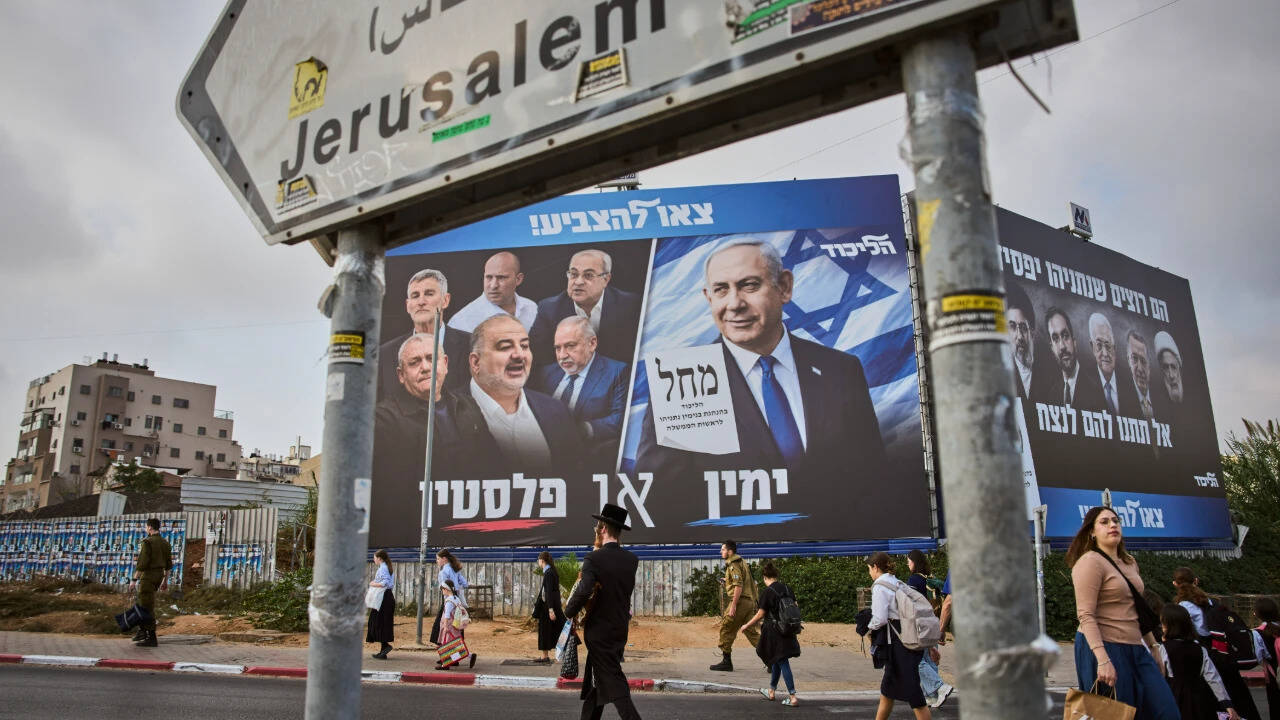
Israeli voters will cast ballots on October 27 in an election that will substantially shape the country's political trajectory and Benjamin Netanyahu's tenure as Prime Minister. Netanyahu's political fortunes remain closely tied to public perception of his administration's handling of security challenges, particularly following the October 7 attack by Hamas that exposed significant intelligence and defensive gaps.
The election has drawn prominent challengers, most notably former military chief Gadi Eisenkot, who has positioned himself as an alternative voice emphasizing military accountability and institutional responsibility. Eisenkot's campaign reflects broader public concerns about leadership performance during the security crisis, with voters weighing Netanyahu's long political experience against calls for a change in governance.
The opposition remains fragmented across multiple factions, presenting both opportunities and complications for coalition formation depending on election results. Netanyahu's ability to form a governing coalition may prove as critical as vote share, given the complexity of Israeli parliamentary politics and the range of ideological positions represented across the political spectrum.
The election represents a crucial inflection point for Israeli politics, where voters will ultimately determine whether recent military operations and security achievements outweigh concerns about the circumstances that preceded them. The outcome will influence not only domestic policy priorities but also Israel's regional standing and approach to ongoing security matters.