World · World News Bureau
Netanyahu Falls Short of Majority, Targets Arab-Israeli Parties
With final election results tallied, Israeli Prime Minister Benjamin Netanyahu lacks the parliamentary seats needed to govern alone. Opposition blocs have signaled they could form a coalition with Palestinian-Israeli parties to challenge his political position.
LSN World News ·
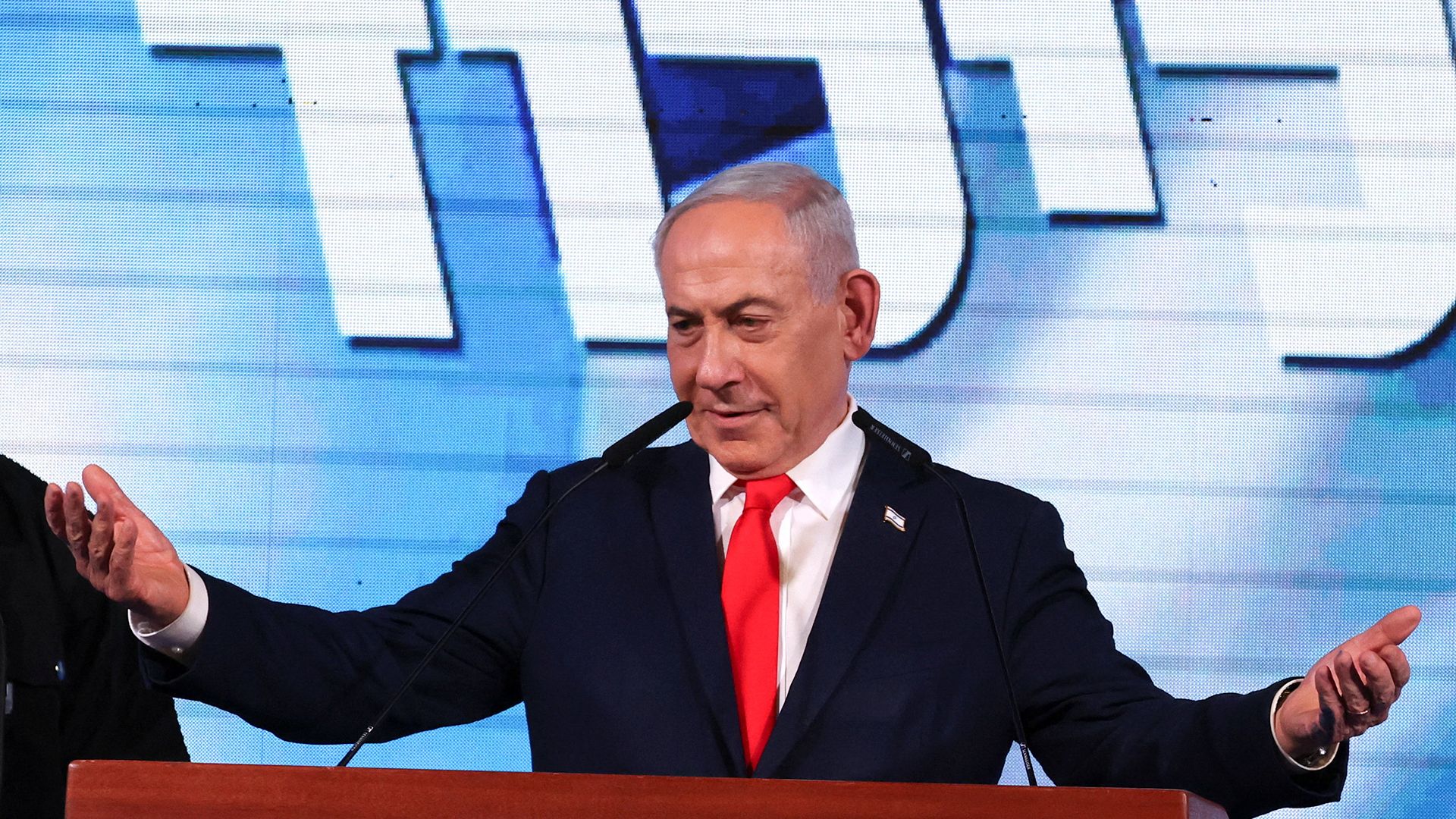
Benjamin Netanyahu's political prospects face significant headwinds following the completion of vote counting in recent Israeli elections, with the prime minister's bloc falling short of the 61-seat majority required to command the Knesset.
Nestled between the government coalition and the opposition, Palestinian-Israeli political parties now hold substantial leverage in determining Israel's next governing arrangement. Netanyahu has launched a rhetorical campaign against these parties, seeking to delegitimize them as potential coalition partners despite their legitimate parliamentary representation.
Opposition factions have already begun exploring the possibility of joining forces with Arab-Israeli representatives to form an alternative government. Such an alliance would mathematically exceed the seats necessary to unseat the current premier and establish a new governing coalition.
The political impasse underscores deepening divisions within Israeli society and the increasingly fractious nature of the country's parliamentary arithmetic. With neither Netanyahu's bloc nor the opposition holding a clear path to governance, the coming weeks are likely to see intensive coalition negotiations that could fundamentally reshape Israel's political landscape.