Politics · Malaysia Bureau
Netanyahu loses key religious party backing as rival Eisenkot positioned to lead
Benjamin Netanyahu's grip on forming Israel's next government has weakened after United Torah Judaism, a crucial religious party, declined to recommend him as prime minister. Political rival Gadi Eisenkot now appears positioned to receive the first opportunity to assemble a coalition.
LSN Malaysia ·
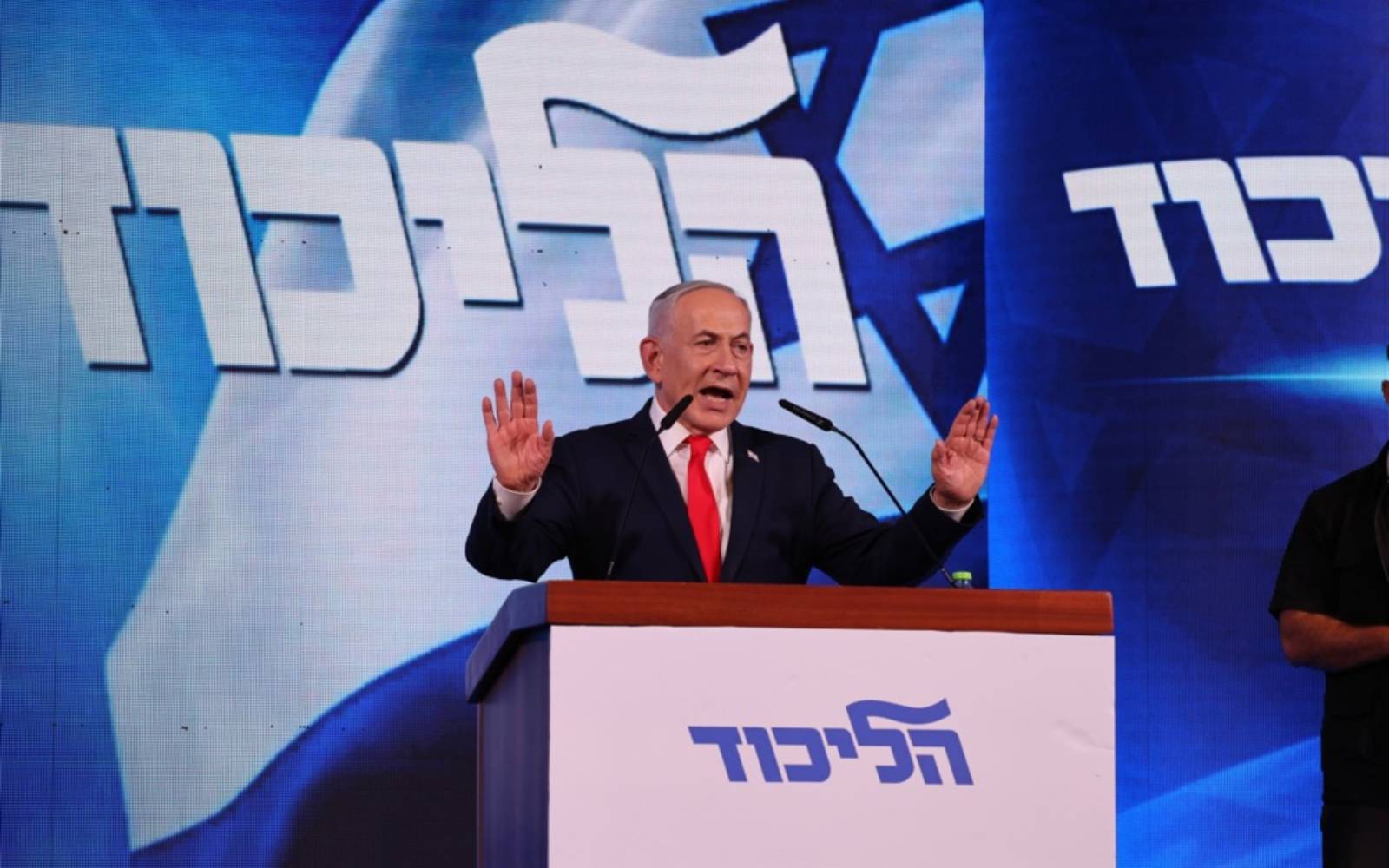
The withdrawal of support from United Torah Judaism represents a significant setback for Netanyahu's political ambitions, as the religious party's recommendation typically carries considerable weight in Israeli coalition negotiations. The party's decision suggests that building a government without Netanyahu may now be possible, opening the door for alternative leadership.
Gadi Eisenkot, a former military chief of staff, has emerged as the frontrunner to receive the presidential mandate to form the next government. His candidacy signals a potential shift in Israeli politics following recent electoral dynamics that have fragmented parliamentary representation.
The development underscores the fractured state of Israeli politics, where no single party commands an outright majority. Coalition-building remains complex, requiring support from multiple factions with competing interests. Religious parties like United Torah Judaism have traditionally been kingmakers in such negotiations, wielding influence disproportionate to their parliamentary numbers.
Netanyahu's loss of this backing indicates that even parties historically aligned with his political bloc may be reconsidering their positions. The timing of United Torah Judaism's announcement reflects ongoing tensions within Israel's political landscape and suggests that discussions between various political players continue to evolve.