World · India Bureau
Netanyahu Proposes Unity Government as Israeli Politics Remain Deadlocked
Israeli Prime Minister Benjamin Netanyahu has proposed forming a unity government that would include Zionist and Haredi parties following recent elections. The move comes as the country's political landscape remains fractured, with Arab parties potentially holding significant influence over coalition negotiations.
LSN India ·
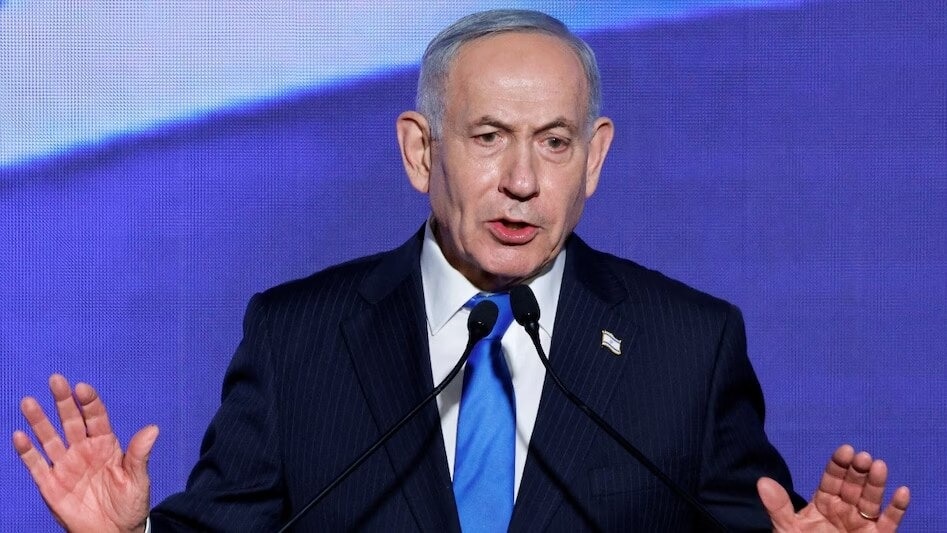
Israeli politics has entered a complex phase following recent elections, with Prime Minister Benjamin Netanyahu moving to consolidate power through a broad coalition framework. Netanyahu's proposal centers on a unity government that would bring together Zionist and Haredi (ultra-Orthodox Jewish) parties under a single administration.
The proposed coalition structure reflects attempts to build a stable majority amid a fragmented parliament. By including both secular-nationalist Zionist parties and religious Haredi factions, Netanyahu aims to construct a governing coalition capable of addressing domestic and international challenges facing the nation.
The inclusion of Arab parties in coalition calculations represents a significant variable in Israeli political mathematics. Traditionally sidelined from governing coalitions, Arab political movements could play a decisive role in determining the final composition of government, potentially extracting policy concessions in exchange for support or abstention from parliamentary votes.
The complexity of Israeli coalition politics, where no single party commands a majority, has long required creative political arrangements. Netanyahu's unity government proposal reflects the reality that building a sustainable majority requires negotiating across ideological and religious divides.
Final negotiations over ministerial portfolios and policy priorities remain ongoing as parties assess the viability of the proposed coalition framework.