Politics · World News Bureau
Netanyahu Rejects Possibility of Government Coalition with Arab Parties
Israeli Prime Minister Benjamin Netanyahu has dismissed the prospect of forming a governing coalition that includes Arab political parties, characterizing such an arrangement as fundamentally unacceptable. The comments underscore deepening divisions within Israeli politics over the composition of potential future governments.
LSN World News ·
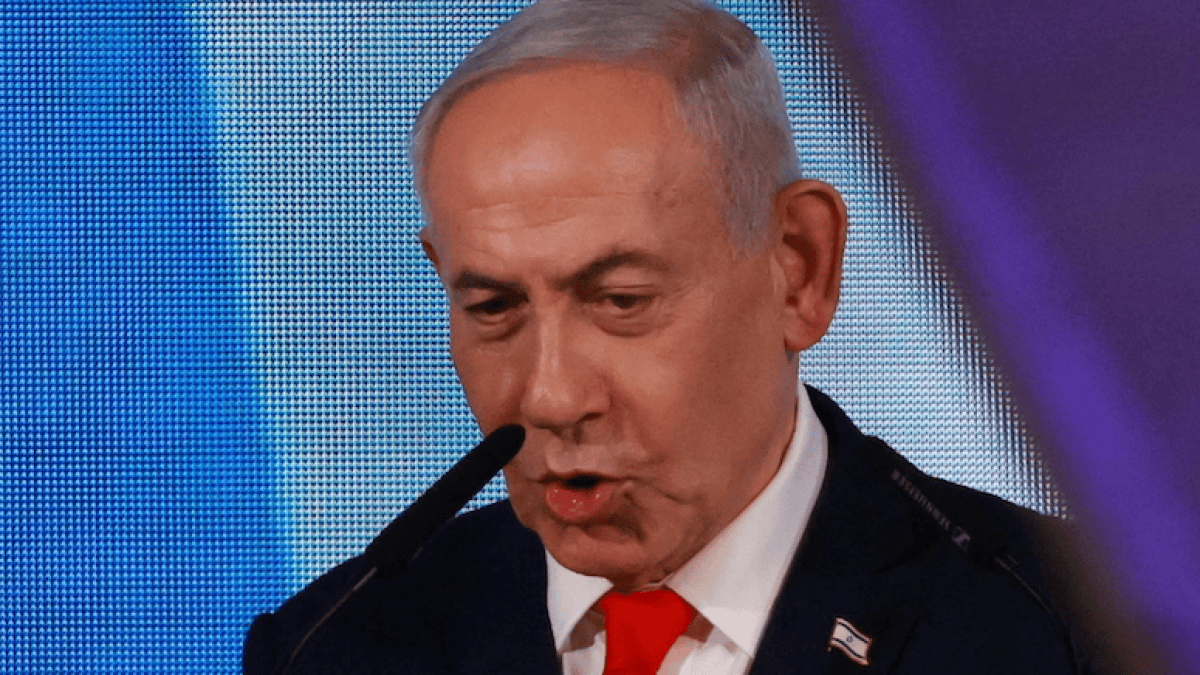
Netanyahu's rejection of potential cooperation with Arab political factions reflects longstanding tensions within Israeli politics regarding the role of minority parties in government formation. The Israeli premier has taken a hardline stance on the matter, describing any such coalition arrangement as contrary to his political principles and the interests of his base.
The Israeli political landscape has become increasingly fractured in recent years, with multiple parties competing for seats in parliament and making coalition negotiations complex. Arab parties, which represent Israel's Arab minority population, have occasionally positioned themselves as potential coalition partners during government formation talks, though they have historically been excluded from governing arrangements.
Netanyahu's comments come amid broader political maneuvering in Israel as various political blocs prepare for potential electoral contests. His categorical rejection of Arab party participation in government reflects the deep ideological divisions that continue to shape Israeli political discourse and coalition-building strategies.
The prime minister's stance has reinforced the existing pattern in which Arab parties remain outside formal governing coalitions, despite their parliamentary representation. Political analysts note that such exclusion has remained consistent across multiple Israeli administrations, regardless of the governing coalition's political composition.