World · India Bureau
Netanyahu Retains Power Despite Election Setback in Israel
Israeli Prime Minister Benjamin Netanyahu's political bloc fell short of an outright majority in recent elections but maintains a viable path to government formation. Meanwhile, opposition leaders face significant obstacles in assembling an alternative coalition.
LSN India ·
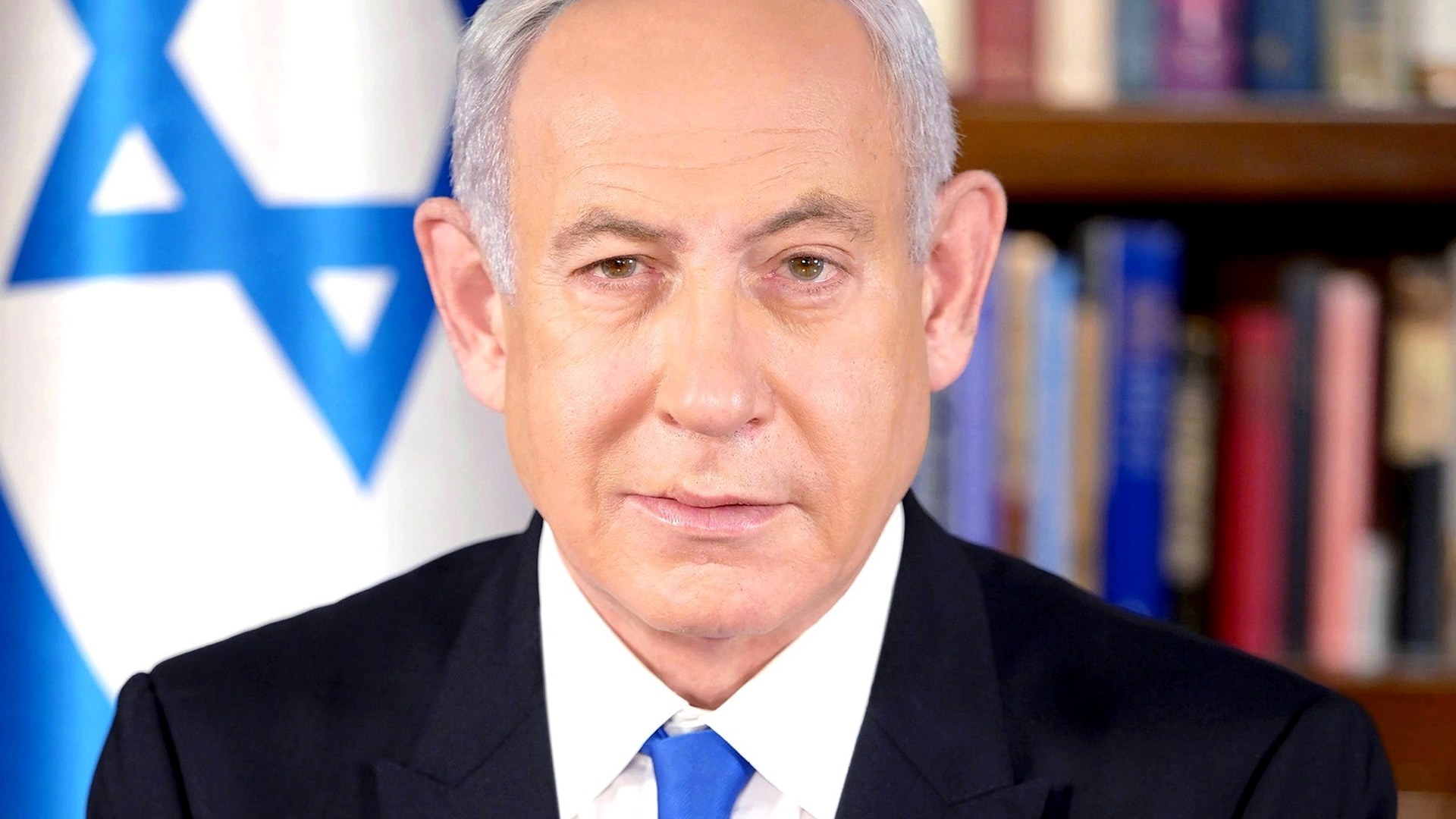
Benjamin Netanyahu appears positioned to retain his grip on Israeli politics despite his electoral bloc losing seats and failing to secure the 61-seat majority required for independent governance. The outcome reflects a complex political landscape where no single faction commands decisive authority.
Netanyahu's right-wing and religious alliance, while weakened, retains sufficient support to potentially form a government through coalition negotiations. The bloc's losses signal voter discontent with current governance, yet the fragmented nature of Israeli politics has limited the opposition's ability to capitalize on this shift.
A competing political camp led by Gadi Eisenkot, a former military chief, similarly struggles with coalition mathematics. Without backing from Arab parties—a politically contentious proposition for right-wing and religious parties—Eisenkot's faction lacks a clear path to assembling a governing majority.
The resulting stalemate underscores Netanyahu's continued significance in Israeli politics. Rather than facing electoral elimination, the prime minister confronts a prolonged negotiation phase where managing coalition partners becomes paramount. Political observers note that while Netanyahu's position has been weakened, opposition forces have not secured a compelling alternative path forward.
Photo: Official portrait of Israeli Prime Minister Benjamin Netanyahu, February 2023. Avi Ohayon / Government Press Office of Israel via Wikimedia Commons (CC BY-SA 3.0).