Politics · India Bureau
Netanyahu's bloc falls short of Israeli parliamentary majority in election
Israeli Prime Minister Benjamin Netanyahu's alliance won 53 seats in the Knesset, failing to secure the 61-seat majority needed to form a government. His rival Gadi Eisenkot's bloc secured 48 seats, with Arab-led parties capturing the remaining 19 seats in the 120-member parliament.
LSN India ·
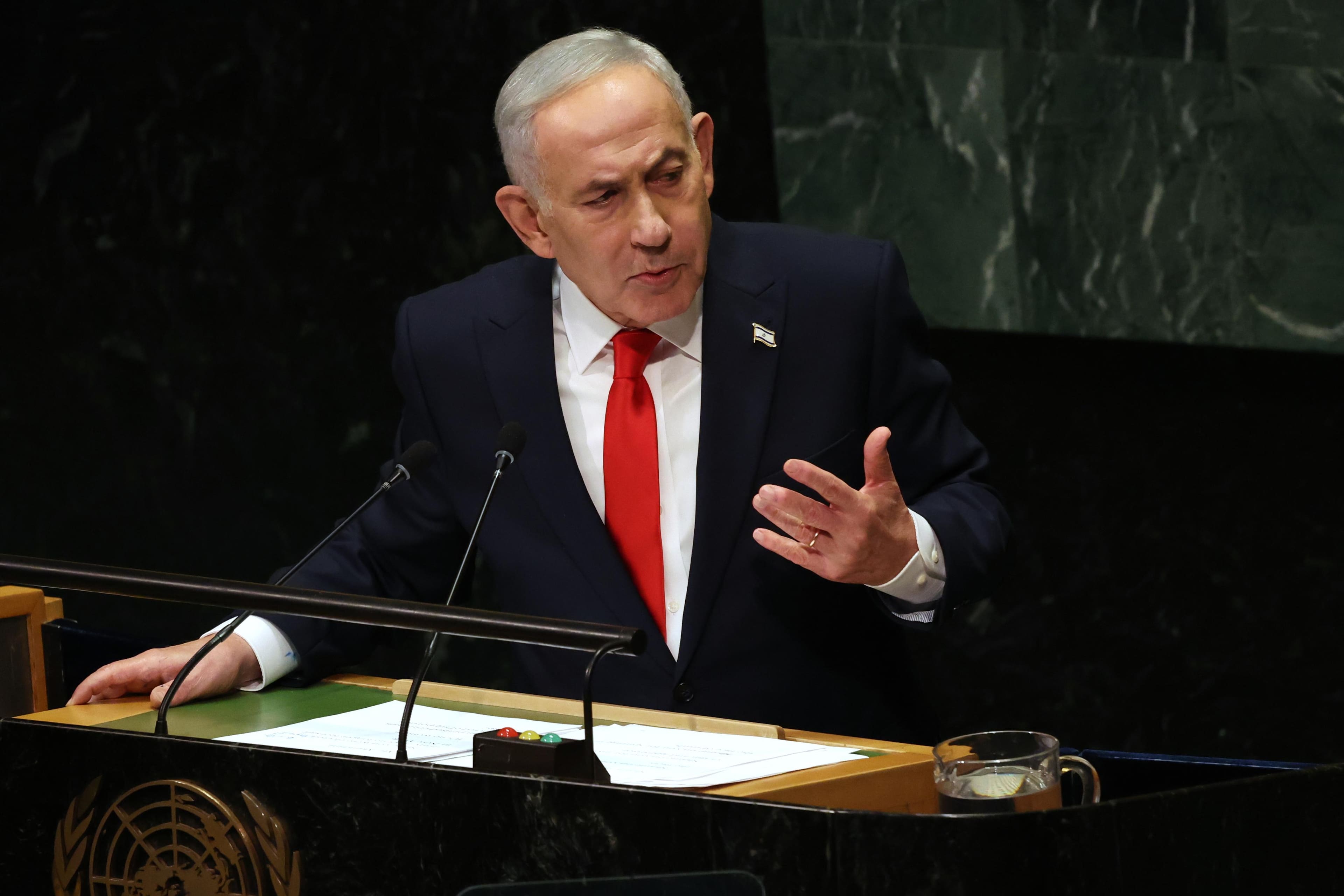
Final election results released early Friday revealed a fractured Israeli parliament with no clear path to government formation. Netanyahu's pro-government bloc captured 53 seats in the Knesset, the Israeli parliament, while Eisenkot's opposition alliance secured 48 seats. A coalition would require at least 61 seats to command a parliamentary majority and form an administration.
The results underscore deepening political divisions in Israel, with two Arab-led parties winning the remaining 19 seats. Neither the Netanyahu bloc nor Eisenkot's alliance can independently reach the threshold required to govern, forcing complex coalition negotiations that could determine Israel's political direction for years to come.
The outcome leaves multiple potential pathways for government formation, though coalition building could prove contentious. Netanyahu would need to negotiate with smaller parties, potentially including the Arab-led factions, to assemble a governing coalition. Eisenkot faces similar constraints, requiring support from parties across the political spectrum to challenge the incumbent prime minister's long hold on power.
With no obvious coalition arithmetic favoring either bloc, Israeli political leaders face weeks of potentially difficult negotiations. The fractured result reflects broader polarization within Israeli society and raises questions about the stability and durability of any government that emerges from the post-election bargaining process.