World · India Bureau
Netanyahu's coalition falls short of majority in Israeli election
With all votes counted in Israel's recent parliamentary elections, Prime Minister Benjamin Netanyahu's political bloc has failed to secure an outright majority, complicating efforts to form a government. The results leave the country in a period of political uncertainty as negotiations begin among various parties.
LSN India ·
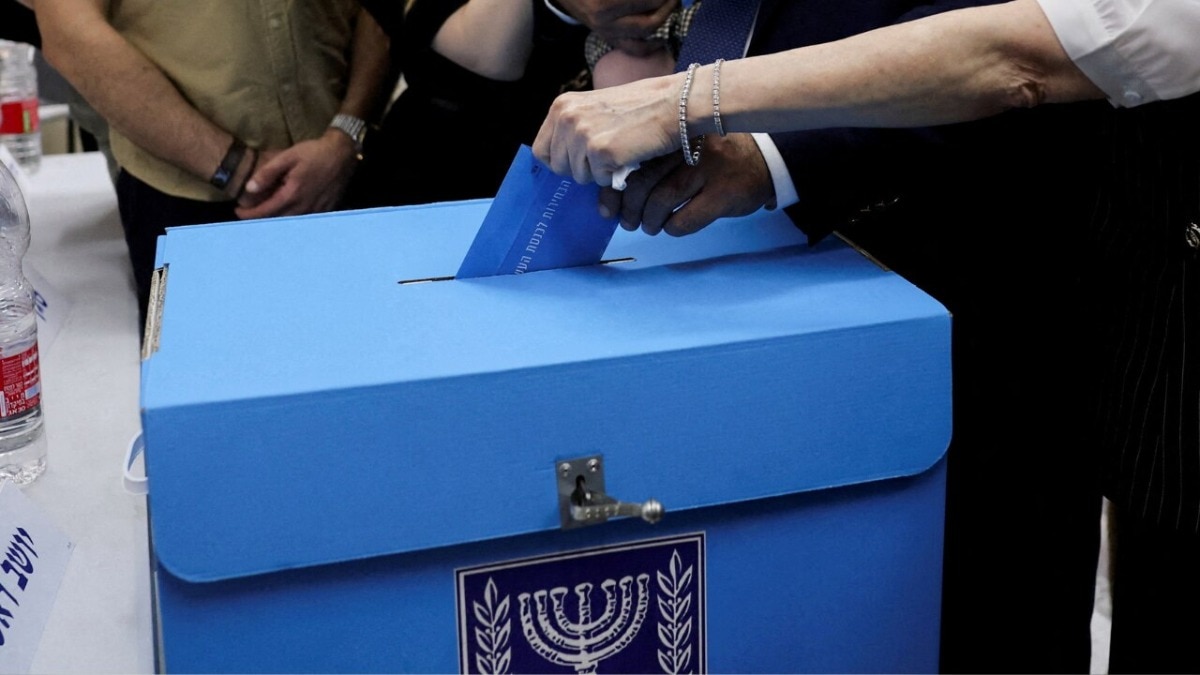
Complete tallying of ballots from Israel's election has confirmed that Netanyahu's right-wing and religious coalition partners have not achieved the 61 seats required for a majority in the 120-seat Knesset. The outcome necessitates complex coalition negotiations as the country seeks to establish a new governing arrangement.
The election results represent a significant challenge for Netanyahu, who has faced mounting political pressures in recent months. Without a clear majority, the formation of a stable government will require careful political maneuvering and potentially contentious compromises with various parliamentary blocs.
Political analysts note that the fragmented election results reflect deepening divisions within Israeli society on key policy questions. The coming weeks will prove critical as party leaders attempt to negotiate a viable coalition capable of addressing pressing national issues including security concerns and economic policy.
Israeli political tradition requires coalition partners to agree on a shared governing agenda before formally taking office. The current parliamentary composition suggests that multiple rounds of negotiations may be necessary before a functioning government can be established. International observers will be monitoring developments closely, given the implications for regional stability and Israel's domestic governance.