Politics · World News Bureau
Netanyahu's decade-long tenure reshapes Israel's political landscape
As Israel prepares for elections, Prime Minister Benjamin Netanyahu seeks another term after fundamentally altering the country's institutional framework. The polarizing leader's tenure has left a lasting mark on Israel's governance structures and political culture.
LSN World News ·
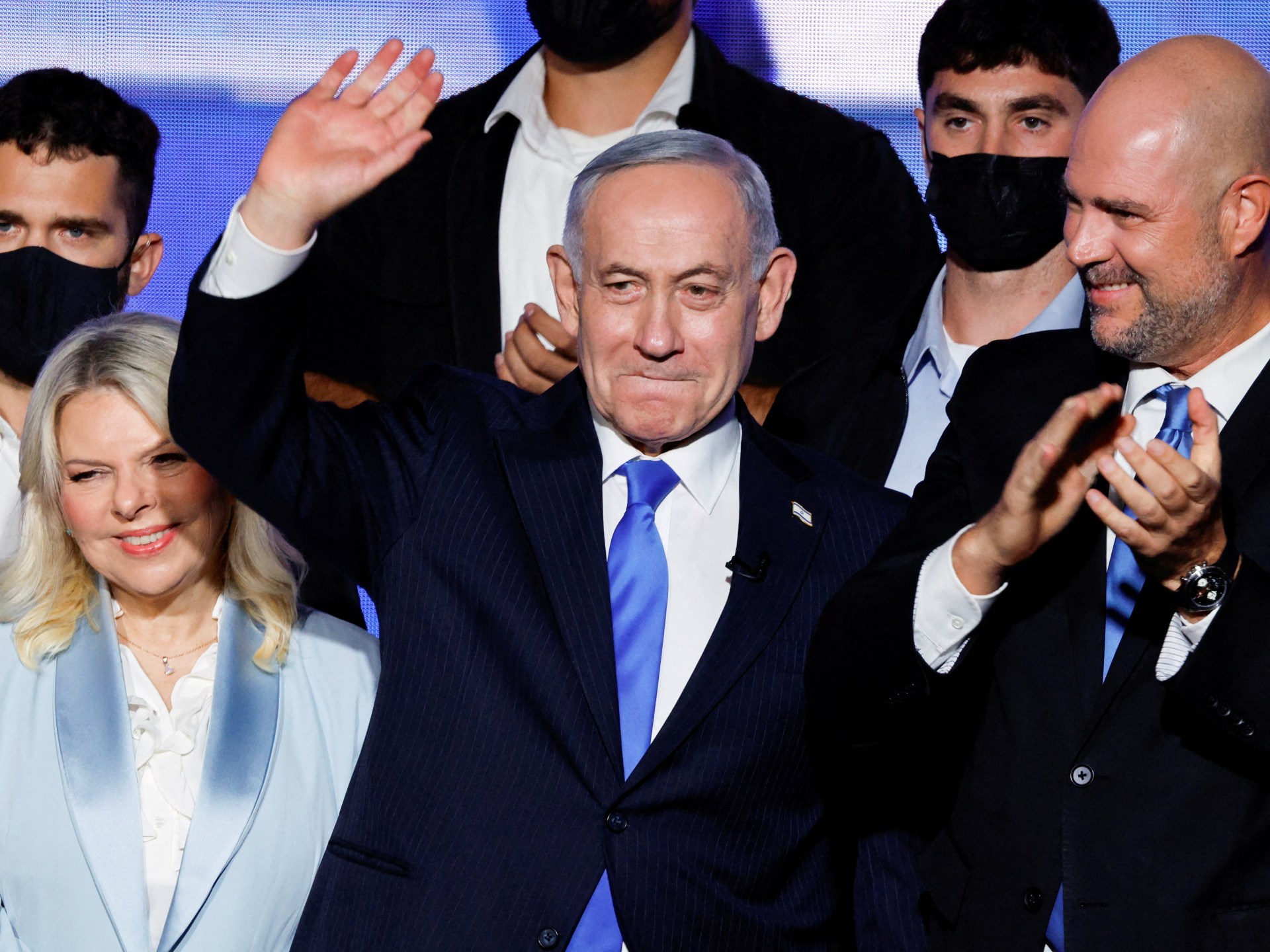
Benjamin Netanyahu's extended period as Israel's prime minister has produced significant changes to the nation's institutional architecture, influencing everything from judicial oversight to executive authority. His tenure has sparked intense debate among Israelis about the balance of power within government and the independence of key oversight bodies.
The veteran politician's approach to governance has consolidated executive authority while simultaneously drawing criticism from those who argue his policies have weakened institutional checks on prime ministerial power. These structural shifts have become central issues in contemporary Israeli political discourse, with supporters crediting his leadership for decisive governance and opponents expressing concerns about democratic safeguards.
As Netanyahu campaigns for re-election, his record of institutional reform remains a focal point of public discourse. The electoral contest reflects broader divisions within Israeli society regarding the appropriate distribution of governmental power and the role of institutions in maintaining democratic accountability.
The outcome of the elections will likely determine whether Netanyahu's institutional changes remain permanent features of Israel's political system or become subject to reversal by successor administrations. His political future consequently carries implications extending beyond individual leadership to the fundamental structure of Israeli governance itself.