World · World News Bureau
Netanyahu's interim powers reshape Israeli political landscape amid gridlock
As Israel grapples with political stalemate, Prime Minister Benjamin Netanyahu operates under caretaker authority that grants him significant control over security matters and strategic decision-making. The interim arrangement has enabled him to influence the country's trajectory while rivals remain sidelined.
LSN World News ·
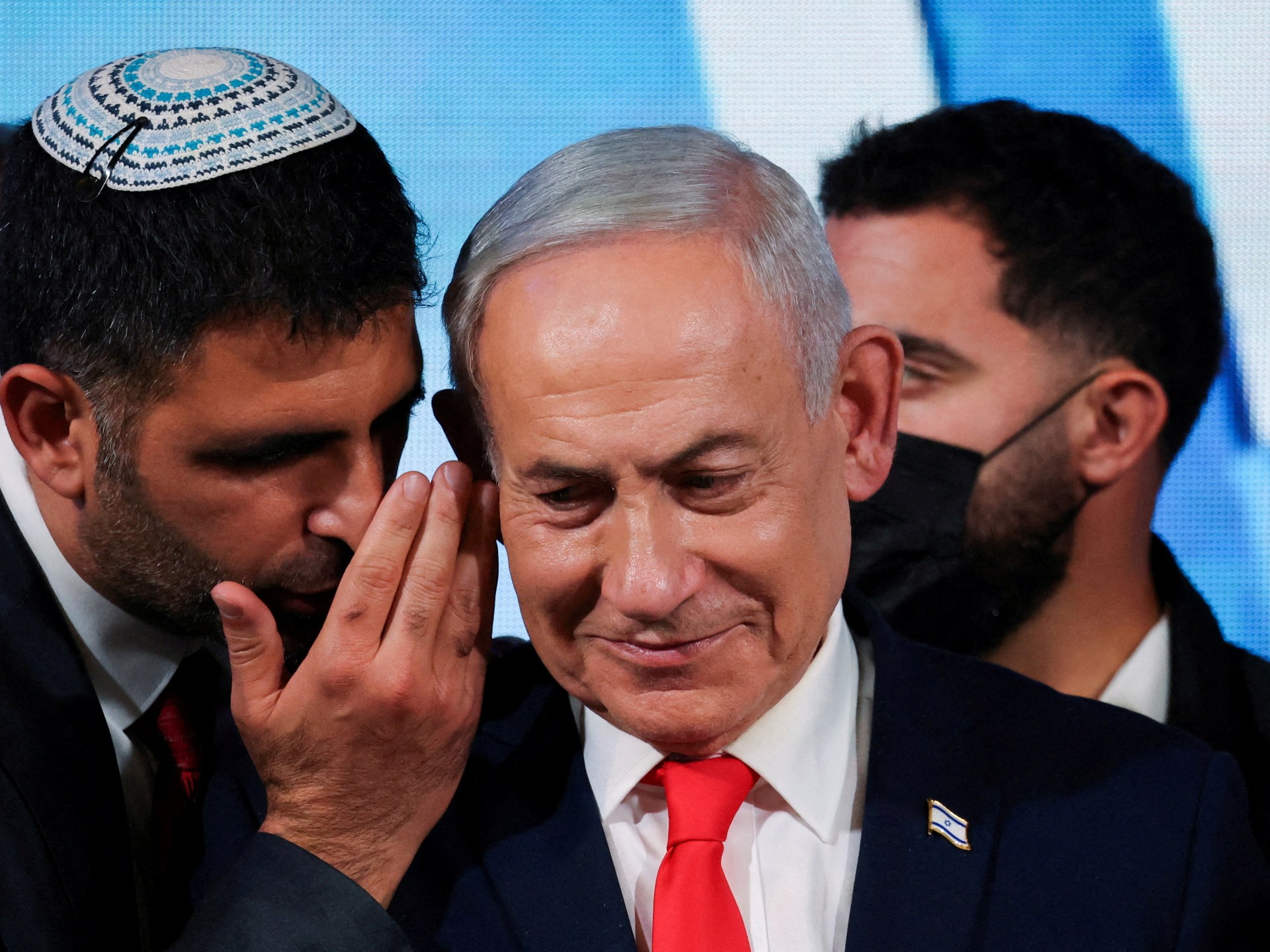
Israel's interim government structure has allowed Netanyahu to exercise broad executive authority during a period of political uncertainty. Under caretaker protocols, the prime minister retains command over security operations and key ministerial functions, positioning him as the dominant force in shaping national policy during the deadlock.
The interim arrangement grants Netanyahu particular latitude in military and defense matters, areas traditionally central to Israeli governance. This expanded scope has effectively consolidated his influence at a moment when formal coalition negotiations have stalled, giving him considerable latitude to direct security strategy and diplomatic initiatives without the constraints typically imposed by coalition partners.
The caretaker structure also restricts certain governmental functions and prevents major new legislation from being enacted, creating a peculiar dynamic where Netanyahu holds operational control while remaining constrained in other policy domains. This balance has effectively disrupted the political ambitions of rival factions who find themselves unable to mount effective challenges during the interim period.
Political observers note that the interim framework reflects broader tensions within Israel's coalition system, where caretaker governments have become increasingly common in recent years. Netanyahu's use of interim powers underscores how temporary arrangements can become strategically significant tools in Israel's contentious political environment.