Politics · World News Bureau
Netanyahu's polarizing tenure reshapes Israeli political landscape
As Israel prepares for electoral contests, Prime Minister Benjamin Netanyahu's most significant domestic impact may be the fragmented right-wing opposition he has cultivated during his long tenure. The fractious conservative movement reflects deep divisions over Netanyahu's leadership and vision for the country's future.
LSN World News ·
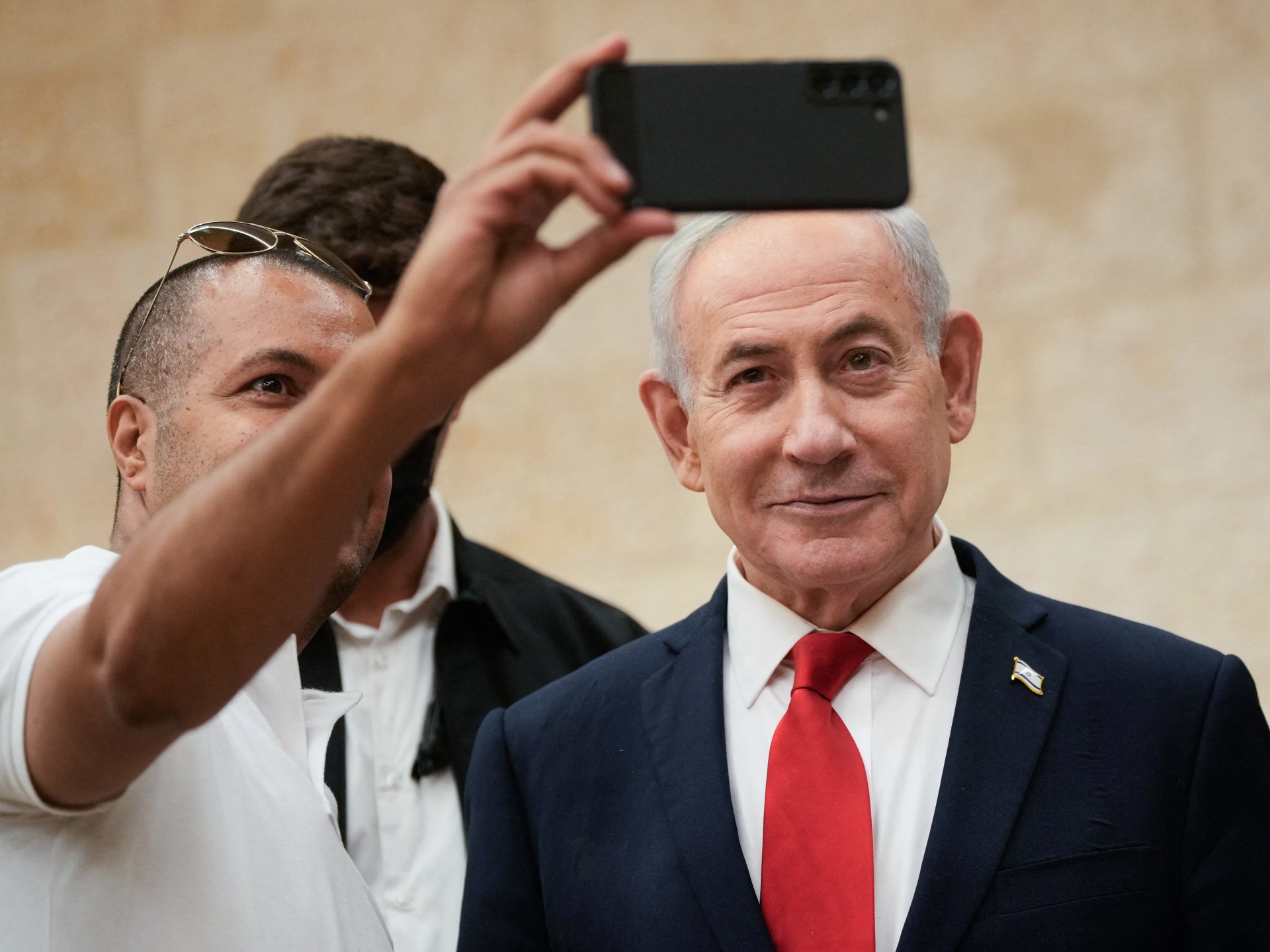
Benjamin Netanyahu's extended time in office has fundamentally altered Israel's political terrain, creating a complex web of competing conservative factions that challenge his continued dominance. Rather than consolidating right-wing support behind his leadership, the prime minister has inadvertently fostered divisions within the traditional constituencies that once formed his political base.
The emergence of rival right-wing movements and splinter groups reflects growing tensions over Netanyahu's approach to governance, judicial reform initiatives, and his handling of security matters. These competing conservative voices have fragmented what was previously a more unified bloc, forcing Netanyahu to navigate an increasingly complex coalition landscape.
The political fracturing extends beyond simple disagreements on policy, encompassing personal rivalries and competing visions for Israel's direction. Some conservative figures have positioned themselves as alternatives to Netanyahu's leadership, arguing for different approaches to key national issues.
As electoral cycles continue, Netanyahu faces the paradox of his legacy: while maintaining significant influence, he has reshaped the opposition landscape in ways that may constrain his political future. The divisions he has helped create within the right-wing camp suggest that Israeli politics has entered a new phase of realignment, with consequences that extend far beyond his own political fortunes.