World · India Bureau
Netanyahu's Political Survival Reshapes Israeli Coalition Politics
Israeli Prime Minister Benjamin Netanyahu has maintained political dominance not through decisive victories but by avoiding outright defeat, fundamentally altering the country's coalition-building dynamics. Future governing alliances in Israel are increasingly likely to exclude Arab citizens from meaningful participation.
LSN India ·
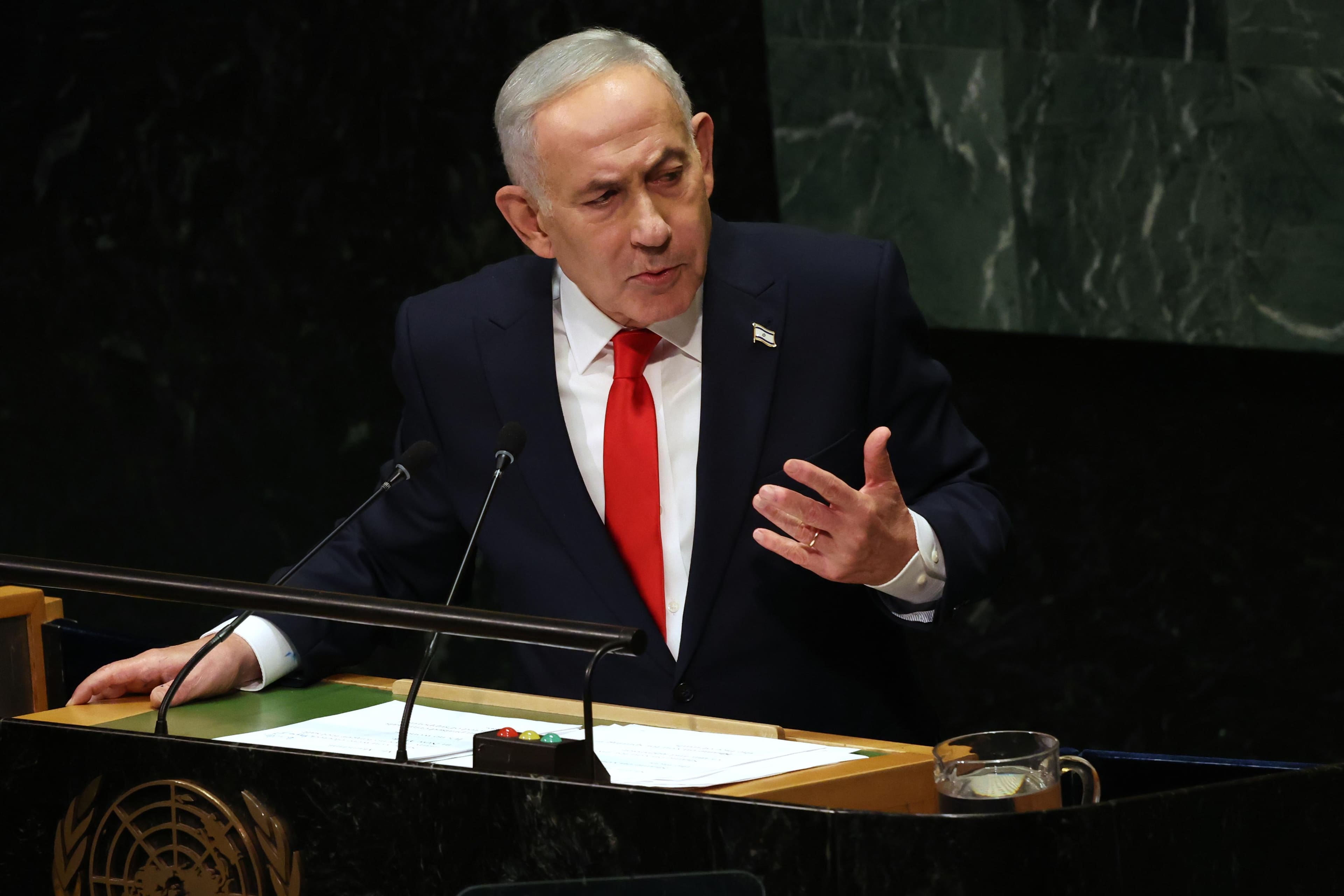
Benjamin Netanyahu's continued grip on Israeli politics reflects a paradox: his endurance stems less from sweeping electoral mandates than from his ability to prevent opposition forces from coalescing into a decisive challenge. This survival strategy has reshaped the political landscape in ways that extend far beyond individual electoral cycles.
The Prime Minister's political model has progressively transformed how Israeli coalitions are constructed. Rather than building broad-based governing arrangements that traditionally included diverse constituencies, the emerging pattern favors alliances explicitly designed to exclude Arab Israeli citizens from political influence. This represents a significant departure from earlier coalition practices that, while often contentious, maintained theoretical participation pathways for minority communities.
Netanyahu's resilience has incentivized right-wing and religious parties to adopt increasingly exclusionary positions, calculating that such stances strengthen their standing within viable coalition mathematics. Parties seeking to govern must now navigate calculations that treat Arab participation as a political liability rather than an option for coalition-building.
This structural shift has consequences beyond immediate parliamentary arrangements. By normalizing coalitions built on exclusionary principles, Israeli politics has undergone fundamental realignment. Future governments, regardless of which party leads them, inherit a political framework where marginalization of Arab citizens is embedded in coalition viability, potentially entrenching divisions that transcend individual administrations.