Technology · India Bureau
Neuroscientist Argues Consciousness Rooted in Body's Physical Signals
Renowned researcher Antonio Damasio contends that human consciousness emerges from bodily sensations and emotional responses rather than pure thought. His work challenges assumptions about artificial intelligence and what it means to truly feel and think.
LSN India ·
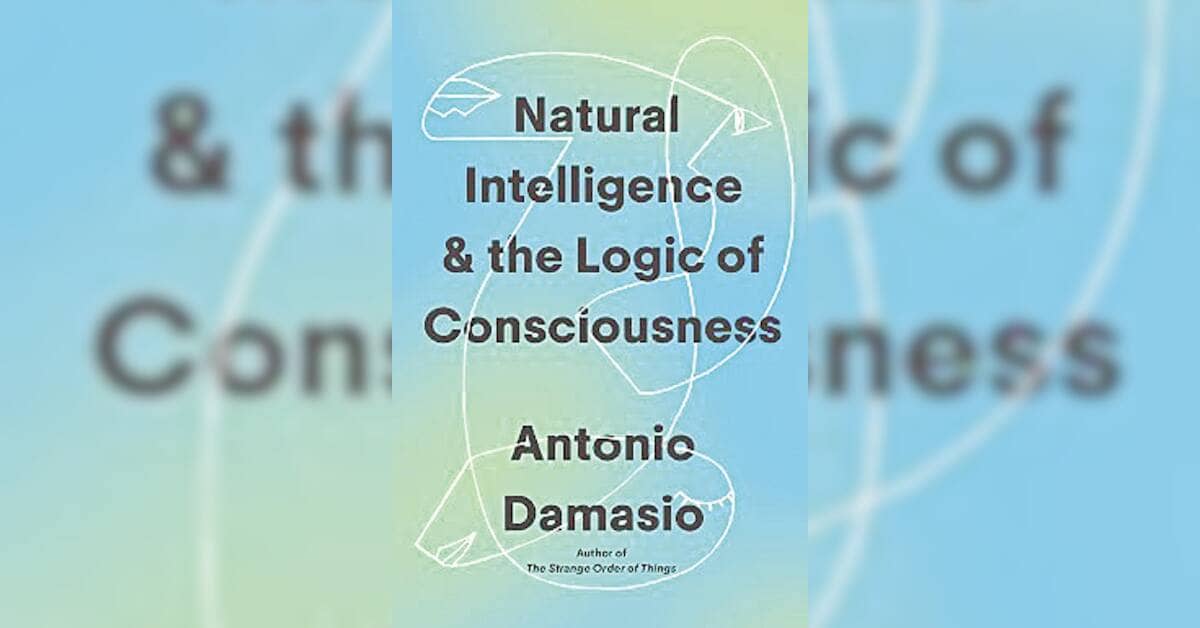
A prominent neuroscientist has reignited debates about the nature of consciousness by arguing that the body's physical signals—not abstract reasoning—form the foundation of human awareness and emotion. According to this framework, consciousness is inseparable from our vulnerability and capacity to experience sensations, a distinction that carries profound implications for efforts to develop thinking machines.
The research draws on decades of neurological studies demonstrating that bodily states, feelings, and physiological responses shape how humans perceive themselves and their surroundings. This perspective challenges the notion that consciousness is primarily a function of the brain in isolation, instead positioning the entire organism as central to how we think and feel.
These findings introduce significant questions for artificial intelligence development. If consciousness depends on embodied experience and physical sensation—elements machines cannot authentically replicate—then creating genuinely conscious artificial systems may require more than sophisticated algorithms and data processing. The implications extend beyond technology, touching on fundamental philosophical questions about what distinguishes human experience from mechanical computation.
The work reflects a growing scientific consensus that understanding consciousness requires examining the complex interplay between mind and body, emotion and reason. As technology advances, these insights suggest that replicating human-like awareness may demand fundamentally different approaches than current AI development strategies employ.