Sport · World News Bureau
Neuroscientists win Nobel Prize for breakthrough in emotion research
Three researchers have been awarded the Nobel Prize in Physiology or Medicine for developing groundbreaking techniques that reveal how nerve cells control emotions and behavior. The honor recognizes decades of work establishing the fundamental links between brain activity and psychological responses.
LSN World News ·
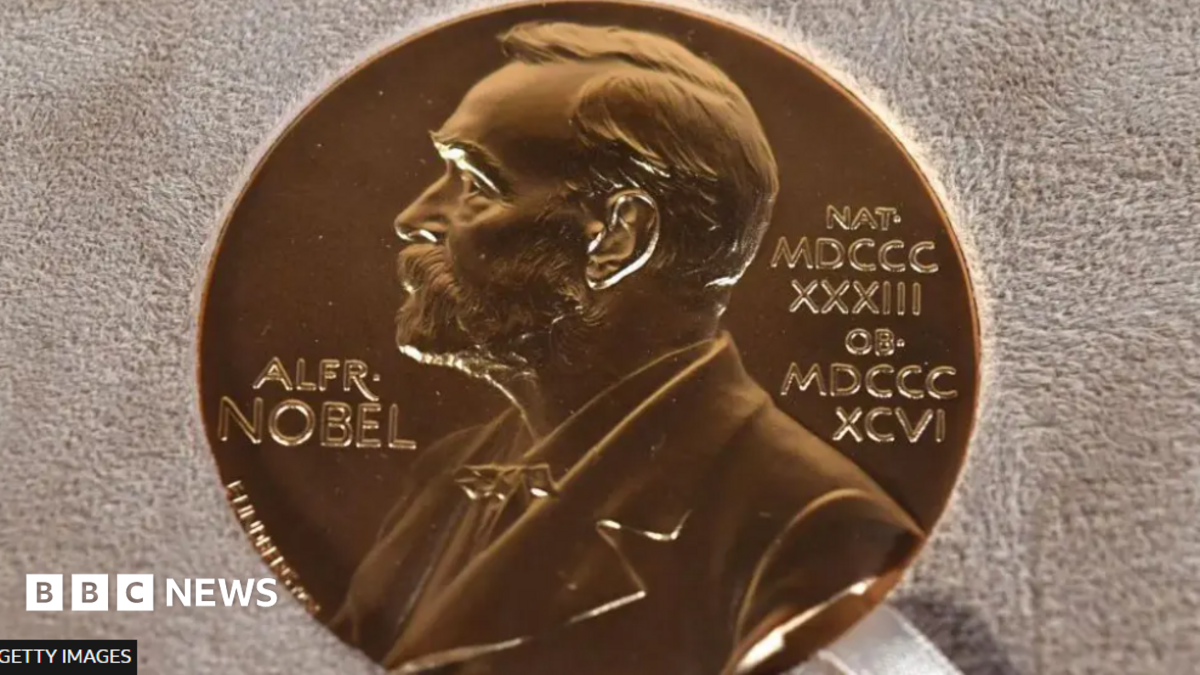
Karl Deisseroth of the United States, along with German scientists Peter Hegemann and Georg Nagel, have been named recipients of this year's Nobel Prize in Physiology or Medicine for their contributions to understanding how neurons shape emotional responses.
The trio's work focused on optogenetics, a revolutionary technique that allows researchers to control specific nerve cells using light. This innovation has transformed neuroscience by enabling scientists to examine with unprecedented precision how individual neurons influence mood, fear, motivation, and other emotional states.
Deisseroth, a psychiatrist and neurologist, developed practical applications of optogenetics while Hegemann and Nagel discovered the light-sensitive proteins that made the technology possible. Their combined efforts have provided crucial insights into the neural mechanisms underlying emotions and behavior.
The breakthrough has far-reaching implications for understanding psychiatric and neurological conditions. Researchers worldwide now employ optogenetics to investigate how disruptions in neural circuits contribute to depression, anxiety, and other mental health disorders, potentially paving the way for new therapeutic approaches.
The Nobel Prize recognizes fundamental discoveries that have reshaped modern neuroscience and opened new avenues for treating disorders affecting millions globally. The award underscores the international collaborative nature of scientific advancement and the enduring value of basic research into brain function.