Culture & Entertainment · India Bureau
New Analysis Examines Punjab's Complex Regional Identity and Internal Divisions
A comprehensive examination of Punjab's transnational connections and internal socio-religious diversity offers fresh perspectives on the region's evolving character. The analysis challenges conventional understandings by highlighting how cross-border ties and community heterogeneity shape Punjab's contemporary trajectory.
LSN India ·
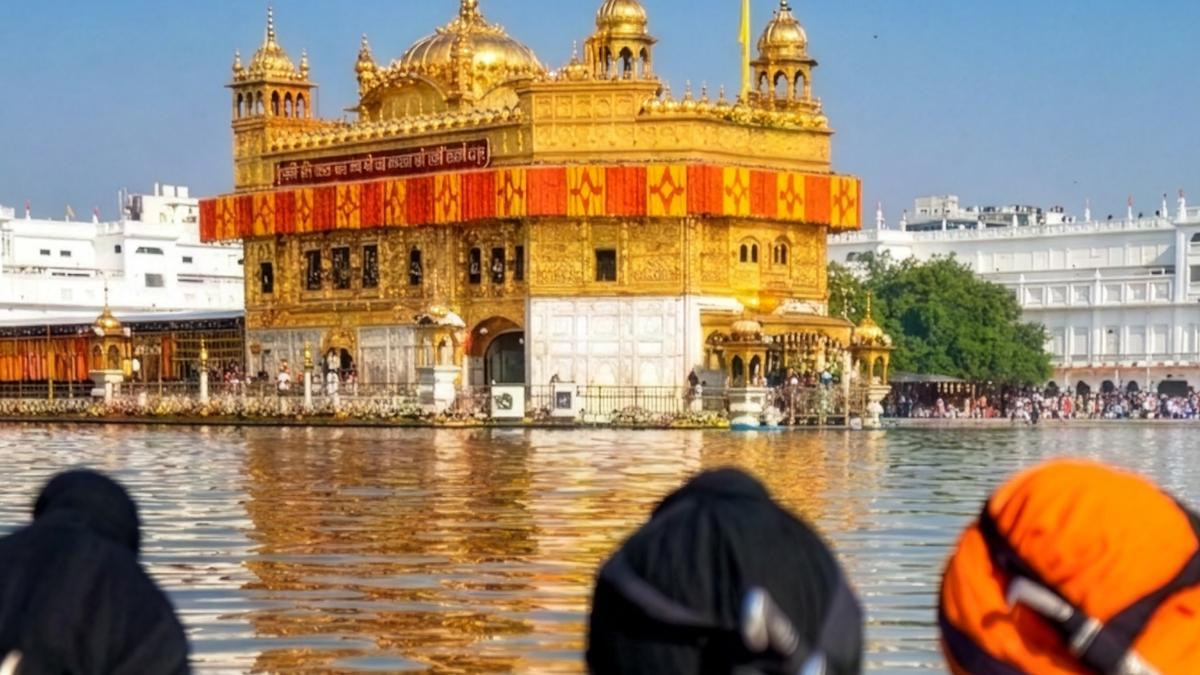
Punjab's identity and future trajectory are increasingly defined by intricate transnational relationships and significant internal socio-religious complexities, according to a detailed regional analysis. The examination repositions Punjab not as a monolithic entity but as a dynamic space where multiple communities, traditions, and cross-border connections intersect and influence each other.
The analysis underscores how the region's character cannot be understood through conventional territorial or political frameworks alone. Instead, Punjab's development and social fabric are shaped by deep connections spanning multiple nations, as well as by substantial differences in religious composition, cultural practices, and community aspirations within the region itself.
These transnational dimensions extend beyond historical ties, encompassing contemporary economic, cultural, and social networks that link Punjabi communities across borders. Simultaneously, internal heterogeneities challenge monolithic regional narratives and highlight the necessity of recognizing diverse perspectives within Punjab's own boundaries.
The reassessment provides scholars, policymakers, and observers with a more nuanced framework for comprehending the region's current challenges and opportunities. By acknowledging both external linkages and internal pluralism, this approach offers insights into how Punjab navigates its distinct position within broader South and Southeast Asian geopolitical contexts.