World · India Bureau
New Celestial Discovery Reignites Pluto Planet Debate
The identification of a distant object designated 2026 ED138 has prompted renewed discussion about planetary classification, though it does not alter Pluto's status or the International Astronomical Union's official definition of a planet.
LSN India ·
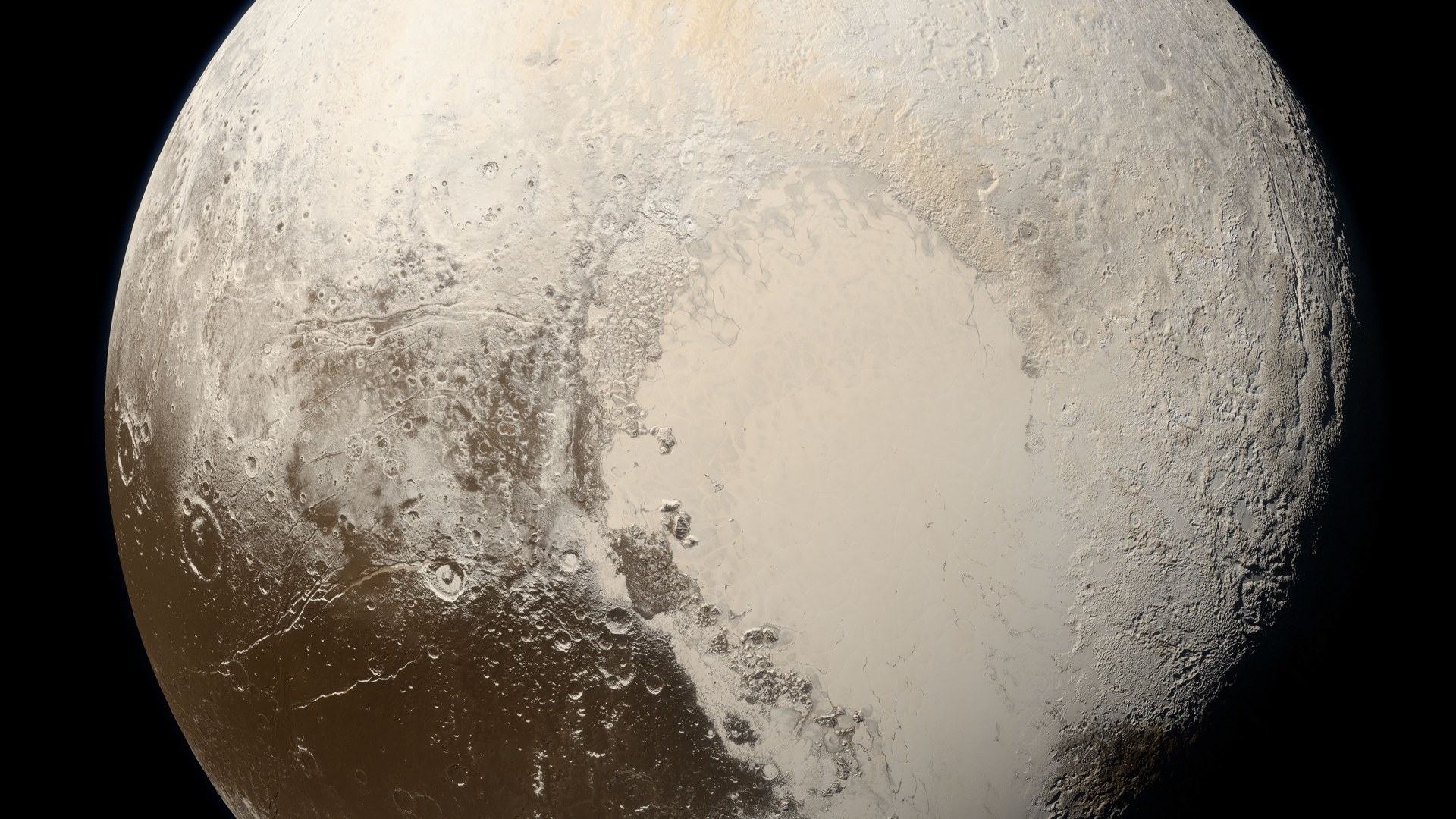
The discovery of the distant celestial object 2026 ED138 has rekindled longstanding debate within the astronomical community about how planets are classified and whether Pluto deserves reinstatement as a full planet. Since Pluto's controversial demotion in 2006, when the International Astronomical Union established stricter criteria for planetary status, the dwarf planet has remained a subject of scientific and public interest.
Pluto lost its planetary designation after the IAU introduced a formal definition requiring celestial bodies to meet three conditions: they must orbit the sun, possess sufficient mass to achieve hydrostatic equilibrium, and clear their orbital neighbourhoods of other debris. Pluto fails the third criterion, as its orbital zone contains numerous other icy bodies in the Kuiper Belt.
The newly discovered object 2026 ED138, located in the distant reaches of the solar system, has contributed to ongoing discussions about the adequacy of current planetary classification systems. However, astronomical authorities have confirmed that this discovery does not necessitate any revision to the established planetary definition or alter Pluto's classification as a dwarf planet.
Scientists continue to study such discoveries to better understand the architecture of the outer solar system and the formation history of planetary bodies. The debate surrounding Pluto's status reflects broader questions within astronomy about how best to categorise diverse objects in our cosmic neighbourhood, even as the official criteria established nearly two decades ago remain the governing standard.
Photo: Pluto in true colour, imaged by NASA's New Horizons spacecraft, 14 July 2015. NASA/Johns Hopkins University Applied Physics Laboratory/Southwest Research Institute via Wikimedia Commons (public domain).