World · India Bureau
New Delhi reaffirms its position on Indus Waters Treaty talks
India has signalled it will not shift from its established stance on the contentious Indus Waters Treaty, maintaining its demands as negotiations continue with Pakistan over the shared river system.
LSN India ·
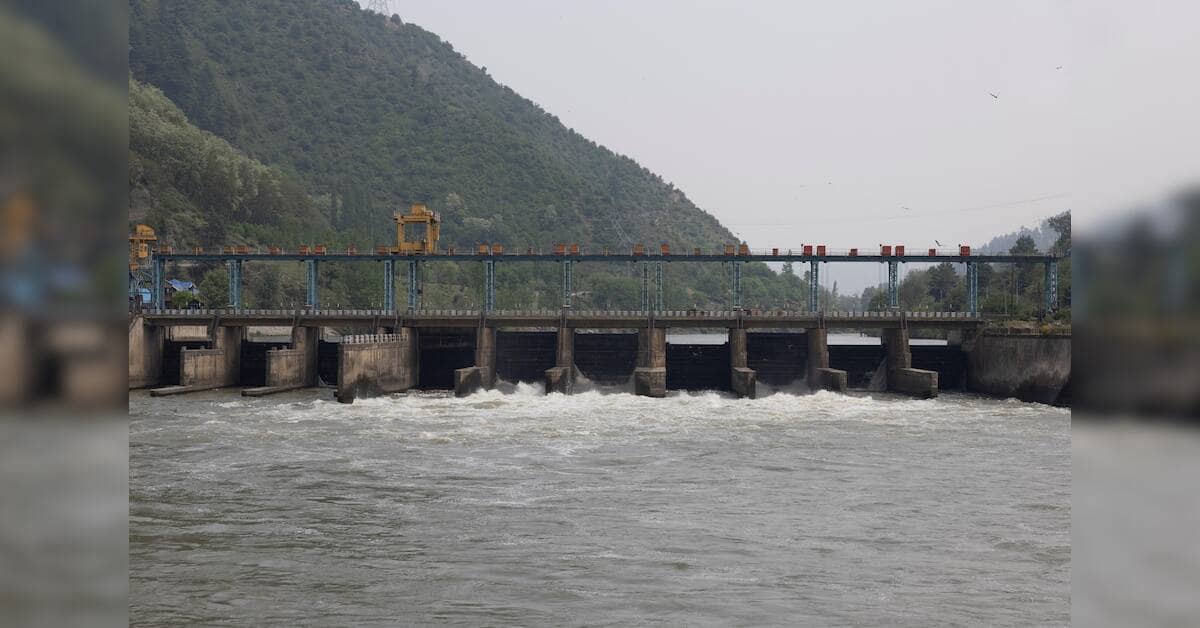
India has reiterated that its position regarding the Indus Waters Treaty remains firm, with no indication of movement on key issues under discussion. The statement comes as bilateral talks on the management of the Indus River system continue between New Delhi and Islamabad, with both nations seeking to resolve longstanding disagreements over water-sharing arrangements.
The Indus Waters Treaty, signed in 1960 and considered one of the world's most successful international water-sharing agreements, has provided a framework for cooperation between the two countries for over six decades. However, tensions have periodically emerged over the implementation of its various provisions, particularly regarding the construction of dams and hydroelectric projects.
Official sources indicated that India's negotiating stance is grounded in its interpretation of the treaty's existing terms and its development needs. The country has consistently maintained that its plans for infrastructure projects on the Indus and its tributaries are aligned with the treaty's stipulations.
Pakistan has raised concerns about certain Indian projects, arguing they could affect water flows and impact communities downstream. The two nations have historically relied on the World Bank as a mediator in disputes, a mechanism that remains available should differences escalate.
Experts suggest that both countries have limited room for compromise on fundamental positions, though dialogue channels remain open. The treaty's framework continues to guide bilateral water management, even as modern pressures from climate change and development needs test the agreement's flexibility.