World · Singapore Bureau
New Delhi's air quality plummets to hazardous levels following Diwali celebrations
The Indian capital's air pollution reached dangerous concentrations in the days after Diwali festivities, with toxic readings exceeding international health standards by more than 50 times in certain areas.
LSN Singapore ·
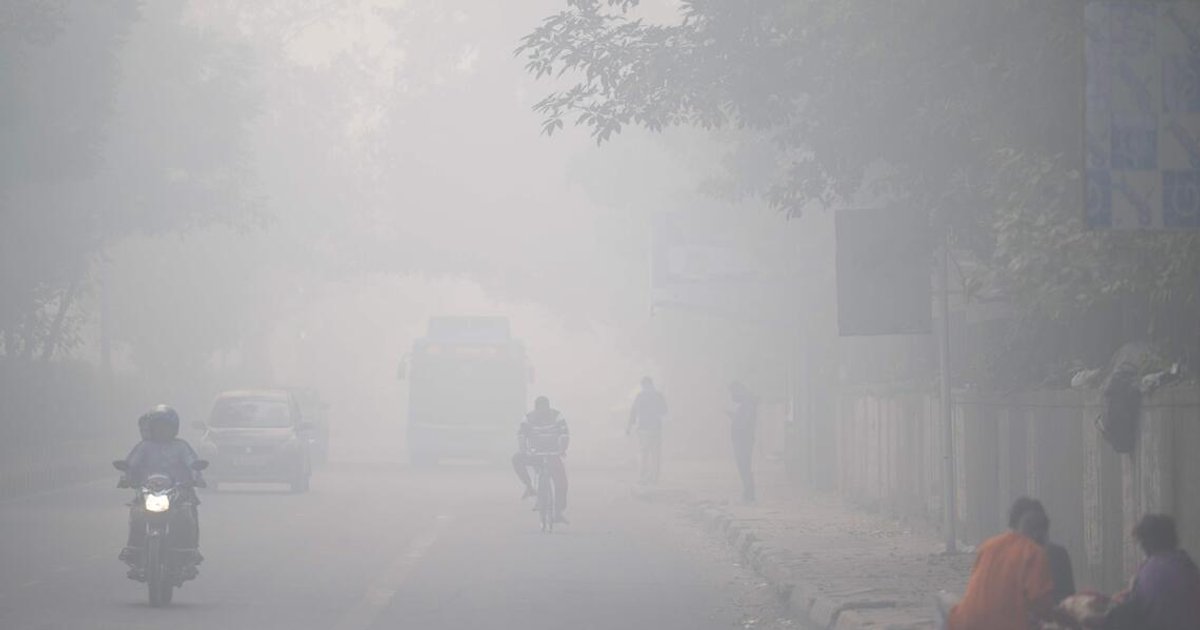
New Delhi grappled with hazardous air quality conditions in the aftermath of Diwali celebrations, as the annual festival's widespread use of fireworks contributed to a sharp deterioration in atmospheric conditions across the metropolitan region. Monitoring stations recorded pollution levels that surged far beyond safe thresholds, with some localities registering concentrations exceeding 58 times the World Health Organization's recommended daily exposure limits.
The capital's air quality index reached critical levels during the festival period, prompting health advisories for vulnerable populations including children, the elderly, and those with respiratory conditions. Visibility in several districts was significantly reduced, affecting transportation and daily activities across the sprawling city.
The seasonal spike in Delhi's pollution levels during and after Diwali has become a recurring environmental challenge, compounded by factors including vehicular emissions, industrial activity, and unfavorable meteorological conditions that trap pollutants in the lower atmosphere. Environmental authorities have urged residents to adopt precautionary measures including the use of protective masks and limiting outdoor exposure during periods of poor air quality.
The incident underscores ongoing tensions between cultural celebrations and environmental concerns in India's most populous metropolitan area, with policymakers continuing to balance traditional practices against public health imperatives.