Politics · India Bureau
New economic policy book offers overview but lacks critical depth
A newly published work tracing India's key economic policies since Independence provides a useful reference guide, though scholars note significant analytical gaps that may limit its value for serious policy researchers.
LSN India ·
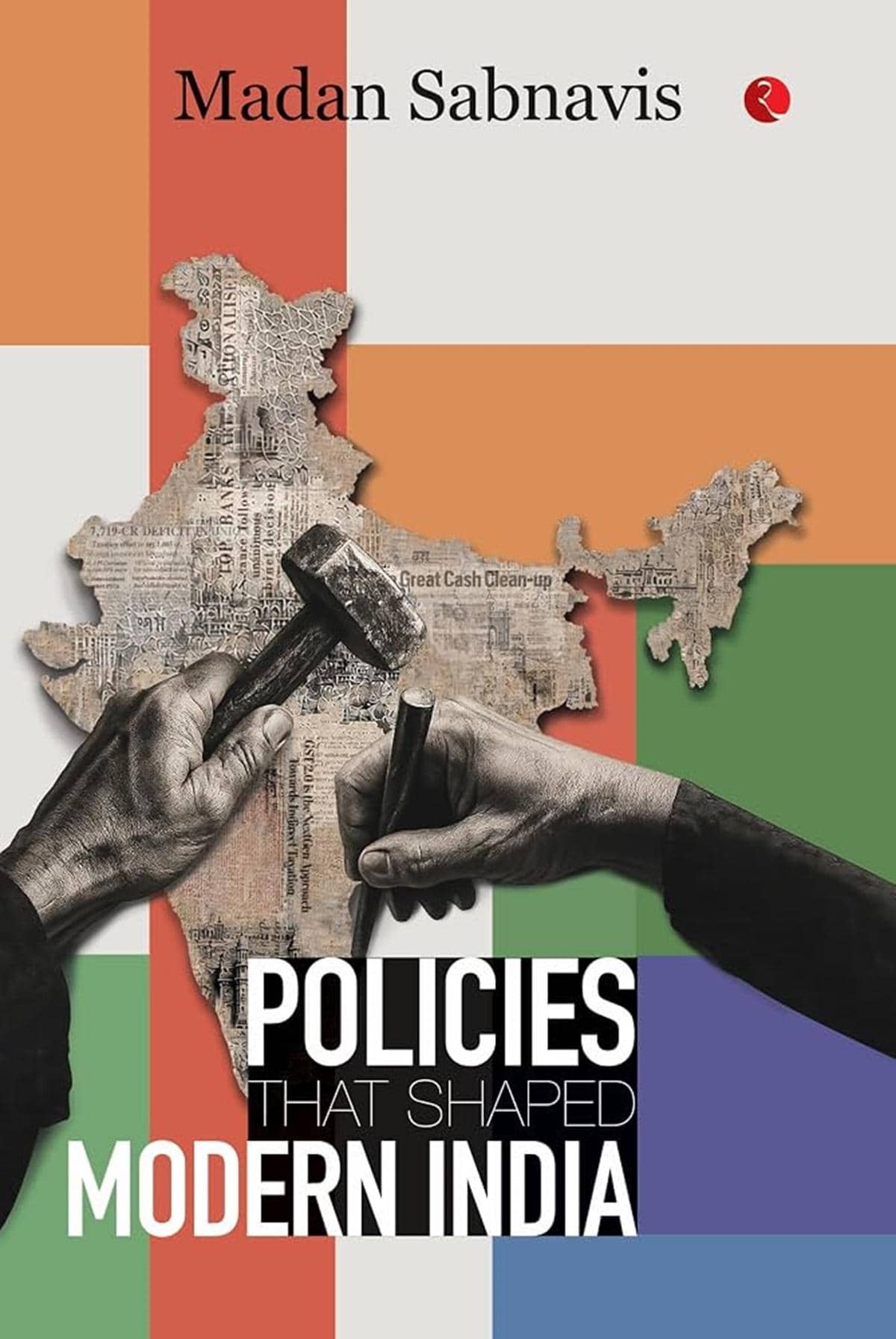
The volume presents a broad chronological survey of India's major economic policy decisions and institutional frameworks established over the past seven decades, offering readers a structured introduction to the subject matter. Its concise treatment of pivotal moments—from the Nehruvian planning era through liberalisation and contemporary reforms—makes it accessible to general audiences seeking foundational knowledge.
However, the work's limited critical examination of policy outcomes and theoretical frameworks has drawn notice from academics and policy analysts. The treatment of how different economic strategies performed, their unintended consequences, and alternative approaches that were considered but rejected receives minimal attention, leaving key questions about policy efficacy inadequately addressed.
Coverage gaps further constrain the book's utility for specialised study. Certain policy domains and regional variations in economic governance receive cursory treatment, while the interaction between political pressures and economic decision-making remains largely unexplored. These omissions suggest the work functions better as an introductory reference than as a comprehensive analytical resource.
For policymakers, students, and economists requiring substantive engagement with India's economic history and institutional evolution, the book may serve as a starting point necessitating supplementary sources for deeper understanding of specific policy areas and their long-term implications.