World · India Bureau
New emissions norms set to reshape India's car pricing landscape
Stricter CAFE-III regulations could incentivise carmakers to launch affordable electric vehicles while pushing prices higher on petrol and diesel models. The weighted sales framework aims to accelerate India's EV transition.
LSN India ·
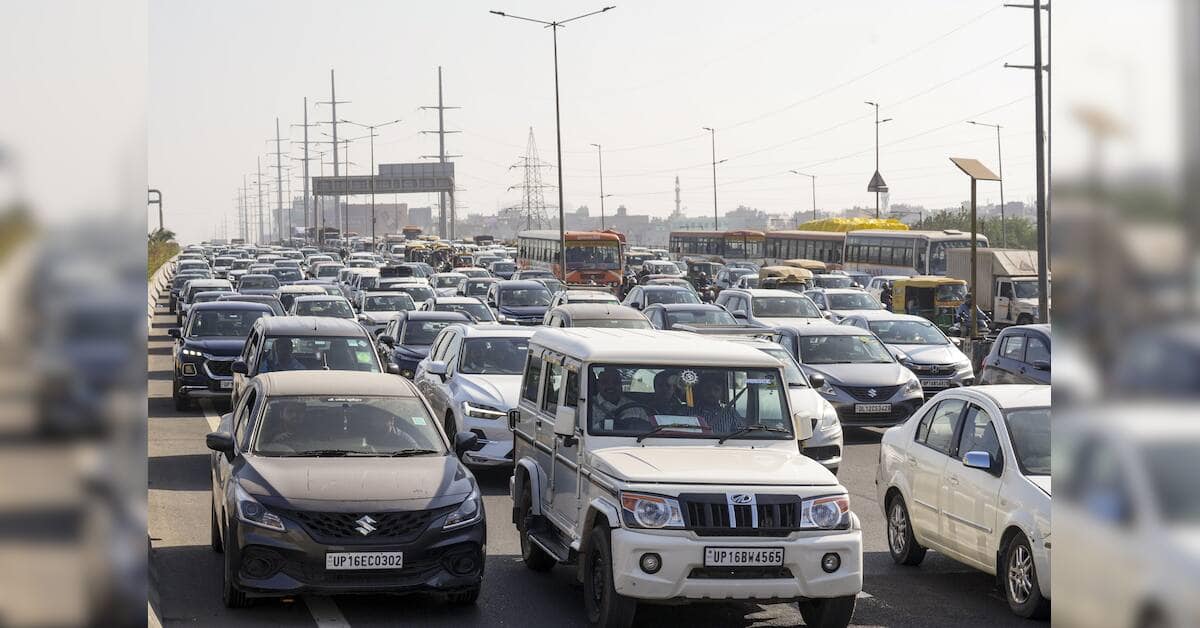
India's forthcoming CAFE-III (Corporate Average Fuel Economy) standards are expected to fundamentally alter vehicle pricing strategies across the automotive sector. The new regulations will assign a threefold sales weightage to battery electric vehicles, creating powerful incentives for manufacturers to develop and promote lower-priced EV options to Indian consumers.
Under the enhanced framework, carmakers will face pressure to meet ambitious emissions reduction targets that make EV manufacturing economically attractive. Industry analysts suggest manufacturers may respond by launching competitively priced battery-powered vehicles to accumulate weighted sales credits, thereby making electric mobility more accessible to middle-income buyers.
Conversely, vehicles powered by conventional petrol and diesel engines—particularly those with higher emissions profiles—are likely to see significant price increases. Manufacturers will use pricing as a mechanism to reduce the sales volume of these models while meeting regulatory compliance, effectively making combustion-engine vehicles a premium category.
The dual-pronged approach reflects regulators' strategy to accelerate India's automotive electrification while maintaining market viability for traditional powertrains during the transition period. Industry observers note this pricing dynamic could reshape consumer purchasing decisions and hasten the market shift toward cleaner technologies across India's competitive automotive landscape.