Business · India Bureau
New England turns invasive green crabs into culinary and economic opportunity
Faced with an ecological threat from invasive green crabs, New England communities are adopting an unconventional response: eating them. The strategy transforms a destructive species into a commercial asset through innovative food products and emerging market opportunities.
LSN India ·
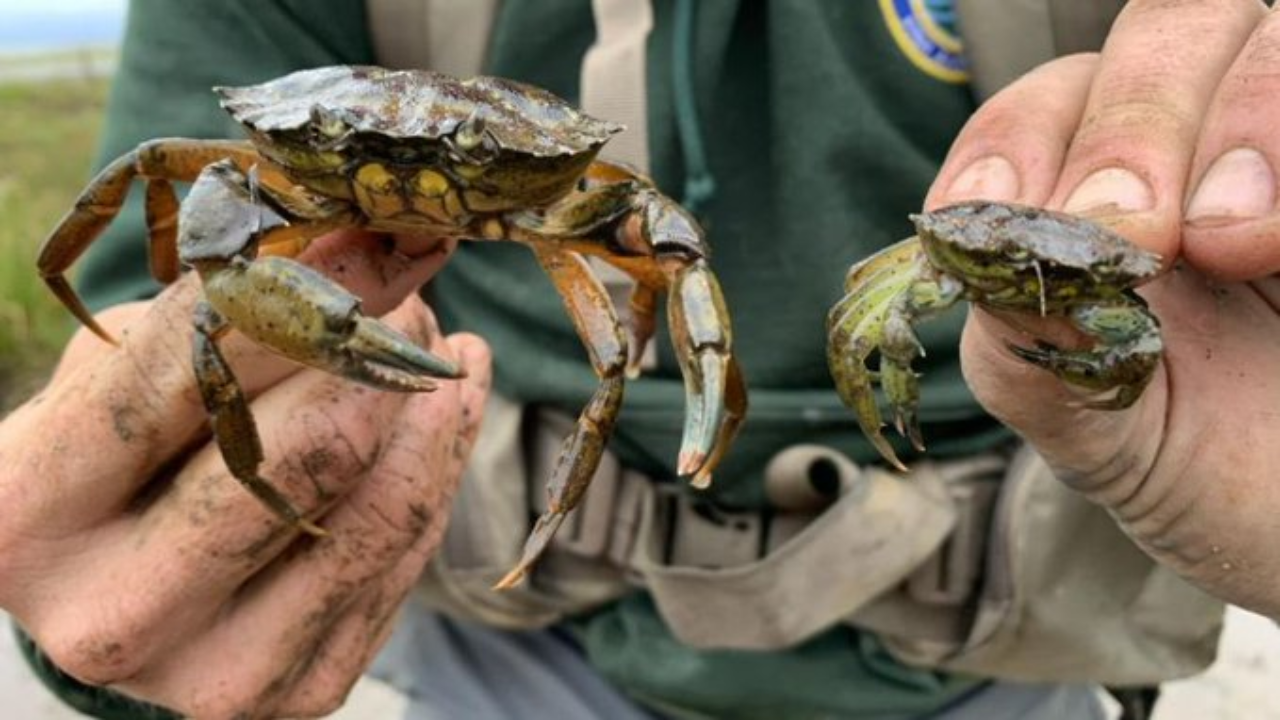
Invasive green crabs have posed a significant environmental challenge for New England's coastal ecosystems, but regional fishermen and entrepreneurs are converting the problem into an economic opportunity. By targeting the soft-shelled crabs during their vulnerable molting phase, harvesters have begun supplying a growing culinary market that treats the species as a premium ingredient rather than a pest.
The emerging commercial interest in green crabs reflects a broader shift in how communities address invasive species. Rather than relying solely on traditional control methods, New England's approach leverages market forces to incentivize removal of the crabs from local waters. Fishermen report improving prices for their catches as demand climbs among restaurants and food producers seeking novel ingredients.
Beyond traditional seafood markets, entrepreneurs are expanding the commercial potential of green crabs into diverse product categories. Pet food manufacturers are incorporating the crabs into animal snacks, while specialty beverage producers are experimenting with whiskey infusions and other value-added products. These alternative markets create multiple revenue streams that reinforce the economic incentive for ongoing harvesting.
The dual-benefit approach demonstrates how ecological management and economic development can align. By making the removal of invasive species financially rewarding, communities create sustainable pressure on the invasive population while generating income for local fishermen and supporting related industries. The strategy remains in its early phases, with continued expansion of markets and product innovation expected to enhance its overall impact on both ecological and economic fronts.