World · India Bureau
New Hampshire Closes Great Bay Waters to Restore Depleted Oyster Reefs
New Hampshire's Fish and Game Department has implemented a five-year closure of 20 acres at Great Bay to support oyster restoration efforts. The measure targets two critical sites as part of a broader initiative to reverse a dramatic 90 percent decline in oyster populations over the past five decades.
LSN India ·
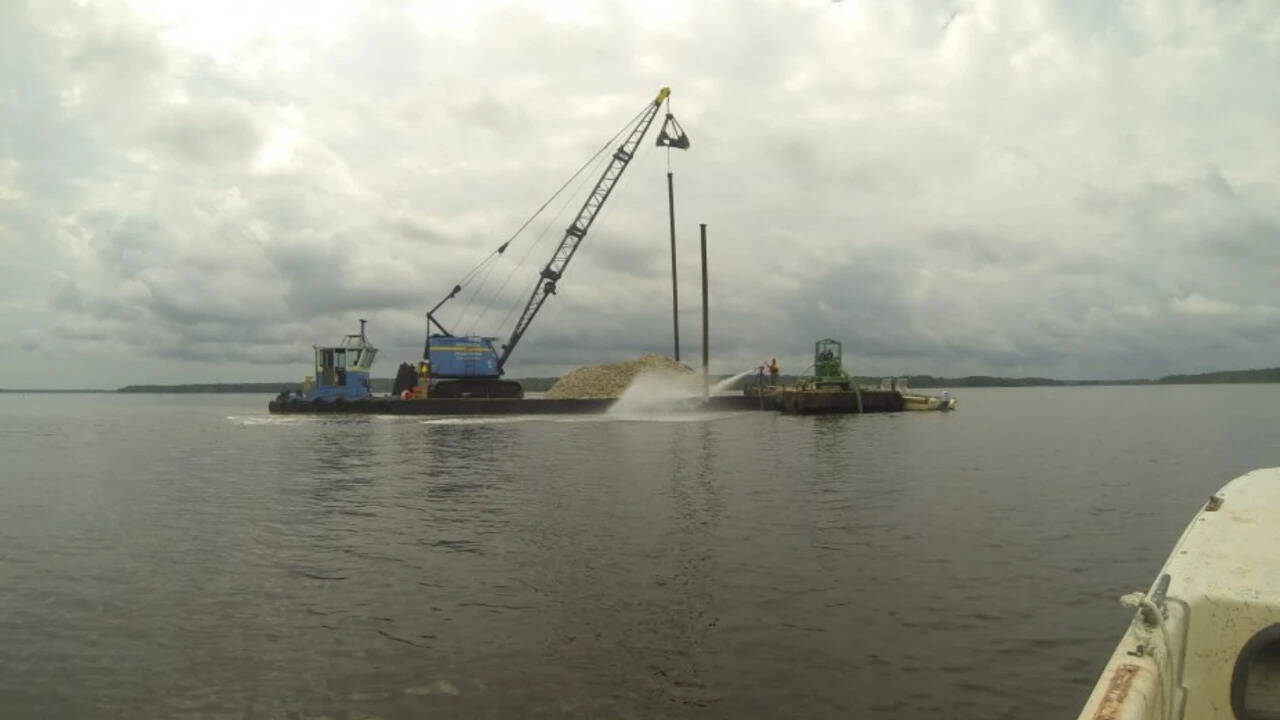
The New Hampshire Fish and Game Department has initiated a five-year moratorium on shellfish harvesting across approximately 20 acres of Great Bay, effective from November 1. The closure encompasses two strategically important areas: one near Woodman Point and another in the vicinity of Nannie Island, both identified as priority zones for ecological restoration.
Oyster populations in Great Bay have experienced a catastrophic decline, with reefs diminished by approximately 90 percent since 1970. This dramatic reduction has severely impacted the marine ecosystem, as oyster reefs play a critical role in water filtration, habitat provision, and overall estuary health. The closure is designed to allow these essential marine structures to regenerate without the pressure of commercial and recreational harvesting.
The restoration initiative represents a collaborative effort between state researchers and conservation organisations working to revitalise oyster populations and rehabilitate degraded marine habitats. By restricting human harvesting in targeted zones, authorities aim to create conditions favourable for oyster population growth and reef expansion. The five-year timeframe is intended to provide sufficient recovery time for measurable ecological improvement.
The measure reflects growing recognition among environmental managers in the region of the necessity to protect and restore shellfish populations that face mounting pressure from harvesting, pollution, and habitat degradation. Success of the Great Bay initiative could serve as a model for similar restoration efforts across other estuaries and coastal areas confronting comparable ecological challenges.