World · India Bureau
New Himalayan Rail Line to Boost Pilgrim Access and Border Infrastructure
A 125-kilometre railway project connecting Rishikesh to Karnaprayag aims to streamline pilgrimage routes to Kedarnath and Badrinath while strengthening India's strategic connectivity to its northern frontier.
LSN India ·
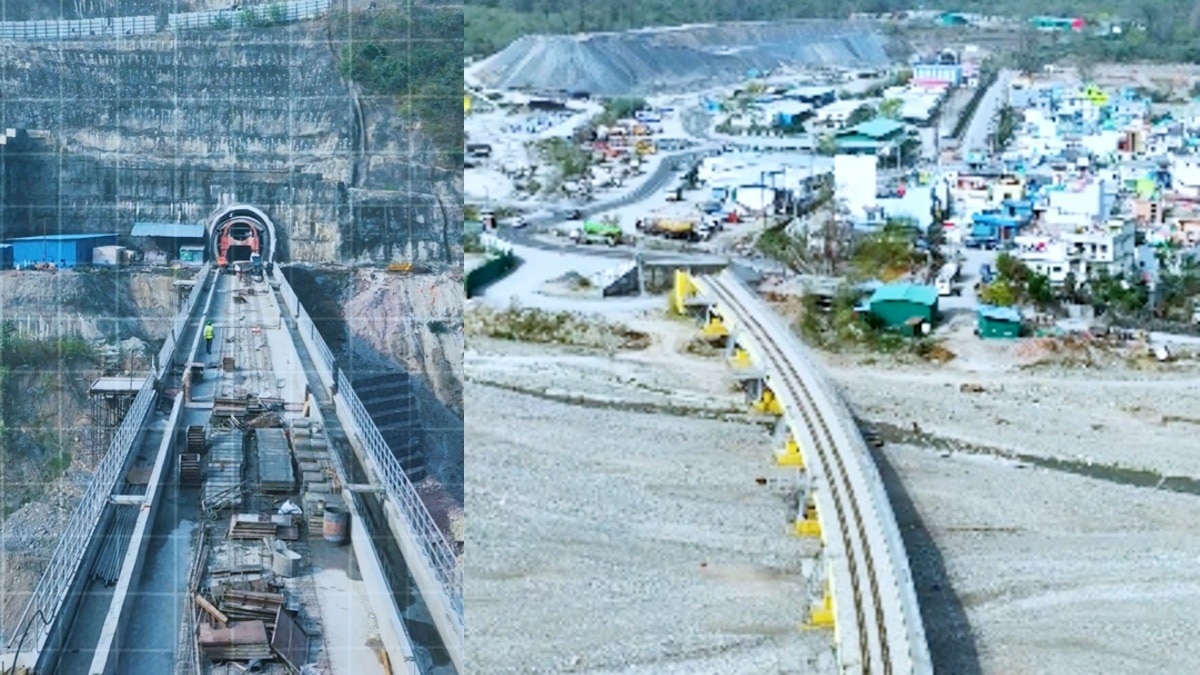
A proposed railway line spanning 125 kilometres through the Himalayan region is expected to enhance accessibility to two of Hinduism's most revered pilgrimage destinations while serving broader strategic objectives in India's border management. The rail corridor, designed to link Rishikesh in Uttarakhand with Karnaprayag, would significantly reduce travel time for devotees visiting the temples of Kedarnath and Badrinath, which collectively attract hundreds of thousands of pilgrims annually.
The project addresses longstanding challenges in the region's connectivity infrastructure. Currently, pilgrims and supplies rely heavily on winding mountain roads that become increasingly difficult during winter months. The railway line would provide year-round access while improving transportation reliability for local communities along the route.
Beyond religious tourism, the rail corridor holds strategic importance for India's defence and border security apparatus. The line would extend India's transportation network closer to the Sino-Indian border, facilitating military logistics and civilian administration in areas that remain geographically remote. Such infrastructure development has become increasingly prioritised as India modernises its presence in border regions.
The project forms part of India's broader initiative to balance economic development with strategic infrastructure in its frontier zones. Similar railway and road projects are underway across the Himalayan states as New Delhi seeks to strengthen both civilian livelihood and security capabilities in areas adjacent to international boundaries.