World · India Bureau
New magnetic mineral discovered in Chinese lunar samples offers Moon history insights
Researchers have identified a previously unknown magnetic mineral in samples collected by China's Chang'e-6 mission, potentially unlocking secrets of the Moon's ancient magnetic field. The discovery within tiny impact-glass particles could reshape understanding of lunar geological history.
LSN India ·
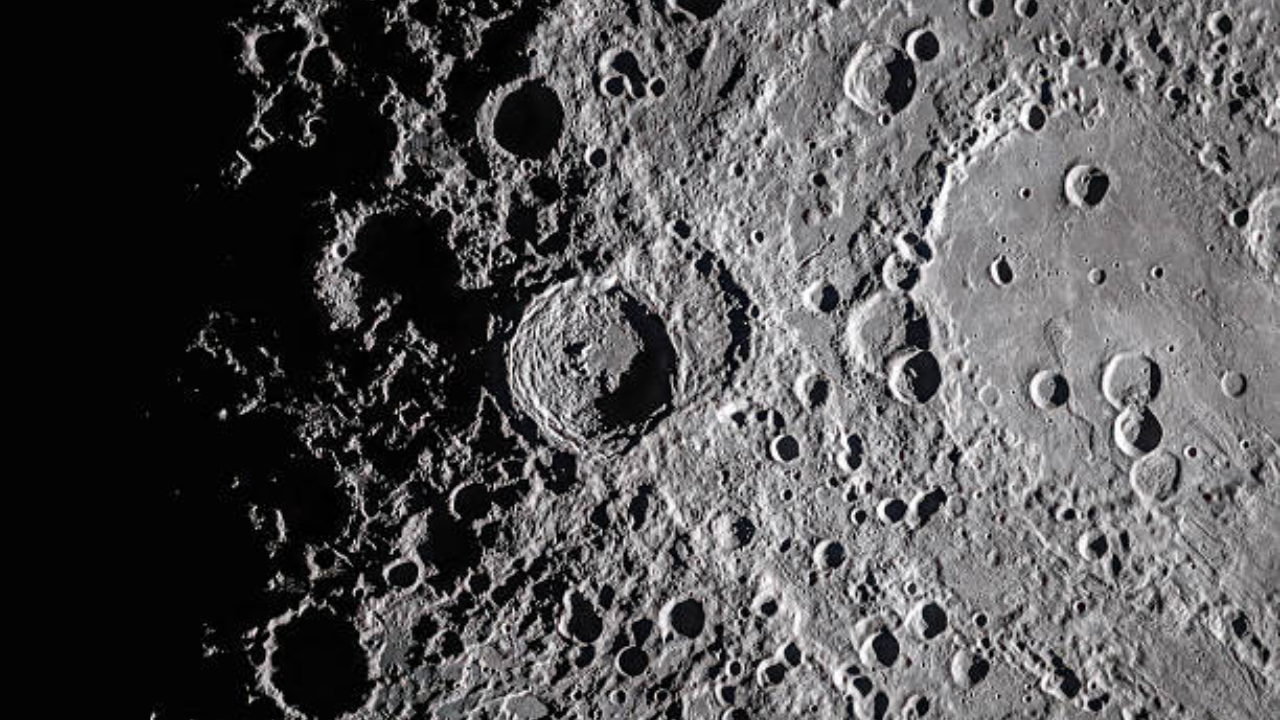
Scientists have made a significant breakthrough in lunar research with the identification of γ-Fe, a new magnetic mineral found in samples returned by China's Chang'e-6 mission. The discovery was made during detailed analysis of microscopic iron particles embedded within lunar impact glasses, offering fresh perspectives on the Moon's long-lost magnetic environment.
The newly identified mineral has demonstrated the ability to maintain stable magnetic signals over extended periods, making it a potentially valuable record of the Moon's historical magnetic activity. This capacity to preserve magnetic information through billions of years could provide researchers with crucial data about conditions that existed on the lunar surface in ancient times.
The Chang'e-6 mission, which successfully returned samples from the Moon's far side, has proven instrumental in advancing lunar science. The analysis of impact-glass particles—created when meteorites strike the lunar surface—has revealed previously unknown mineral compositions that challenge existing models of lunar geology.
The findings are expected to prompt further investigation into how the Moon's magnetic field evolved and eventually diminished. Understanding the mechanisms that allowed the Moon to generate a protective magnetic field in its early history could provide insights into planetary evolution and the conditions necessary for sustaining such fields.