World · India Bureau
New magnetic test offers rapid detection of amoxicillin allergies
Scientists have developed a breakthrough diagnostic tool using magnetic particles that can identify amoxicillin allergies with 98% accuracy. The rapid testing method could transform allergy screening protocols across medical facilities.
LSN India ·
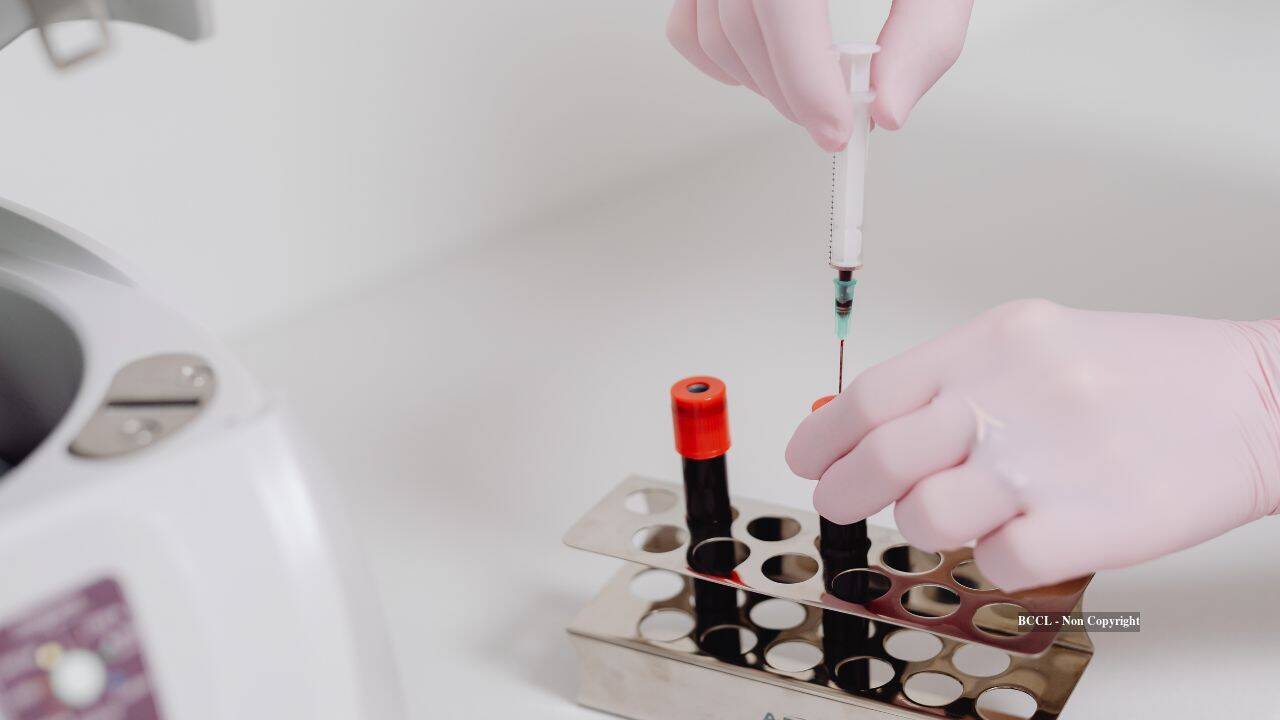
Researchers have unveiled a novel diagnostic technique employing magnetic particles to detect amoxicillin allergies with exceptional precision, potentially revolutionizing how healthcare providers screen patients for penicillin-based antibiotic sensitivities. The test achieves 98% sensitivity, significantly outperforming conventional allergy detection methods currently in use across clinical settings.
Amoxicillin remains one of the most widely prescribed antibiotics globally, yet allergic reactions to the drug pose serious health risks for affected patients. Traditional allergy testing methods often rely on skin prick tests or serum immunoglobulin assays, which can be time-consuming and occasionally inconclusive. The magnetic particle-based approach offers a faster, more reliable alternative for identifying true allergies versus false positives.
The technology leverages magnetic nanoparticles that interact with specific immunological markers associated with amoxicillin sensitivity. When patient samples containing allergy-related antibodies come into contact with the particles, distinct magnetic responses are generated, enabling clinicians to confirm allergy status within hours rather than days. This rapid turnaround is particularly valuable in emergency and acute care settings where treatment decisions cannot be delayed.
The development of this diagnostic tool addresses a significant gap in clinical practice across South and Southeast Asia, where antibiotic use remains high and reliable allergy screening infrastructure varies considerably. Healthcare providers anticipate the technology could reduce unnecessary antibiotic substitutions and improve patient safety by enabling more precise prescribing decisions.