Culture & Entertainment · India Bureau
New theory suggests crabs may have consumed Earhart's remains on remote island
Researchers investigating the disappearance of American aviator Amelia Earhart have proposed a new hypothesis about what may have happened to her remains after she vanished in 1937. The theory suggests that if Earhart survived an initial crash landing on a remote Pacific island, scavenging crabs could have consumed her body.
LSN India ·
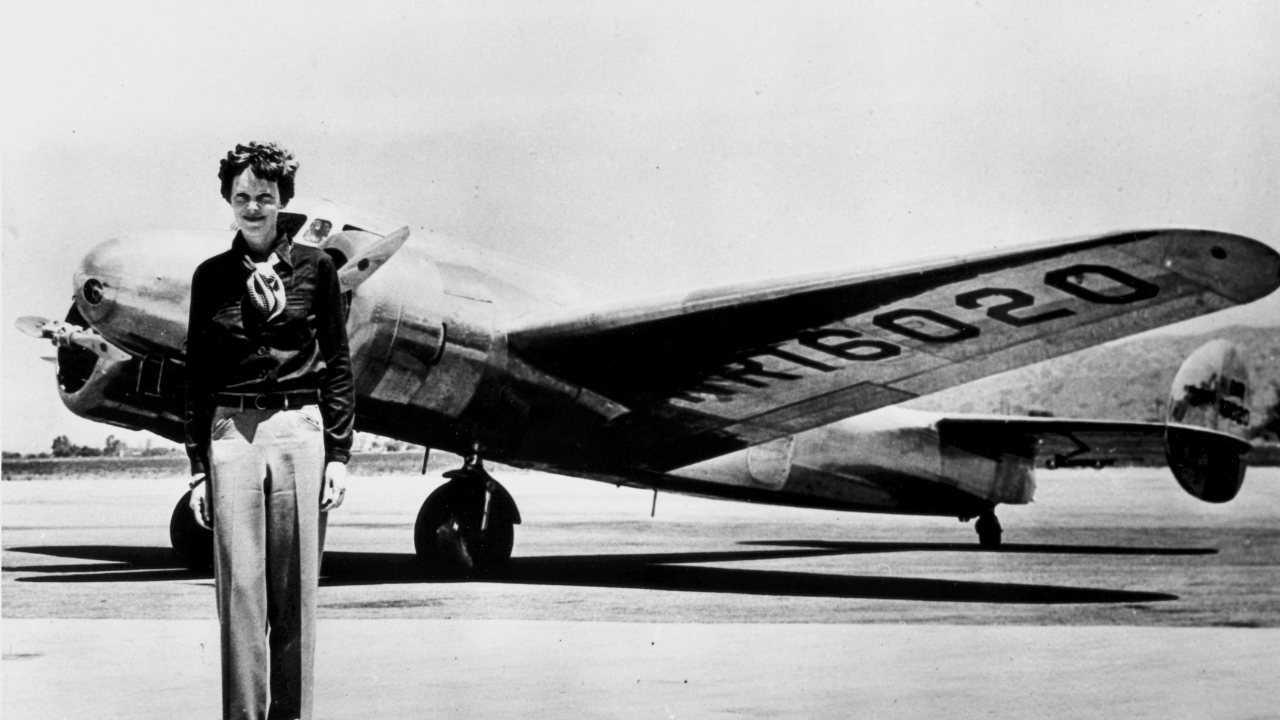
Amelia Earhart, one of aviation's most celebrated pioneers, disappeared during her attempt to circumnavigate the globe in July 1937, leaving behind one of history's most enduring mysteries. For decades, investigators and researchers have pursued various theories about her fate, with most focusing on whether she crashed into the Pacific Ocean or landed on an uninhabited island.
The latest hypothesis to emerge examines the post-crash scenario more closely, proposing that if Earhart did survive an initial landing on a remote atoll, the island's ecosystem may have played a significant role in what happened to her remains. Researchers suggest that large crabs, which inhabit many Pacific islands, could have scavenged human remains over time, potentially explaining the absence of substantial physical evidence that has frustrated investigators for nearly nine decades.
This theory builds on longstanding speculation that Earhart may have landed on Gardner Island, now known as Nikumaroro, in the remote Republic of Kiribati. Previous expeditions to the island have uncovered scattered artifacts that some believe could be linked to Earhart, though definitive proof has remained elusive. The crab scavenging hypothesis adds another dimension to understanding how evidence from such a scenario might have been dispersed or destroyed over the intervening decades.
While this new theory provides a plausible explanation for missing physical evidence, it remains speculative. The mystery of what truly befell Earhart and her navigator Fred Noonan continues to captivate researchers, historians, and aviation enthusiasts worldwide. Ongoing investigations and technological advances in archaeology and forensics may yet provide the conclusive answers that have eluded the world for more than 85 years.