World · India Bureau
New traffic fine appeal rules require 50% deposit before court hearing
Indian traffic authorities have revised procedures for challenging traffic violations, requiring motorists to exhaust administrative appeals before approaching courts. Vehicle owners must now deposit half the fine amount before their case can be heard in court.
LSN India ·
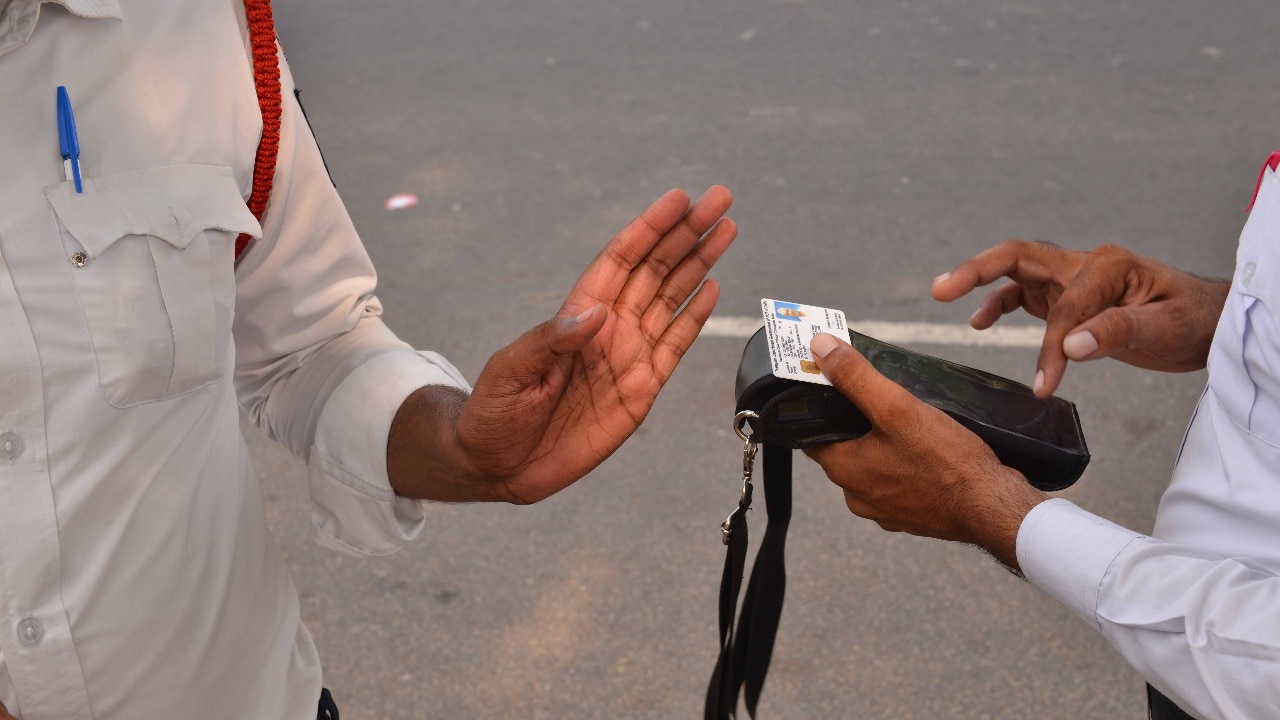
Traffic violation procedures across India have undergone significant changes, with new guidelines requiring drivers to follow a multi-step appeals process before seeking judicial intervention. Under the revised framework, motorists can no longer directly approach courts to contest traffic challans. Instead, they must first file an appeal with the relevant traffic authority, streamlining the initial review of violations.
When a challan is challenged at the administrative level, the concerned officer will examine the case and has the authority to cancel it if found to be issued in error. This ground-level review aims to resolve genuine disputes without requiring court involvement. Only drivers dissatisfied with the officer's decision retain the option to escalate their case to court.
However, the new rules impose a significant financial requirement for court proceedings. Before a case can be heard in court, the motorist must deposit 50 percent of the challan amount. This deposit requirement applies regardless of the violation's merits and serves as a precondition for judicial review. The measure has been designed to discourage frivolous litigation while ensuring earnest appeals reach the bench.
In cases where the traffic challan is ultimately proven incorrect through court proceedings, the deposited amount will be refunded in full to the motorist. The revised procedure represents a shift toward administrative efficiency while maintaining access to judicial remedies for those who believe they have been wrongly cited. The changes aim to reduce court congestion by filtering cases through administrative channels first.